Emerging Synthetic Cannabinoids: Why K2 Effects Can Change From Batch to Batch
New synthetic cannabinoid compounds continue to complicate K2 safety. Learn why effects vary, what warning signs matter, and what to do after a suspected exposure.
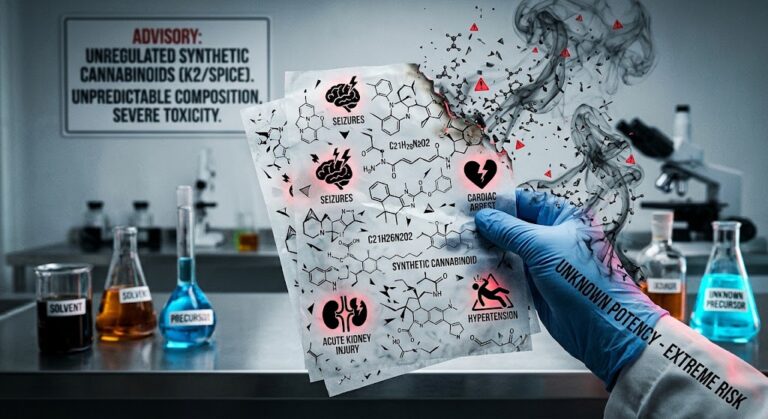
New synthetic cannabinoid compounds continue to complicate K2 safety. Learn why effects vary, what warning signs matter, and what to do after a suspected exposure.

K2-induced psychosis can involve paranoia, hallucinations, confusion, and dangerous behavior. Learn how to recognize warning signs and respond safely.

Proposed changes to federal hemp rules are renewing questions about synthetic cannabinoids, intoxicating hemp products, labeling, testing, and consumer protection. Here is how to interpret the policy debate without confusing hemp-derived products with K2 or Spice.

Synthetic cannabinoid withdrawal can involve sleep disruption, anxiety, irritability, nausea, cravings, and other uncomfortable symptoms. Learn what to watch for and when professional help is important.
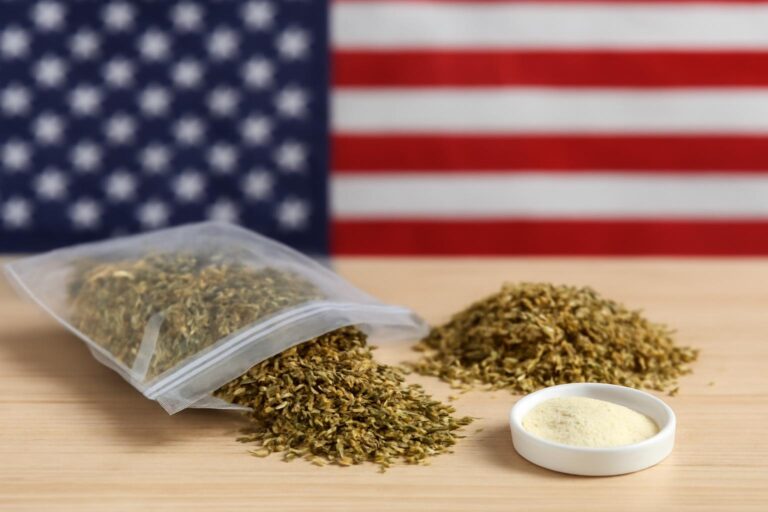
New headlines about hemp-derived THC, cannabis restrictions, and legal highs can make the U.S. drug landscape confusing. Here is how K2 legal status changes affect consumers, retailers, and public health decisions.
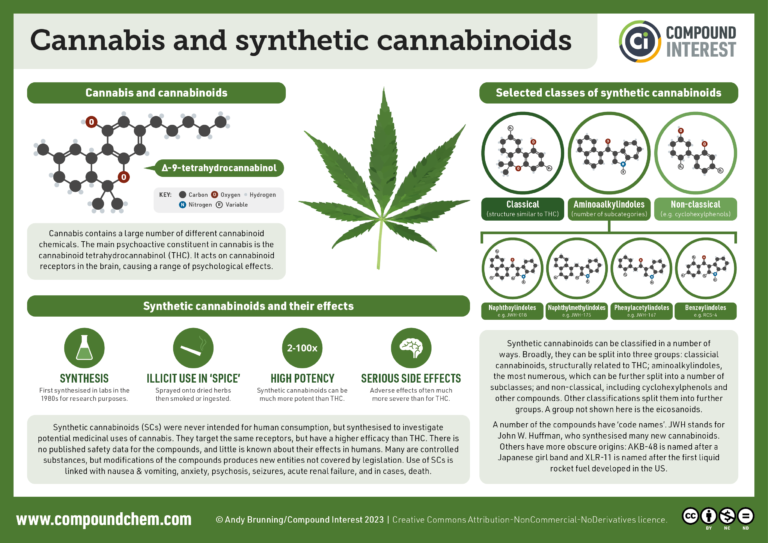
Hemp-derived THC drinks and gummies are receiving renewed attention, but they are not the same as K2 or Spice. Learn how these products differ in chemistry, labeling, effects, legal status, and health risks.

K2 and Spice products can cause severe, unpredictable reactions. Learn the warning signs of a K2 overdose, what to do immediately, and practical ways to prevent further harm.
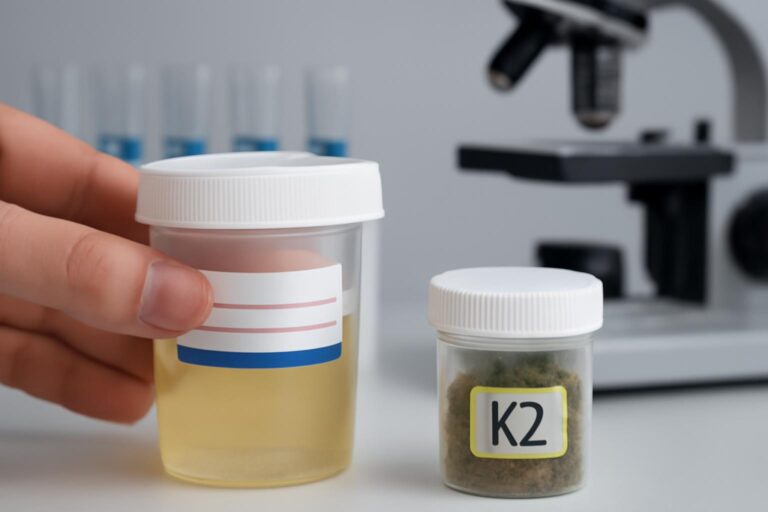
A standard drug panel may not detect K2 or Spice because synthetic cannabinoids are chemically different from THC. Learn how specialized testing works, what affects detection, and why a negative result is not proof of safety.