K2 and Spice in 2026: Why the Federal Hemp Ban Still Leaves Synthetic Cannabinoid Risk Unaddressed
Why the 2026 Hemp Ban Does Not Make K2 or Spice Safer
The first phase of a renewed federal hemp product ban took effect in November 2026, and headlines have understandably focused on what it means for hemp-derived THC products. But a critical distinction is getting lost in the coverage: K2 and Spice are not hemp products. They are synthetic cannabinoids — laboratory-made chemicals sprayed onto plant material or dissolved into liquids — and the new federal hemp rules do not regulate them in the same way.
That gap matters for public health. As regulators tighten rules around legal hemp-derived cannabinoids, consumers may assume that anything sold as “herbal incense,” “potpourri,” or “legal high” is now safer or more clearly regulated. It is not. Understanding the difference between hemp-derived products and synthetic cannabinoids is one of the most important safety steps a U.S. consumer can take in 2026.
This guide explains what the new federal hemp ban covers, why K2 and Spice remain a separate risk category, how synthetic cannabinoid products are marketed, and what practical precautions make sense for adults who encounter these products online or in retail settings.
What the 2026 Federal Hemp Ban Actually Covers
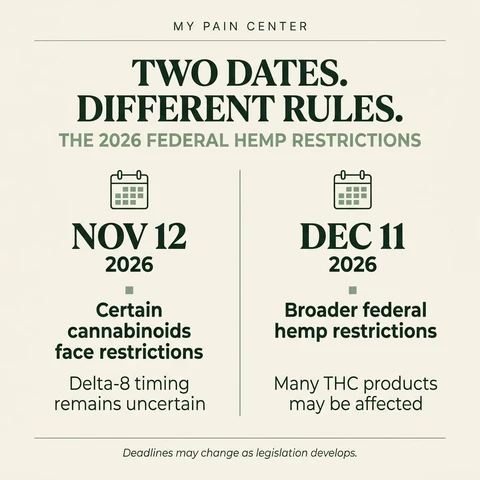
The renewed federal hemp product ban is aimed at intoxicating hemp-derived cannabinoids — compounds such as delta-8 THC and similar substances that became widely available after the 2018 Farm Bill. The rulemaking process has moved in phases, with the first phase taking effect in November 2026 and additional restrictions expected to follow.
Several states have moved faster than the federal government, enacting their own hemp product restrictions ahead of the federal timeline. The result is a patchwork of rules that vary significantly by state, which creates confusion for retailers and consumers alike.
What the ban targets
- Intoxicating hemp-derived cannabinoids sold in gummies, vapes, beverages, and tinctures
- Products marketed with explicit psychoactive claims
- Retail and online sales channels that distribute hemp-derived intoxicants
What the ban does not solve
- Synthetic cannabinoids such as K2 and Spice, which are structurally different from hemp-derived compounds
- Products sold under the guise of “herbal incense” or “research chemicals”
- Unregulated imports and gray-market online storefronts
In other words, the hemp ban addresses a legitimate regulatory problem, but it is not a synthetic cannabinoid law. Treating it as one creates a false sense of security.
K2 and Spice: A Separate Chemical Category
Synthetic cannabinoids are a large and evolving family of chemicals designed to bind to cannabinoid receptors in the body. Unlike THC, which is a naturally occurring compound with a long history of study, synthetic cannabinoids are created in laboratories and are frequently modified to stay ahead of drug laws.
This is why the chemical composition of a product labeled “K2” or “Spice” can change dramatically from batch to batch — and even within what appears to be the same brand. A package bought in one city may contain a completely different compound than an identically labeled package bought elsewhere.
Why batch variability is dangerous
Because the active chemicals vary and potency is rarely disclosed, users cannot reliably predict effects. Reported risks associated with synthetic cannabinoid use include severe agitation, rapid heart rate, vomiting, seizures, kidney injury, and psychiatric symptoms such as psychosis. Public health agencies have documented clusters of severe illness linked to specific batches, which is consistent with the batch-to-batch variability problem.
For a deeper look at how these compounds affect the body, see our overview of what K2 is and how to stay safe from K2.
How Synthetic Cannabinoids Are Marketed in 2026
One reason K2 and Spice remain a persistent public health issue is that they are often sold under labels that sound benign or even artisanal. Common marketing terms include:
- Herbal incense and resin herbal incense
- Potpourri and herbal blends
- “Legal high” products
- Research chemicals and research chemical shop listings
- Liquid herbal incense and spray products
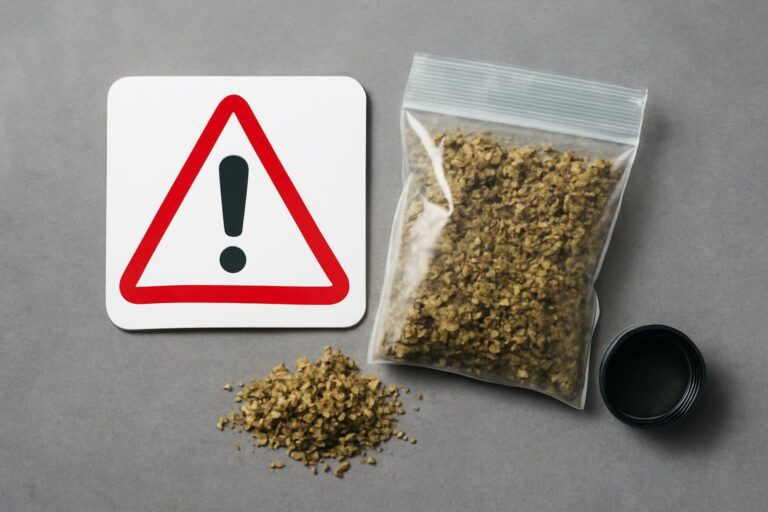
These terms are designed to create plausible deniability for sellers. In practice, the products are often intended for intoxication despite “not for human consumption” disclaimers. Consumers should treat any product marketed with these phrases — especially when sold alongside smoking accessories and rolling papers — with significant caution.
For context on how these products are positioned in retail environments, our guide to where fake weed is sold explains the common channels and red flags.
Why the Hemp Ban Could Increase Confusion
There is a real risk that the hemp ban will push some consumers toward synthetic products rather than away from them. When legal hemp-derived options become harder to find, less-informed consumers may turn to gray-market alternatives that are marketed as similar but are chemically unrelated.
This is a pattern public health researchers have warned about in other regulatory contexts: restricting one category without robust education about adjacent categories can shift demand rather than reduce it. The lesson for 2026 is that regulation and education must move together.
What consumers should understand
- A product being legal or available does not mean it is safe
- “Herbal” and “natural” labels say nothing about chemical content
- Synthetic cannabinoids are not interchangeable with hemp-derived THC
- Potency and composition are often unknown, even to the seller
For a broader discussion of how policy changes interact with synthetic cannabinoid risk, see our analysis of K2 and Spice policy and safety coverage.
Practical Safety Steps for U.S. Consumers
If you encounter products marketed as herbal incense, legal highs, or research chemicals, the safest approach is straightforward: avoid them. There is no reliable way to verify the chemical content or potency of an unregulated synthetic cannabinoid product from its packaging alone.
If you or someone else may have been exposed
- Call Poison Control at 1-800-222-1222 for guidance
- Seek emergency care for severe symptoms such as seizures, chest pain, or extreme agitation
- Do not attempt to “wait it out” if symptoms are escalating
- Keep the product packaging, if available, for medical staff
If you are a retailer or headshop operator
- Verify supplier documentation and product composition claims
- Understand your state’s specific rules, which may differ from federal guidance
- Train staff to recognize synthetic cannabinoid marketing language
- Document compliance efforts in case of inspection
For additional context on product categories and how they are presented, our product catalog overview illustrates the range of items sold in this space and why clear labeling matters.
The Bottom Line on K2 and Spice in 2026
The 2026 federal hemp ban is a meaningful regulatory development, but it is not a synthetic cannabinoid solution. K2 and Spice remain a distinct chemical category with serious and well-documented health risks, and they are not made safer by rules targeting hemp-derived THC.
The most reliable protection is education: knowing the difference between hemp-derived products and synthetic cannabinoids, recognizing common marketing terms, and treating unregulated products with appropriate caution. As regulations continue to evolve at both the state and federal level, consumers who understand these distinctions will be better positioned to make informed decisions.
Frequently Asked Questions
Does the 2026 federal hemp ban make K2 or Spice illegal?
The hemp ban targets intoxicating hemp-derived cannabinoids, not synthetic cannabinoids like K2 and Spice. Synthetic cannabinoids are addressed under separate drug laws, which vary by jurisdiction. The ban does not create new protections against synthetic cannabinoid products.
Is K2 the same thing as hemp-derived THC?
No. Hemp-derived THC is a naturally occurring cannabinoid. K2 and Spice contain synthetic cannabinoids — laboratory-made chemicals that may be far more potent and unpredictable. They are chemically and legally distinct categories.
Why do synthetic cannabinoid products change from batch to batch?
Manufacturers frequently alter chemical formulations to stay ahead of regulations and to manage supply. Because there is no reliable quality control, the active compounds and their potency can vary significantly between batches, which increases health risks.
What should I do if someone has a bad reaction to a product labeled herbal incense?
Call Poison Control at 1-800-222-1222 or seek emergency medical care immediately. Severe symptoms such as seizures, extreme agitation, chest pain, or difficulty breathing require urgent attention. Bring the product packaging to medical staff if possible.
Are “research chemicals” sold online safe to use?
Products sold as research chemicals are not intended for human consumption and are typically not tested for safety. Their composition and potency are often unknown. Treat them as unregulated and potentially hazardous.