Synthetic Cannabinoid Regulation in 2026: What the New Federal Hemp Ban Means for K2 and Spice Risk
Why 2026 Is a Pivotal Year for Cannabinoid Policy
In late 2026, the United States entered a new phase of cannabinoid regulation. A federal hemp product ban began taking effect in phases, with the first provisions arriving in November and a broader ban scheduled for December 11. The rules target hemp-derived products containing “unnatural” cannabinoids — compounds such as THC-O and other synthetically modified hemp derivatives — and have already prompted states to act ahead of the federal timeline.
For anyone who follows synthetic cannabinoid policy, this is a critical moment. But it is also a moment of widespread confusion. Many headlines blur the line between hemp-derived products and synthetic cannabinoids like K2 and Spice. They are not the same thing, and the new hemp rules do not address the core dangers of synthetic cannabinoid drugs. Understanding the distinction is essential for consumers, retailers, and public health advocates alike.
This article breaks down what the 2026 federal hemp ban actually covers, why synthetic cannabinoids remain a separate and serious risk, and what the latest enforcement and health signals tell us about the road ahead.
What the 2026 Federal Hemp Ban Actually Covers
The federal hemp ban is best understood as a regulatory tightening of the legal hemp market, not a crackdown on illicit synthetic drugs. The rules focus on hemp-derived cannabinoids that are chemically altered or “unnatural” — meaning they do not occur naturally in the cannabis plant in the form they are sold. THC-O is a commonly cited example. The intent is to close loopholes that allowed intoxicating hemp products to proliferate under the 2018 Farm Bill framework.
Enforcement began in stages. As reported in November 2026, some states moved quickly to implement their own restrictions ahead of the federal deadline, while industry groups pushed Congress for a regulatory alternative. A bipartisan Senate bill was introduced to replace the blanket THC ban with a federal regulatory framework, signaling that the policy debate is far from settled.
What the ban does not do is address synthetic cannabinoids such as K2 and Spice. Those substances were never legal hemp products. They are illicit drugs, often sprayed onto plant material or paper, and they operate in a completely different legal and health context. Conflating the two creates dangerous misconceptions — including the false idea that the hemp ban somehow makes synthetic cannabinoids safer or more regulated.
For a deeper look at how the hemp ban intersects with synthetic cannabinoid risk, see our analysis of what K2 is and how to stay safe.
K2 and Spice: A Separate Category of Risk
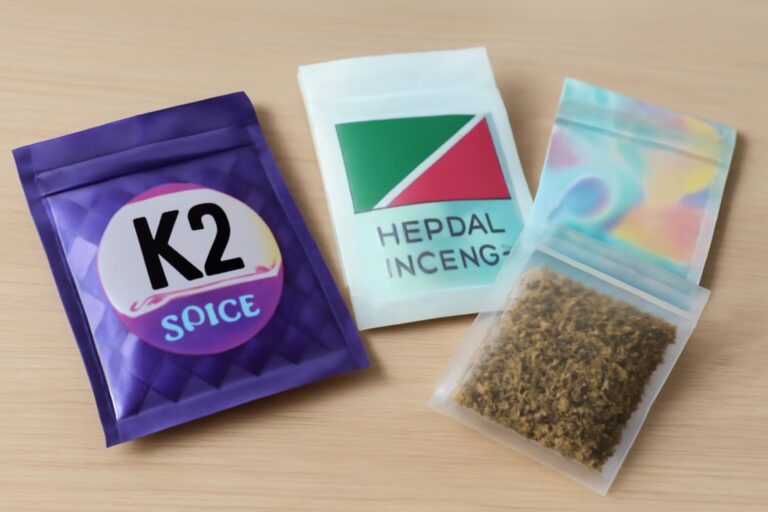
Synthetic cannabinoids are lab-made chemicals designed to mimic the effects of THC, but they are far more potent and unpredictable. They are sold under many names — K2, Spice, fake weed, herbal incense — and their chemical composition changes constantly to evade detection and regulation. This is why batch-to-batch variability is such a serious problem: a product that produced mild effects last month may cause severe reactions this month.
The health risks are well documented. Synthetic cannabinoids have been linked to seizures, psychosis, rapid heart rate, kidney injury, and in some cases death. Because the chemicals are not standardized, users cannot know what they are actually consuming. Emergency departments across the country continue to report clusters of severe reactions tied to synthetic cannabinoid use.
Recent enforcement activity underscores that this market remains active. In November 2026, authorities in Daviess County, Kentucky, arrested two people after searching homes in connection with a suspected synthetic marijuana operation. Similar cases continue to surface nationwide. These are not hemp products; they are illicit synthetic drugs, and they remain illegal under federal and state law.
For a closer look at how synthetic cannabinoids affect the body, see our guide to what chemicals are in synthetic K2.
Why the Hemp Ban Does Not Make K2 Safer
A common misconception is that cracking down on hemp-derived cannabinoids will somehow reduce the danger of synthetic cannabinoids. In reality, the two markets operate under different incentives. The hemp ban targets legal, regulated products. Synthetic cannabinoids are already illegal and are produced and sold through illicit channels. Tightening hemp rules does not remove synthetic cannabinoids from the street; if anything, confusion about what is legal can push some users toward riskier alternatives.
Public health experts have repeatedly warned that prohibition-style policies can have unintended consequences. When legal alternatives are restricted, demand does not disappear — it shifts. For people who use cannabinoids, the shift may be toward unregulated products with unknown contents. That is precisely the environment in which synthetic cannabinoids thrive.
This is why education matters as much as enforcement. Consumers need clear, accurate information about what synthetic cannabinoids are, how they differ from hemp-derived products, and why the risks are so severe. Retailers and community organizations also play a role in spreading accurate information and reducing harm.
Enforcement Trends: What Recent Cases Reveal
Enforcement data from 2026 paints a picture of a persistent synthetic cannabinoid market. International operations targeting dark web drug trafficking have resulted in hundreds of arrests and significant seizures, including synthetic substances. Domestic cases, such as the Kentucky operation, show that local distribution networks remain active.
These cases matter for several reasons. First, they confirm that synthetic cannabinoids are not a relic of the past — they remain a live public health and public safety issue. Second, they highlight the complexity of supply chains, which often cross state and national borders. Third, they demonstrate that law enforcement alone cannot solve the problem; prevention, treatment, and education are essential complements.
For readers interested in the broader regulatory landscape, our overview of where fake weed is sold provides context on how these products reach consumers.
What Consumers Should Know About Labeling and Legal Status
One of the most confusing aspects of the current market is labeling. Products sold as “herbal incense” or “potpourri” are often labeled “not for human consumption,” yet they are marketed in ways that suggest otherwise. This labeling tactic is designed to skirt regulations, but it does not change the legal or health reality. Synthetic cannabinoids are illegal, and possessing or selling them can carry serious legal consequences.
Consumers should be skeptical of any product that promises cannabis-like effects without clear, verifiable ingredient information. Legitimate hemp-derived products are subject to testing and labeling requirements; illicit synthetic products are not. If a product’s contents are unclear, the safest assumption is that it is not safe.
For a detailed breakdown of how synthetic cannabinoids are made and why their contents are unpredictable, see our article on how K2 paper is made.
The Road Ahead: Policy, Public Health, and Personal Responsibility
The 2026 hemp ban is a significant policy shift, but it is not a solution to the synthetic cannabinoid problem. Real progress requires a multi-pronged approach: clear regulation of legal cannabinoid products, robust enforcement against illicit synthetic drugs, accessible treatment and harm reduction services, and honest public education.
For individuals, the most important takeaway is that synthetic cannabinoids are inherently unpredictable and dangerous. No regulatory change alters that fact. If you or someone you know is struggling with substance use, professional help is available and effective. Community health centers, addiction hotlines, and healthcare providers can offer guidance and support.
As the policy landscape continues to evolve, staying informed is essential. The distinction between hemp-derived products and synthetic cannabinoids is not just a legal technicality — it is a matter of health and safety. Understanding that distinction is the first step toward making safer choices.
Frequently Asked Questions
Does the 2026 federal hemp ban make K2 or Spice legal?
No. K2 and Spice are synthetic cannabinoids and remain illegal under federal and state law. The hemp ban targets certain hemp-derived products; it does not legalize or regulate synthetic cannabinoids.
Are synthetic cannabinoids the same as hemp-derived THC?
No. Hemp-derived THC products are made from the cannabis plant and are subject to varying state and federal rules. Synthetic cannabinoids are lab-made chemicals that are far more potent and unpredictable, and they are not derived from hemp in any regulated sense.
Why are synthetic cannabinoids so dangerous?
Their chemical composition varies from batch to batch, they are often far more potent than THC, and they can cause severe cardiovascular, neurological, and psychological effects. Because they are unregulated, users cannot know what they are consuming.
What should I do if I encounter a product labeled “herbal incense” or “not for human consumption”?
Treat it with extreme caution. These labels are often used to market synthetic cannabinoids. Do not assume the product is safe or legal. If you have questions about a specific product, consult a healthcare professional or local authorities.
Where can I learn more about synthetic cannabinoid risks?
Reputable sources include the CDC, NIH, and local health departments. Our site also offers educational resources on K2 safety and related topics.