Synthetic Cannabinoid Product Labels: How to Read K2 and Spice Packaging Safely
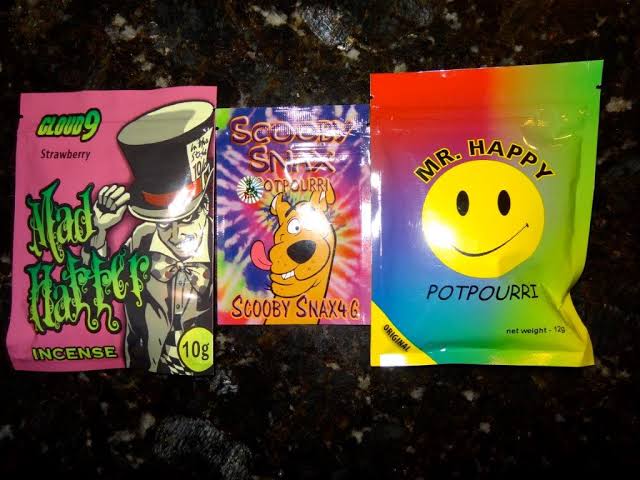
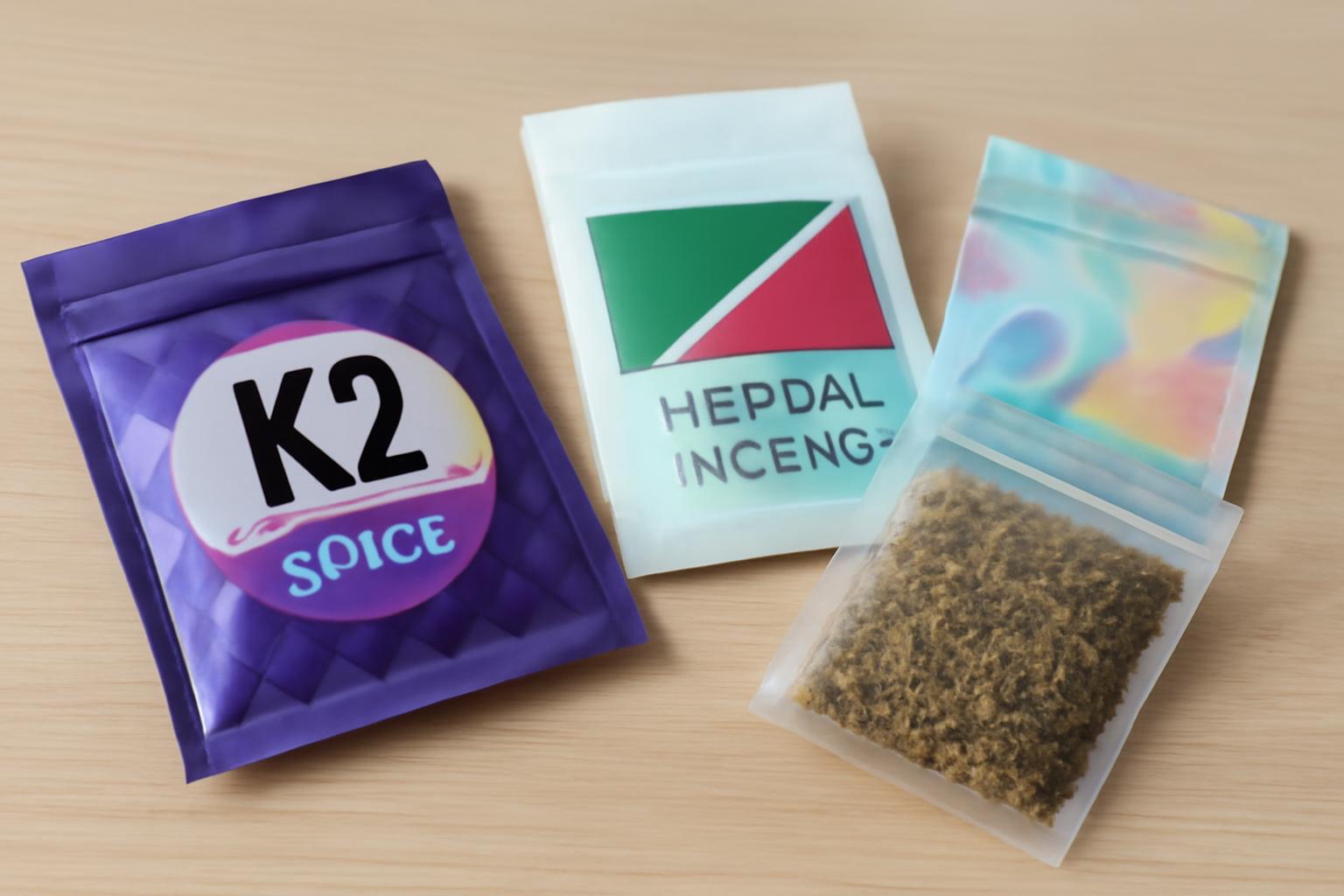
Synthetic cannabinoid product labels can create a false sense of certainty. A package may use polished graphics, familiar plant names, or phrases such as “herbal incense,” “potpourri,” or “not for human consumption,” yet those words do not reliably identify the chemicals inside. In the United States, products sold under names such as K2, Spice, fake weed, or legal highs can vary dramatically from one package to the next.
This article is an evergreen educational guide, not a product recommendation or a claim about current enforcement activity. The central safety principle is simple: packaging cannot confirm that a synthetic cannabinoid product is predictable, legal, or safe to use.
Why synthetic cannabinoid labels are difficult to trust
Unlike regulated medicines, many illicit or gray-market synthetic cannabinoid products do not have a dependable system of batch testing, standardized dosing, or verified ingredient disclosure. The same brand name may appear on products containing different compounds, and two packages with similar artwork may have completely different strengths.
Manufacturers and sellers may also change labels quickly to avoid restrictions, appeal to a new market, or make a product appear unrelated to a previously identified substance. As a result, the name on the front of a package is usually a marketing identifier rather than a chemical description.
For background on the substances commonly associated with K2, review this site’s educational explanation of what chemicals are synthetic K2. Even a detailed label review cannot replace laboratory analysis performed by a qualified facility.
What common label terms really mean
“Herbal incense” or “potpourri”
These terms describe the stated retail category, not the pharmacology of a product. Some packages contain dried plant material, while others may contain plant material treated with one or more synthetic cannabinoid compounds. The wording is often used to separate the item from products marketed for consumption.
A label that calls something incense does not prove that it is ordinary aromatic material. It also does not establish that the product is free from psychoactive chemicals, contaminants, or uneven application.
“Not for human consumption”
This disclaimer is a legal and marketing statement, not a safety certification. It may appear on products that consumers nevertheless inhale, smoke, vaporize, or ingest. The disclaimer does not reveal the actual ingredients, concentration, route-specific risks, or possible interactions with prescription medicines.
“Natural,” “botanical,” or “plant-based”
Natural-sounding language can be misleading. A plant-based carrier does not mean that the active compound is natural, mild, or well understood. Synthetic cannabinoids are laboratory-made substances that can act strongly on cannabinoid receptors, sometimes with effects that differ substantially from traditional cannabis.
“Premium,” “extra strong,” or strain-style names
Names such as “Citrus,” “Kush,” “OG,” or “Pineapple” may suggest flavor or branding rather than a verified chemical profile. Terms like “premium” and “extra strong” are especially important warning signs because potency may not be measured consistently. A stronger product can increase the chance of severe anxiety, confusion, loss of consciousness, seizures, or other medical complications.
Five label details worth checking
1. A complete ingredient list
Look for specific chemical names rather than vague references to “proprietary herbs,” “research compounds,” or “natural extracts.” However, even a specific ingredient list should not automatically be considered accurate. Unregulated products may be mislabeled, incomplete, or outdated.
Names that include unfamiliar abbreviations, “-ICA,” “-FUB,” “-PINACA,” or other technical identifiers may indicate a synthetic cannabinoid or related research chemical, but consumers should not attempt to infer safety from the name alone. A compound can be active at a very small amount, and the health profile of a newly encountered analog may be poorly understood.
2. Batch or lot information
A batch number, manufacturing date, expiration date, and traceable business address are useful indicators of accountability. Their presence does not prove that a product is safe, but their absence makes it more difficult to investigate an adverse event or connect a package to laboratory findings.
Be cautious when a label includes a batch number that cannot be verified, uses the same number across unrelated products, or offers no way to identify the manufacturer. Keep the original packaging if an exposure occurs; it may help clinicians, poison specialists, or public health investigators.
3. Testing claims
Words such as “lab tested,” “third-party tested,” or “clean” are meaningful only when supported by a current certificate of analysis from an identifiable laboratory. A useful report should show the tested sample, date, analytical method, detected compounds, and limits of detection.
A logo, QR code, or downloadable file is not proof by itself. QR codes can lead to generic pages, copied documents, or reports for a different product. Testing one sample also cannot guarantee that every package from the same brand or batch has the same contents.
4. Directions and route of exposure
Instructions that encourage smoking, vaping, spraying, soaking, or mixing a product are a serious safety concern. They can indicate that the material is intended for psychoactive use despite a disclaimer on the front. They may also encourage routes of administration that make dose control difficult.
Do not treat online instructions for preparing infused paper, liquid sprays, or concentrated powders as reliable safety guidance. Making or altering synthetic cannabinoid products can create uneven concentrations and expose people to chemicals through the skin, lungs, or accidental ingestion.
5. Contact and recall information
Responsible packaging should provide a legitimate contact method, clear storage instructions, and a way to report a problem. Vague contact details, disposable email addresses, contradictory company names, or constantly changing packaging are red flags.
Consumers should also be cautious about labels that promise guaranteed effects, claim to be “undetectable,” or suggest that a product is safe because it is sold online or in a headshop. Retail availability is not the same as regulatory approval.
What labels cannot tell you
Even a professional-looking package usually cannot answer several critical questions:
- Which active compound is present?
- How much active material is in each gram, pouch, paper, or liquid volume?
- Is the chemical distributed evenly throughout the product?
- Are there contaminants, solvents, heavy metals, pesticides, or other drugs?
- Has the compound changed during storage, heating, or exposure to light?
- Could the product interact with alcohol, opioids, stimulants, antidepressants, or other medicines?
This uncertainty explains why effects can change from batch to batch. One person may experience agitation or panic, while another may develop extreme drowsiness, hallucinations, vomiting, rapid heartbeat, or a seizure after using a product sold under the same name.
Red flags on K2 and Spice packaging
Several warning signs should prompt a person to avoid handling or using a product:
- No ingredient list or only broad terms such as “proprietary blend.”
- Claims that the product is legal everywhere or risk-free.
- Instructions to spray, soak, heat, or combine materials.
- Promises of an intense or guaranteed high.
- No batch number, manufacturer, or traceable contact information.
- Testing claims without a verifiable laboratory report.
- Packaging that resembles candy, snacks, drinks, or familiar consumer products.
- Labels that conflict with the seller’s online description.
- Products sold in unmarked bags, unlabeled bottles, or improvised containers.
These signs do not identify a particular chemical. They indicate that the contents and concentration cannot be confidently verified.
How to handle an unknown product safely
If you find an unfamiliar K2, Spice, or synthetic cannabinoid product, avoid tasting it, smelling it closely, burning it, or testing it on yourself or another person. Do not mix it with cannabis, alcohol, prescription medication, kratom, stimulants, or sedatives. Keep it away from children and pets, and avoid unnecessary skin contact.
If powder or liquid gets on the skin, remove contaminated clothing and rinse the affected area with running water. If it enters the eyes, flush with clean water and seek medical advice. Do not induce vomiting after a possible ingestion unless a medical professional specifically instructs you to do so.
For a broader overview of warning signs and practical precautions, see what K2 is and how to stay safe from K2. Product pages, reviews, and customer comments should not be treated as substitutes for clinical or laboratory information.
Recognizing a possible synthetic cannabinoid emergency
Call 911 immediately if someone has trouble breathing, collapses, cannot be awakened, has a seizure, develops severe chest pain, becomes dangerously agitated, or appears to be losing touch with reality. Do not leave the person alone or attempt to restrain them unless there is an immediate danger.
Move bystanders and sharp objects away, place an unconscious but breathing person on their side, and provide responders with the package or a photograph of the label if it can be done safely. Do not make the person vomit or give them food, alcohol, or other drugs.
In the United States, Poison Control can be reached at 1-800-222-1222. Poison specialists can provide immediate guidance about inhalation, ingestion, skin exposure, and possible interactions. Call 911 first for life-threatening symptoms.
Why reviews and branding are limited safety tools
Online reviews may describe appearance, smell, packaging, or subjective effects, but they cannot confirm chemical identity or dose. A favorable review may reflect one batch that differs from the next. Likewise, a professional storefront can carry products whose contents have not been independently verified.
When evaluating any seller or product discussion, focus on transparency rather than hype. Look for clear disclaimers, consistent labeling, responsible age restrictions, no instructions for misuse, and a willingness to discuss uncertainty. You can also explore Incense High reviews as part of general site navigation, while remembering that reviews are not laboratory results or medical advice.
Frequently asked questions
Can you identify K2 by its label?
No. A label may provide clues, but it cannot reliably confirm the chemical contents, concentration, or contamination status of a synthetic cannabinoid product. Laboratory analysis is required for meaningful identification.
Does “herbal incense” mean a product is safe?
No. “Herbal incense” describes a marketing category. It does not establish that a product contains only herbs or that it is safe to inhale, smoke, vape, or ingest.
Are products marked “not for human consumption” harmless?
No. The phrase is a disclaimer, not a toxicology finding. Some products with this wording have been associated with severe and unpredictable effects when people use them recreationally.
Is a certificate of analysis enough to prove safety?
No. A certificate may help identify tested compounds, but it may not represent the exact package in hand, and it does not establish that a substance is safe for human use. Check whether the report is current, specific, and traceable, but treat uncertainty seriously.
What is the safest response to an unknown synthetic cannabinoid?
Do not use or modify it. Prevent contact with children and pets, preserve the packaging, and contact Poison Control or emergency services if exposure or symptoms occur.
The practical takeaway
Synthetic cannabinoid product labels are often designed to communicate an image rather than a dependable chemical profile. Names, colors, strain references, and “legal high” claims cannot tell you whether a product is authentic, evenly dosed, uncontaminated, or lawful in your location.
The safest approach is to treat unknown K2 and Spice products as potentially hazardous chemicals: do not consume them, do not attempt to make or concentrate them, and seek professional help after a suspected exposure. Clear labeling can support accountability, but no package can turn an unverified synthetic cannabinoid into a predictable or safe product.