Synthetic Cannabinoid Toxicity in 2026: What New Clinical Reviews Reveal About K2 Diagnosis and Risk
Synthetic Cannabinoid Toxicity 2026! Synthetic cannabinoids—commonly sold as K2, Spice, or “fake weed”—have been part of the U.S. drug landscape for more than a decade. Yet in 2026, clinicians are still publishing reviews that describe the same core problem: these compounds can cause severe, unpredictable toxicity, and standard medical testing often fails to identify them in time.
A recent clinical review covered in Bioengineer.org highlights both severe toxicity and diagnostic blind spots in novel psychoactive substances, including synthetic cannabinoids. For anyone trying to understand K2 risk—whether you are a consumer, a family member, a harm-reduction worker, or a clinician—the message is clear: synthetic cannabinoid toxicity is not a minor or fully understood issue. It is a moving target that demands better awareness and more cautious decision-making.
This article breaks down what the 2026 review signals about K2 diagnosis, why routine drug screens can miss synthetic cannabinoids, which symptoms should trigger urgent medical attention, and how the broader regulatory environment is changing. It is educational information only and is not medical advice. If you or someone else may be experiencing a medical emergency, call 911 or your local emergency number immediately.
What the 2026 Review Says About Synthetic Cannabinoid Toxicity
The Bioengineer.org report summarizes a clinical review focused on novel psychoactive substances (NPS), a category that includes synthetic cannabinoids, synthetic cathinones, and other designer compounds. The review’s central findings are not entirely new, but they are important because they confirm that clinical understanding still lags behind the pace of new compounds appearing in the market.
Key takeaways include:
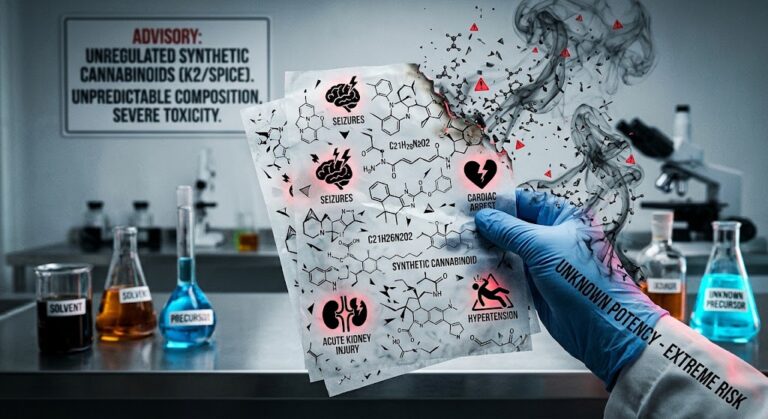
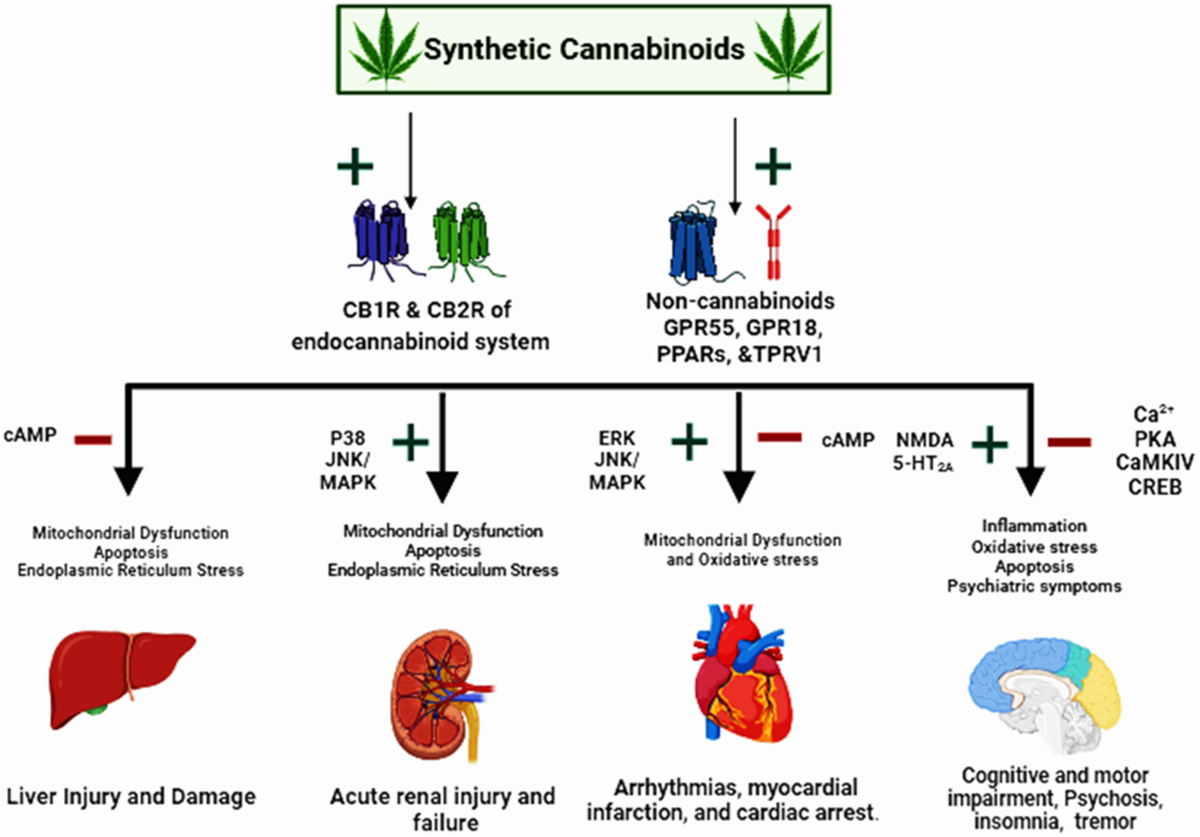
- Toxicity can be severe and multisystem. Synthetic cannabinoids have been associated with agitation, psychosis, seizures, cardiovascular events, kidney injury, and respiratory depression in some cases.
- Diagnostic blind spots are common. Standard urine drug screens typically do not detect synthetic cannabinoids, and even specialized tests may miss newer or less common compounds.
- Patient history is unreliable. People may not know what they consumed, may believe they used a “natural” or “legal” product, or may be unable to communicate during severe intoxication.
- Clinical presentation can mimic other conditions. Symptoms may resemble stimulant toxicity, psychiatric episodes, or other drug overdoses, complicating rapid diagnosis.
These findings reinforce a point that public health agencies have made for years: synthetic cannabinoids are not interchangeable with cannabis, and their effects are not predictable. The 2026 review adds urgency by emphasizing that even well-equipped emergency departments may struggle to confirm exposure quickly.
Why K2 Is So Hard to Diagnose
One of the most important lessons from the review is that diagnosing synthetic cannabinoid exposure is not as simple as running a standard drug test. There are several reasons for this.
1. Standard drug screens do not include synthetic cannabinoids
Most routine urine drug screens test for common substances such as THC, opioids, cocaine, amphetamines, and benzodiazepines. Synthetic cannabinoids are structurally different from THC and are not detected by these standard panels. A negative drug screen does not rule out K2 use.
2. The compounds keep changing
Synthetic cannabinoid products are not a single drug. They are a shifting category of chemicals, and manufacturers have historically modified molecular structures to stay ahead of regulations and detection methods. A test designed for one compound may not detect a newer analog. This is one reason the review describes diagnostic blind spots as a persistent problem.
3. Products are inconsistent and unlabeled
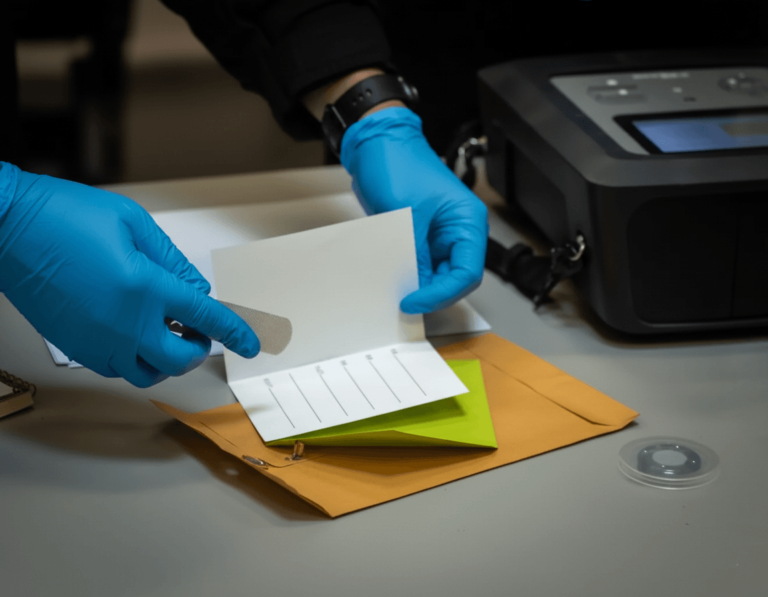
Herbal incense products marketed as K2 or Spice may contain varying amounts and types of synthetic cannabinoids—or none at all. Labels are often inaccurate or absent. Without reliable product information, clinicians cannot easily know what a patient was exposed to.
4. Symptoms overlap with other conditions
Agitation, rapid heart rate, high blood pressure, nausea, confusion, and psychosis can occur with many substances and medical conditions. Without a reliable history or a positive test, clinicians must rely on clinical presentation and pattern recognition—which is imperfect.
For a broader overview of how these products are marketed and why their contents are difficult to verify, see our guide on what chemicals are in synthetic K2.
Recognizing Severe Synthetic Cannabinoid Toxicity: Warning Signs
The 2026 review emphasizes that synthetic cannabinoid toxicity can escalate quickly. While not every exposure causes severe effects, certain signs should be treated as emergencies.
Seek emergency help immediately for:
- Seizures or convulsions
- Severe agitation, aggression, or violent behavior
- Chest pain, irregular heartbeat, or very rapid heart rate
- Difficulty breathing or slowed breathing
- Extreme confusion, disorientation, or hallucinations
- Loss of consciousness or unresponsiveness
- Severe vomiting or signs of dehydration
- Suicidal statements or self-harm
These symptoms may indicate serious medical complications and should never be managed by waiting to see if they improve. Call 911 and stay with the person until help arrives. If possible, provide responders with any product packaging, even if it appears unlabeled.
Less severe but still concerning effects
Some people experience anxiety, panic, nausea, dizziness, or a racing heart without progressing to severe toxicity. Because batch strength and composition vary, a mild reaction does not guarantee the next exposure will be mild. Anyone who has had a concerning reaction should avoid further use and consider speaking with a healthcare professional.
What Makes Synthetic Cannabinoids Different From Cannabis
Synthetic cannabinoids are often described as “fake weed,” but that label is misleading. They are not plant-derived THC. They are laboratory-made chemicals designed to interact with the body’s cannabinoid receptors, often with much greater potency than THC.
This difference matters for several reasons:
- Potency: Some synthetic cannabinoids bind to cannabinoid receptors more strongly than THC, which can increase the risk of severe effects.
- Unpredictability: The type and amount of active compound can vary widely between products and even between batches of the same product.
- Unknown additives: Products may contain multiple synthetic cannabinoids or other substances that are not disclosed.
- Different risk profile: The health risks associated with synthetic cannabinoids are not the same as those associated with regulated cannabis products.
For a detailed comparison, read our article on what K2 is and how to stay safe.
Regulatory Pressure in 2026: Why K2 Risk Is Not Solved by Hemp Rules
The 2026 review arrives during a period of intense regulatory activity around hemp-derived products in the United States. Recent headlines describe federal hemp restrictions taking effect, state-level debates over THC bans, and industry uncertainty about what will remain legal.
It is important to separate two issues:
- Hemp-derived cannabinoid regulation concerns products such as CBD, delta-8 THC, and other compounds derived from hemp. These rules are changing rapidly and vary by state.
- Synthetic cannabinoid risk concerns laboratory-made compounds that are not derived from hemp in the same way and are often sold as herbal incense or “legal highs.”
Tighter hemp rules do not automatically make synthetic cannabinoids safer or less available. In fact, regulatory confusion can create openings for unregulated products to circulate. Consumers should not assume that a product is safe because it is sold openly, labeled “legal,” or marketed as incense.
For more on how policy shifts affect consumer risk, see our analysis of where fake weed is sold and what to watch for.
What the Diagnostic Gap Means for Patients and Families
The review’s emphasis on diagnostic blind spots has practical implications beyond the emergency department.
For patients
If you seek medical care after using a synthetic cannabinoid product, be as honest as possible with clinicians about what you took, when, and how much. Even if you do not know the exact chemical, describing the product name, packaging, and route of use can help. You will not be arrested for seeking emergency medical care in a life-threatening situation; medical confidentiality and emergency response prioritize saving lives.
For families and friends
If you suspect someone has used K2 or Spice and is behaving unusually, do not try to manage severe symptoms at home. Agitation and psychosis can escalate quickly, and safety for everyone involved is the priority. Call emergency services and remove any obvious hazards from the immediate area if it is safe to do so.
For clinicians and harm-reduction workers
The review supports a low threshold for suspecting synthetic cannabinoid exposure when patients present with unexplained agitation, seizures, or cardiac symptoms—especially in settings where K2 use is known to occur. Standard drug screens should not be used to rule out synthetic cannabinoid toxicity.
Harm Reduction and Safer Decision-Making
This article is educational and does not encourage the use of illegal or unregulated substances. However, honest information about risk is part of public health. If you or someone you know is considering or already using synthetic cannabinoid products, the following principles can reduce—but not eliminate—risk:
- Avoid unknown products. Unlabeled herbal incense, “legal high” powders, and sprayed paper products have no reliable quality control.
- Do not use alone. Having someone present who can call for help is a basic safety measure.
- Start with less, but do not assume safety. Because potency varies, there is no reliable “safe dose.”
- Avoid mixing substances. Combining synthetic cannabinoids with alcohol, stimulants, opioids, or prescription medications can increase the risk of severe effects.
- Know the signs of emergency. Seizures, chest pain, severe agitation, and breathing problems require immediate medical attention.
- Seek support for problematic use. If use is affecting your health, relationships, or daily functioning, talk to a healthcare provider or call SAMHSA’s National Helpline at 1-800-662-HELP (4357).
For more practical guidance, see our article on top tips for safer use and handling.
Frequently Asked Questions
Can a standard drug test detect K2 or Spice?
Usually not. Standard urine drug screens are designed to detect common substances such as THC, opioids, and amphetamines. Synthetic cannabinoids are structurally different and typically require specialized testing, which may not be available in all settings and may still miss newer compounds.
What are the most dangerous signs of synthetic cannabinoid toxicity?
Seizures, severe agitation or violence, chest pain, irregular heartbeat, difficulty breathing, loss of consciousness, and extreme confusion are emergency warning signs. Call 911 immediately if any of these occur.
Is K2 the same as cannabis?
No. K2 and Spice are not plant-derived cannabis. They are products that typically contain laboratory-made synthetic cannabinoids, which can be much more potent and unpredictable than THC. The health risks are different and can be severe.
Why do new clinical reviews keep warning about synthetic cannabinoids?
Because the problem has not gone away. New compounds continue to appear, diagnostic testing remains imperfect, and severe toxicity continues to be reported. Reviews like the 2026 analysis are intended to help clinicians recognize and respond to these risks more effectively.
Does legal status mean a product is safe?
No. Legal status is not a guarantee of safety, quality, or accurate labeling. Unregulated products can contain unknown ingredients and inconsistent doses. Consumers should be cautious of any product that sells as a “legal high” or herbal incense with unclear contents.
Where can I get help for synthetic cannabinoid use?
If you or someone you know is struggling with substance use, contact SAMHSA’s National Helpline at 1-800-662-HELP (4357) or visit findtreatment.gov. For medical emergencies, call 911.
The Bottom Line
The 2026 clinical review on novel psychoactive substances reinforces what harm-reduction advocates and emergency clinicians have seen for years: synthetic cannabinoid toxicity can be severe, and diagnosis is often delayed or missed. Standard drug screens are not enough, product labels are unreliable, and symptoms can mimic other conditions.
For consumers, the practical takeaway is caution. Families and clinicians, the takeaway is vigilance. For policymakers, the takeaway is that regulatory changes around hemp do not resolve the separate challenge of synthetic cannabinoid risk. Clear information, emergency awareness, and honest conversations about unregulated products remain essential.
This content is for educational purposes only and is not a substitute for professional medical advice, diagnosis, or treatment. Always seek the advice of a qualified healthcare provider with any questions you may have regarding a medical condition or substance use.