K2-Induced Psychosis: Warning Signs, Immediate Safety Steps, and Recovery Support
K2-induced psychosis is one of the most serious mental and behavioral reactions associated with synthetic cannabinoids. A person may become intensely paranoid, hear or see things others do not, lose touch with reality, or act in ways that place them or others at risk. These reactions can develop quickly and may occur even when someone has used a synthetic cannabinoid before without an obvious crisis.
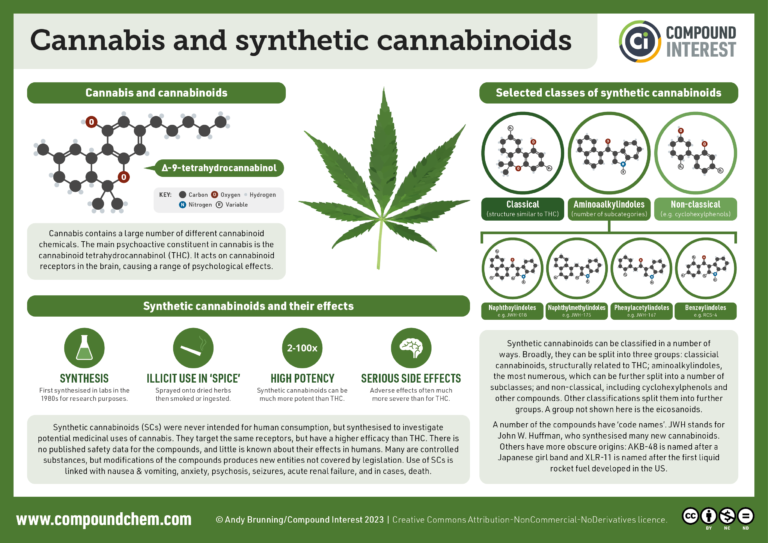
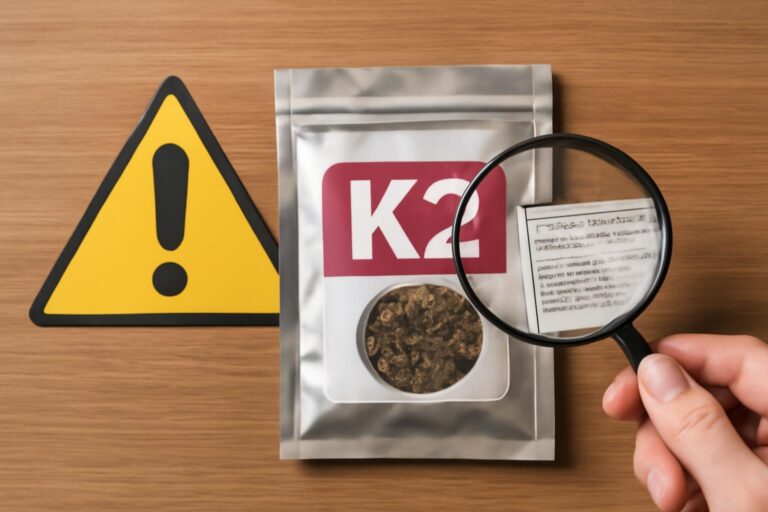
K2, Spice, fake weed, and synthetic cannabis are informal names for products containing laboratory-made compounds that interact with cannabinoid receptors. The contents and strength of a product may be unknown, which makes the psychological effects difficult to predict. Packaging, product names, and claims such as “herbal incense” do not reliably indicate what a product contains or how it will affect the brain.
This guide is educational and focuses on recognition, immediate safety, and getting professional help. It does not provide instructions for making, dosing, spraying, or using synthetic cannabinoids.
What Is K2-Induced Psychosis?
Psychosis is a condition in which a person has difficulty distinguishing internal experiences from external reality. When psychosis follows exposure to a synthetic cannabinoid, clinicians may describe it as substance-induced psychosis. Symptoms can begin during intoxication, shortly afterward, or sometimes persist after the most noticeable physical effects have faded.
Synthetic cannabinoids can affect brain signaling more unpredictably than naturally occurring cannabis. Some compounds may activate cannabinoid receptors strongly, while others may be mixed unevenly or combined with additional substances. As a result, two people exposed to products sold under the same name may have very different reactions.
Psychosis after K2 exposure does not automatically mean a person has a lifelong psychiatric disorder. However, it is still a medical concern. A substance-related episode can reveal or worsen an underlying vulnerability, and symptoms that continue after intoxication require prompt professional assessment.
Common Warning Signs
Early recognition can help families, friends, and bystanders seek assistance before confusion or fear becomes more dangerous. Possible signs include:
- Paranoia: believing that people are watching, following, poisoning, or trying to harm them.
- Hallucinations: hearing voices, seeing people or objects that are not present, or experiencing unusual sensations.
- Delusions: fixed beliefs that remain convincing despite clear evidence to the contrary.
- Severe confusion: not knowing where they are, who others are, or what is happening.
- Disorganized speech: rapidly changing subjects, incoherent statements, or responses that do not match the conversation.
- Agitation or aggression: pacing, shouting, threatening behavior, or reacting defensively to ordinary actions.
- Extreme fear: attempting to flee, hide, climb, drive, or defend themselves from an imagined threat.
- Unusual lack of sleep: remaining awake for an extended period while becoming increasingly restless or confused.
K2-induced psychosis! Physical symptoms may occur at the same time, including rapid heart rate, chest discomfort, vomiting, tremors, seizures, overheating, fainting, or difficulty breathing. Physical danger and mental distress can reinforce each other, so a person who appears psychotic after K2 exposure should not simply be left alone to “sleep it off.”
When Is K2 Psychosis an Emergency?
Call 911 or your local emergency number immediately if the person:
- Threatens suicide, self-harm, or violence toward another person.
- Has a weapon or is trying to obtain one.
- Cannot stay awake, is having a seizure, or is having trouble breathing.
- Has collapsed, appears severely overheated, or has uncontrolled vomiting.
- Is running into traffic, attempting to jump, climbing dangerously, or trying to drive.
- Cannot be safely redirected and may hurt themselves or someone nearby.
- Has severe chest pain, a very fast or irregular heartbeat, or signs of a medical emergency.
Tell emergency responders that synthetic cannabinoid exposure is suspected. Specific information can help medical teams prepare for agitation, cardiovascular symptoms, seizures, or other complications. If possible, keep the product packaging available for responders, but do not delay emergency care while searching for it.
How to Respond Safely During a Crisis
Stay calm and reduce stimulation
Use a quiet voice and short, simple sentences. Reduce bright lights, loud music, television, crowding, and unnecessary conversation. If other people are present, ask them to move away unless their presence is genuinely calming.
Do not argue about hallucinations or delusions
Trying to prove that a person’s beliefs are irrational can increase fear and defensiveness. Instead of saying, “That is not real,” try, “I understand that this feels frightening. I do not see the person you are describing, but I am here to help you stay safe.” Acknowledge the emotion without confirming the belief.
Give the person space
Do not corner, grab, restrain, or block someone unless there is an immediate need to prevent serious injury and trained professionals are directing the response. Maintain a clear exit route for yourself and avoid sudden movements. Keep a safe distance and position yourself near an exit when possible.
Remove hazards discreetly
If it can be done safely, move sharp objects, firearms, medications, car keys, and other hazards away from the area. Do not attempt to take an object from an agitated person by force. Your safety matters too.
Ask direct safety questions
Simple questions can help determine urgency: “Are you thinking about hurting yourself?” “Do you have a weapon?” and “Are you having trouble breathing?” Asking about suicide does not create suicidal thoughts. If the answer suggests immediate danger, contact emergency services.
What Not to Do
Several common responses can make a synthetic cannabinoid crisis worse:
- Do not give alcohol, cannabis, stimulants, sedatives, or another drug to counteract the reaction.
- Do not encourage the person to take more of the product because the first amount “did not work.”
- Do not force food, liquids, a shower, or physical exercise when the person is confused or nauseated.
- Do not film, mock, threaten, or challenge the person.
- Do not assume a familiar brand name means the next package will have the same ingredients.
- Do not drive an unpredictable or combative person to a hospital yourself. Request professional assistance.
Families looking for broader educational material about synthetic cannabinoids can review the site’s published article index. Because online product descriptions can be incomplete or misleading, product names should never be treated as a safety guarantee.
How Long Can Symptoms Last?
The duration of K2-induced psychosis varies. Some people improve as intoxication resolves, while others experience paranoia, insomnia, anxiety, or hallucinations for many hours or longer. The timeline may depend on the specific compound, amount and route of exposure, co-use of other substances, sleep deprivation, dehydration, and a person’s medical or psychiatric history.
There is no reliable way to predict the duration from the product label. A person who remains confused, paranoid, sleepless, or detached from reality after the immediate exposure period should be evaluated by a healthcare professional. Persistent symptoms can require medical monitoring and, in some cases, psychiatric treatment.
What Happens After the Crisis?
Once immediate safety has been addressed, arrange a follow-up evaluation even if the person appears better. A clinician can assess ongoing psychosis, sleep loss, cardiovascular symptoms, medication interactions, and possible co-exposures. Be honest about what was used, when it was used, and whether alcohol, prescription drugs, cannabis, stimulants, or other substances were involved.
Recovery support may include rest in a calm environment, hydration when medically appropriate, treatment for anxiety or insomnia, substance-use counseling, and mental-health follow-up. Do not stop prescribed psychiatric medication or begin a new medication without professional guidance.
Friends and relatives can help by using nonjudgmental language, arranging transportation to appointments, watching for returning symptoms, and reducing access to weapons or other immediate hazards. A written plan can identify warning signs, preferred healthcare contacts, emergency numbers, and trusted people who can help.
Reducing Future Risk
The most dependable way to prevent another K2-related psychotic episode is to avoid synthetic cannabinoids. There is no dependable visual, smell-based, or label-based method for determining whether a product is safe. “Legal,” “natural,” “incense,” and “not for human consumption” are marketing or regulatory descriptions, not evidence of predictable effects.
People who are worried about dependence, repeated use, or difficulty stopping should seek confidential support from a healthcare professional or a substance-use service. Treatment is more effective when the person is treated with respect rather than shame. If stopping causes severe anxiety, insomnia, agitation, or unusual thinking, professional support is especially important.
For general site navigation and educational updates, visitors can use the Insense High home page and browse the article category index. Information about K2 should always be considered alongside guidance from qualified medical, poison-control, and emergency professionals.
Frequently Asked Questions
Can K2 cause psychosis after one use?
Yes. A single exposure can cause severe paranoia, hallucinations, confusion, or agitation. Unknown ingredients and uneven potency make it impossible to assume that previous use was safe or that a small amount will produce a mild effect.
Is K2-induced psychosis permanent?
Not necessarily. Some episodes resolve with medical care and time, but symptoms can persist or reveal an underlying mental-health condition. Continuing hallucinations, delusions, severe insomnia, or disorganized behavior require prompt evaluation.
Should I leave someone alone if they are hallucinating?
No. Stay nearby if you can do so safely, reduce stimulation, and seek help when needed. Do not physically restrain the person or place yourself in danger. Call emergency services if there is a risk of self-harm, violence, serious medical symptoms, or unsafe behavior.
Can naloxone reverse K2 psychosis?
Naloxone reverses opioid overdose; it does not specifically reverse synthetic cannabinoid intoxication or psychosis. If opioid exposure is possible and the person is unresponsive or breathing abnormally, follow emergency guidance and administer naloxone if available, while calling 911.
What is the safest first step when K2 psychosis is suspected?
Prioritize immediate safety, reduce stimulation, avoid confrontation, and contact emergency or medical professionals when symptoms are severe, persistent, or accompanied by physical warning signs. Provide responders with accurate information about suspected exposure and any other substances involved.