Federal Cannabis Ban Headlines and K2: What Indiana Consumers Need to Know About Synthetic Cannabinoid Safety
Federal Cannabis Ban and K2 Safety! Recent headlines about a possible federal cannabis ban and changing state cannabis policies have created understandable confusion. In Indiana and across the United States, some consumers may wonder whether tighter cannabis rules also affect K2, Spice, or products marketed as herbal incense and legal highs.
The most important point is simple: changes to cannabis policy do not make synthetic cannabinoids safe, predictable, or equivalent to marijuana. K2 is a broad street term for products containing laboratory-made chemicals that act on cannabinoid receptors. The contents, strength, and health effects can vary widely from one product or batch to another.
This guide explains how to interpret cannabis-ban headlines, why K2 remains a separate public-health concern, and what consumers, families, retailers, and community organizations should understand before making decisions about any cannabinoid-labeled product. Federal Cannabis Ban and K2 Safety: What you need Know
Why federal cannabis headlines can be confusing
Cannabis policy is shaped by several overlapping systems: federal law, state statutes, local rules, court decisions, agency guidance, and enforcement priorities. A headline about a federal ban, a proposed restriction, or a change in cannabis scheduling may describe one part of that system without explaining how it affects every product sold under a similar label.
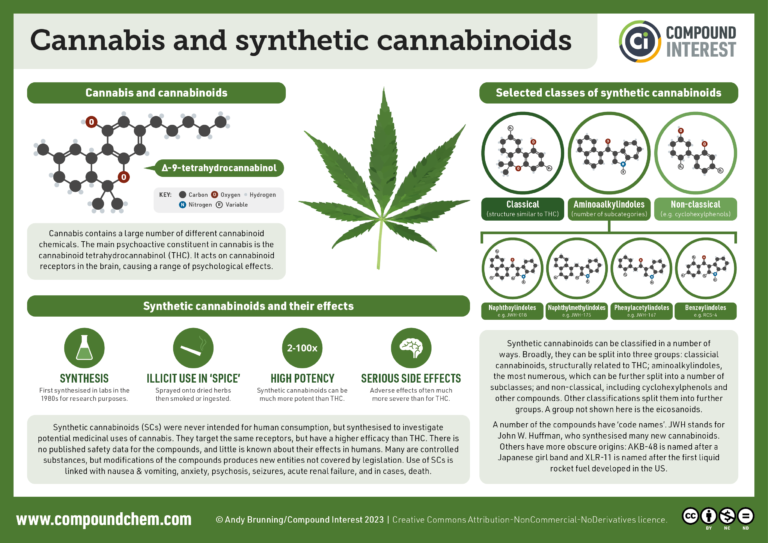
K2 and Spice are not simply stronger versions of cannabis. Traditional cannabis contains naturally occurring cannabinoids, including THC. Synthetic cannabinoids are manufactured compounds designed to interact with the same general receptor system, but their chemical structures and pharmacological behavior may be very different. Federal Cannabis Ban and K2 Safety: What you need Know
Some synthetic cannabinoids have been placed on controlled-substance schedules. Others have appeared briefly in the unregulated market before being replaced by different compounds. Manufacturers and sellers may also use changing names, packaging, or “not for human consumption” language to make products appear outside ordinary drug laws. A label, however, does not determine what a product does in the body or whether it complies with the law.
A cannabis ban does not create a safety exception for K2
When people hear that cannabis may be restricted, they sometimes assume that synthetic products become a legal or safer alternative. That assumption is dangerous for several reasons.
- Different legal categories: Cannabis and synthetic cannabinoids can be treated differently under federal and state law, but a difference in legal classification is not proof of safety.
- Uncertain ingredients: K2 products may contain chemicals that are not listed accurately, may be mislabeled, or may vary between packages carrying the same brand name.
- Uneven potency: A small amount of plant material or paper can carry a highly concentrated chemical, creating a risk of unexpectedly intense effects.
- Rapidly changing formulas: New compounds may appear before health agencies, laboratories, and clinicians have enough information to understand them fully.
- Limited quality control: Products sold through informal channels may not undergo reliable testing for identity, concentration, contaminants, or manufacturing consistency.
For a general overview of the terminology and risks, readers can browse the site’s educational post index. The key lesson is that “legal high,” “herbal incense,” “potpourri,” or “research chemical” are marketing descriptions, not safety certifications.
What synthetic cannabinoids can do in the body
Synthetic cannabinoids may activate cannabinoid receptors more strongly or unpredictably than naturally occurring compounds in cannabis. Effects depend on the specific chemical, the amount absorbed, a person’s health, other substances involved, and whether the product contains contaminants.
Reported reactions can include agitation, anxiety, panic, confusion, hallucinations, severe drowsiness, vomiting, rapid heart rate, chest discomfort, tremors, and loss of coordination. More serious complications may include seizures, dangerously high blood pressure, kidney injury, breathing problems, psychosis, or loss of consciousness.
These effects are not guaranteed to occur with every exposure, but unpredictability is part of the risk. A person may have a mild reaction one time and a medical emergency another time, even when a package appears similar. Previous tolerance to cannabis also does not reliably protect someone from a synthetic cannabinoid exposure.
Why product names and packaging are unreliable
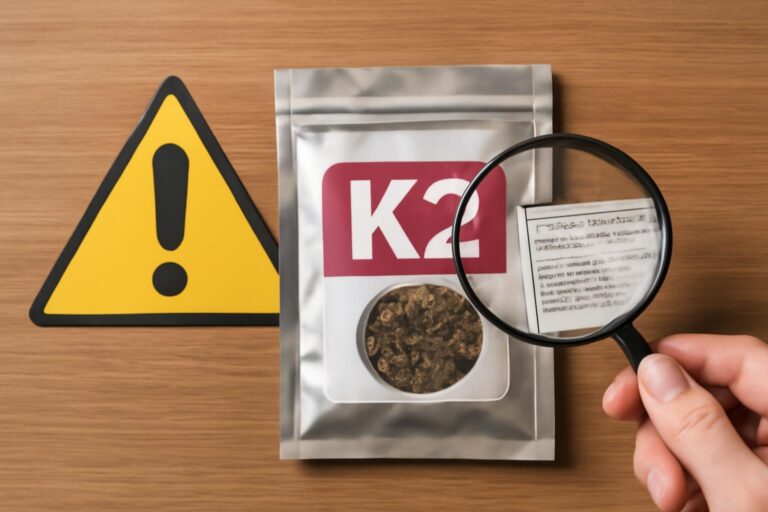
K2 products are often sold with colorful names, strain-style branding, cartoon imagery, or claims such as “natural,” “premium,” or “strong.” Some packaging imitates familiar cannabis products. Others are presented as incense, liquid sprays, infused paper, or botanical blends.
These formats can make a product appear familiar while concealing important information. A product may not identify the active chemical, the concentration, the date of manufacture, or a complete list of ingredients. Even when a chemical name appears on a label, consumers generally cannot verify whether the contents match that description without appropriate laboratory testing.
That is why comparing package names, colors, or online reviews is not a dependable way to predict effects. Reviews may describe a different batch, a different formulation, or an individual reaction that does not apply to someone else. Federal Cannabis Ban and K2 Safety: What you need Know
How Indiana consumers should interpret policy and enforcement news
Indiana residents following federal cannabis-ban coverage should separate three questions that are often blended together in social media posts and commercial advertising:
1. Is the product legal?
Legality depends on the exact chemical, the product’s contents, the amount, the state statute, federal rules, and sometimes local enforcement policy. A product being available for sale does not establish that it is lawful. Retail availability can reflect enforcement gaps, mislabeling, or delayed regulatory action.
2. Is the product regulated?
A regulated product typically has defined manufacturing requirements, labeling rules, testing expectations, and a responsible supply chain. Many K2 products do not provide comparable assurance. “Lab-made,” “research use,” and “not for human consumption” language should not be interpreted as evidence of quality.
3. Is the product safe?
Safety is a separate question from legality and availability. A substance can be legal in one jurisdiction and still carry serious health risks. Conversely, a banned substance may remain accessible through informal channels. Consumers should not use legal status as a substitute for toxicology or medical guidance.
For site navigation, readers can review the broader category index while remembering that product categories and marketing labels are not equivalent to government approval or independent safety testing.
Warning signs that a product should be avoided
No visual checklist can identify every dangerous synthetic cannabinoid, but several warning signs justify avoiding a product and discussing it with a healthcare professional or poison specialist:
- The package does not identify a responsible manufacturer or provide a verifiable contact address.
- Ingredients are described only as “proprietary,” “natural,” “herbal,” or “research-grade.”
- The label claims the product is both extremely potent and completely risk-free.
- There is no batch number, date, testing information, or clear warning about potential drug interactions.
- The seller encourages use by inhalation, ingestion, vaping, or application despite stating that the product is not for human consumption.
- The product is sold in packaging designed to appeal to children or teenagers.
- Marketing emphasizes avoiding drug tests, bypassing laws, or obtaining an intense effect.
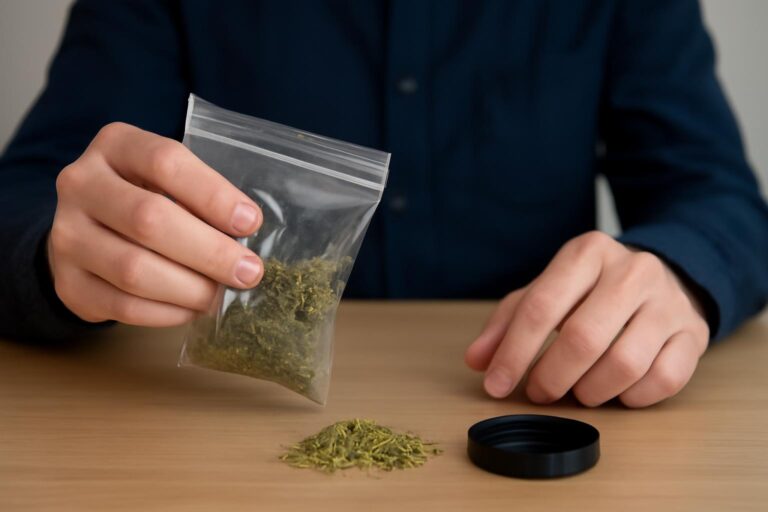
Do not taste, smell closely, heat, vape, or handle an unknown powder, liquid, paper, or plant mixture to “test” it. Accidental exposure can occur through inhalation, skin contact, or contaminated surfaces.
What to do if someone may have used K2
If someone has chest pain, trouble breathing, a seizure, severe agitation, extreme confusion, collapse, or cannot be awakened, call 911 immediately. Do not leave the person alone and do not assume they can simply sleep it off.
In the United States, Poison Control can be reached at 1-800-222-1222. Specialists can provide confidential guidance about an unknown exposure. If possible, keep the package or a photograph of its label available for medical personnel, but do not delay emergency care while searching for product information.
Avoid giving an impaired person alcohol, additional drugs, or unverified “counteracting” substances. Do not induce vomiting. If the person is unconscious but breathing, place them on their side and monitor breathing while waiting for emergency responders.
How families and retailers can reduce confusion
Clear communication is more effective than relying on slang or scare tactics. Parents, schools, and community groups should explain that K2, Spice, fake weed, and synthetic cannabis can refer to different products over time. The same name may not mean the same chemical.
Retailers should maintain accurate records, avoid unsupported health claims, and never present an intoxicating or chemically treated product as harmless incense. Staff should know how to respond to suspected exposure and when to call emergency services. Businesses can also monitor state and federal notices because product restrictions may change quickly.
Consumers looking through an online catalog should remember that a product page is not a substitute for independent laboratory verification. The product index may help users understand how products are organized on a website, but it should not be read as a statement that any product is approved for ingestion, inhalation, or other personal use.
The bottom line on a federal cannabis ban and K2 safety
Federal cannabis-ban headlines may change how cannabis is regulated, sold, or discussed, but they do not make synthetic cannabinoids predictable. K2 and Spice remain distinct substances with distinct risks, and product names, legal-high claims, or “herbal” descriptions cannot establish safety.
The most responsible approach is to avoid unknown synthetic cannabinoid products, treat unlabeled or misleadingly labeled materials as potential chemical exposures, and seek professional help quickly when symptoms appear. Policy news matters, but informed health decisions require looking beyond the headline to the actual ingredients, oversight, and emergency risks.
Frequently asked questions
Does a federal cannabis ban make K2 legal?
Not necessarily. Cannabis rules and synthetic-cannabinoid rules may be written and enforced separately. The legality of a K2 product depends on its actual chemical contents and the laws that apply in the relevant jurisdiction. Product availability is not proof of legality.
Is K2 the same as marijuana?
No. K2 is a general term for synthetic cannabinoid products, while marijuana comes from the cannabis plant. They can affect some of the same receptors, but their chemistry, potency, duration, and risks can differ substantially.
Can hemp-derived products contain K2?
A legitimate hemp-derived product and a synthetic cannabinoid product are not automatically the same. However, consumers should examine labeling, testing, and manufacturing information carefully because misleading products can be marketed using hemp or cannabis-related language.
Can a drug test detect K2?
Standard drug screens may not detect every synthetic cannabinoid. Specialized testing may be required, and detection depends on the compound and timing. A negative routine test does not prove that exposure did not occur or that a person is medically safe.
Where can I get help after suspected exposure?
Call 911 for severe or life-threatening symptoms. For exposure guidance in the United States, contact Poison Control at 1-800-222-1222. Medical professionals can assess symptoms even when the product name or ingredients are unknown.