Synthetic Cannabinoid Product Recalls: How to Recognize Alerts, Exposure Risks, and Safer Next Steps
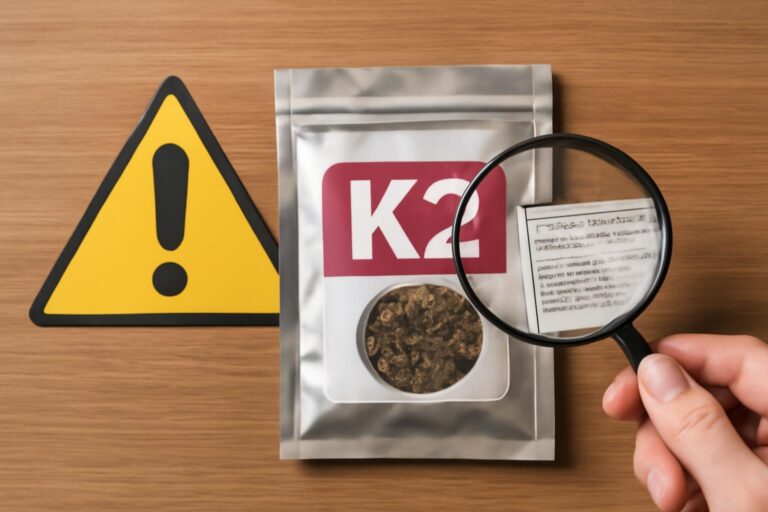
Synthetic cannabinoid product recalls are an important public-health warning, but they can be difficult to interpret. Products sold under names such as K2, Spice, herbal incense, potpourri, or “legal highs” may contain laboratory-made cannabinoids that are not listed accurately—or may contain several different compounds from one batch to the next.
That inconsistency is the central safety issue. A colorful package, familiar brand name, or “not for human consumption” disclaimer does not establish what is actually in a product. When regulators, poison centers, hospitals, or manufacturers identify a dangerous batch, consumers need to know how to recognize the warning, avoid further exposure, and seek appropriate help.
This guide explains how synthetic cannabinoid recalls typically work, what recall language means, and what practical steps to take if you may have handled or used an affected product. It is educational information, not medical or legal advice.
What a synthetic cannabinoid product recall means
A recall is an action intended to remove a product from circulation or warn people not to use it. In the United States, a warning may come from a federal or state agency, a local health department, a poison center, law enforcement, a hospital network, or the business that distributed the product.
A recall does not always mean that every package with a particular name is dangerous. It may apply to:
- A specific lot, batch, date code, or packaging format
- Products sold in one state, city, store, or online marketplace
- A particular flavor, color, size, or product line
- Material suspected of contamination with a potent or unexpected chemical
- Packages connected to a cluster of illnesses or emergency-room visits
However, consumers should not assume that products outside the named lot are safe. Synthetic cannabinoid supply chains can be informal, and similar packaging may be used for materially different mixtures. If an alert concerns a product you possess, the safest response is to stop using it and follow the official disposal or return instructions.
Why K2 and Spice recalls are especially complicated
One brand name may cover multiple formulas
Traditional medicines and regulated pharmaceutical products generally have defined active ingredients and manufacturing controls. Synthetic cannabinoid blends often do not. The same product name may be used for different formulas over time, while unrelated manufacturers may use similar names and artwork.
As a result, a consumer cannot reliably predict effects from a previous experience with the same-looking package. A product that seemed mild on one occasion may be substantially stronger, contaminated, or made with a different synthetic cannabinoid later.
Labels may be incomplete or misleading
Packaging commonly describes these products as incense, plant food, potpourri, or research material. Such wording is not a chemical analysis. “Natural,” “herbal,” “tobacco-free,” and “legal” claims also do not prove that a product is free of synthetic cannabinoids or other hazardous substances.
Some labels omit the active compound entirely. Others use broad terms such as “proprietary blend,” making it impossible for a buyer to determine the dose or ingredients. Even when a chemical name appears on a package, the stated amount may not match the contents.
Potency can vary within the same package
Liquid or concentrated material may not be distributed evenly across plant matter, paper, or other carrier materials. This can create “hot spots” containing far more active chemical than surrounding material. Uneven distribution is one reason apparently small exposures can produce severe symptoms.
How to identify a credible recall or safety alert
When you see a social-media post or message about a K2 or Spice warning, look for specific details before sharing it. A credible alert generally identifies the issuing organization, date, affected product or lot, geographic area, reason for the warning, and recommended action.
Useful details may include:
- Product name, package size, lot number, or expiration date
- Photographs of the packaging or identifying marks
- The seller, distributor, or location where the product was found
- Reported symptoms or laboratory findings
- Instructions to stop use, return the item, or contact a health authority
- A telephone number or official webpage for questions
Be cautious with posts that promise a “safe batch,” claim that one brand is always harmless, or suggest a recalled product can be made safe through dilution, heating, mixing, or another home method. There is no reliable household process for identifying or neutralizing an unknown synthetic cannabinoid.
For broader background, readers can explore the INCENSE HIGH educational and product site, but an official public-health notice should take priority when a specific product or batch is involved.
What symptoms can follow exposure?
Synthetic cannabinoid effects can vary considerably. Some people experience agitation or confusion, while others become unusually sleepy or unresponsive. Symptoms may begin rapidly, last longer than expected, or change suddenly.
Possible effects include:
- Rapid heart rate, chest discomfort, or abnormal blood pressure
- Severe anxiety, panic, paranoia, hallucinations, or unusual behavior
- Confusion, extreme drowsiness, loss of coordination, or collapse
- Nausea, vomiting, sweating, tremors, or muscle stiffness
- Seizures, breathing difficulty, or loss of consciousness
These symptoms are not unique to synthetic cannabinoids and may have other causes. That is why it is important to tell medical professionals what was used or handled, even if the package says herbal, legal, or not for human consumption.
What to do after a suspected exposure
Call emergency services for severe symptoms
Call 911 immediately if someone has trouble breathing, has a seizure, collapses, cannot be awakened, has severe chest pain, or is dangerously confused or agitated. Do not wait for a recall announcement before seeking emergency care.
Place an unconscious but breathing person on their side if you can do so safely, keep the area clear, and monitor breathing. Do not force food, drinks, or medicines. Do not restrain someone who is confused unless necessary to prevent immediate injury.
Contact Poison Control for guidance
In the United States, Poison Control can provide confidential advice at 1-800-222-1222. The service can help determine whether home monitoring, urgent evaluation, or emergency care is appropriate. Have the package available if it can be retrieved safely, but do not delay care while searching for it.
Preserve identifying information safely
If no one is in immediate danger, keep the original package, photographs, receipt, seller details, and lot information. Avoid opening, smelling, tasting, burning, or transferring the material. Place it away from children, pets, food, and heat, and follow local instructions for disposal or reporting.
Do not throw an unknown powder or liquid into a sink or toilet. Do not sweep spilled material into the air. If skin or eyes contact an unknown substance, move away from the source and rinse exposed skin or eyes with clean running water while contacting Poison Control or emergency services for advice.
Why a “legal” label does not prevent a recall
Legal status and product safety are separate questions. A synthetic cannabinoid may be prohibited under federal or state law, temporarily uncontrolled, covered by an analogue law, or subject to a local restriction. Those classifications can change, and they may differ between jurisdictions.
A product can also be recalled even when the legal status of its ingredients is unclear. Recalls may be based on contamination, unsafe manufacturing, misbranding, injury reports, or an unexpected chemical—not solely on whether the product is scheduled.
Recent cannabis-policy headlines can create additional confusion. A change involving regulated cannabis, hemp-derived products, or a state retail program does not make K2 or Spice equivalent to cannabis. Synthetic cannabinoids can act more forcefully and unpredictably at cannabinoid receptors, and they should not be treated as a substitute for regulated cannabis products.
How retailers and consumers can reduce recall-related risk
Retailers should maintain invoices, batch records, supplier information, and customer notification procedures. They should not relabel an affected product, divide it into smaller packages, or continue selling it while waiting for more information. A responsible response is to quarantine the inventory and contact the relevant health or regulatory authority.
Consumers can reduce risk by avoiding products with missing ingredient lists, vague “proprietary” formulas, damaged seals, inconsistent labeling, or unsupported claims about being safe, legal, or natural. Be especially cautious with products marketed for inhalation or ingestion despite disclaimers that say they are not intended for human use.
For general site navigation, the Insense High post archive contains additional educational pages, while the product sitemap shows the site’s indexed product pages. Product listings and customer reviews should not be interpreted as laboratory verification, medical guidance, or proof that a synthetic cannabinoid product is safe.
Frequently asked questions
Can I identify a recalled K2 product by its smell or appearance?
No. Smell, color, texture, package artwork, and the appearance of plant material cannot reliably identify the chemical or its concentration. Avoid handling the product unnecessarily, and rely on official lot information or professional testing rather than sensory inspection.
Should I use a recalled product one more time to see whether it causes symptoms?
No. A person can have a serious reaction even if earlier use produced mild effects. Do not test, dilute, burn, or share a recalled or suspicious product.
Will a standard drug test show synthetic cannabinoids?
Many routine drug screens do not detect the wide range of synthetic cannabinoids. A negative result therefore does not prove that exposure did not occur or that symptoms are unrelated. Medical professionals may use the exposure history, physical findings, and other tests to guide care.
What if I cannot find an official recall notice?
Do not treat the absence of a notice as proof of safety. Stop using a product that caused unexpected effects or has questionable labeling. Contact Poison Control for exposure advice, seek emergency help for serious symptoms, and report concerning products to the appropriate state or local health authority.
The practical takeaway
Synthetic cannabinoid product recalls are a reminder that packaging and marketing cannot establish chemical identity or safety. K2, Spice, and similar products may vary by batch, contain undisclosed compounds, and produce rapidly changing effects.
When an alert appears, verify the details through a credible authority, stop using the affected product, preserve identifying information without unnecessary handling, and seek help quickly when symptoms are severe. The most reliable safety decision is not to experiment with an unknown formulation—especially one associated with illness, a recall, or an unclear supply chain.