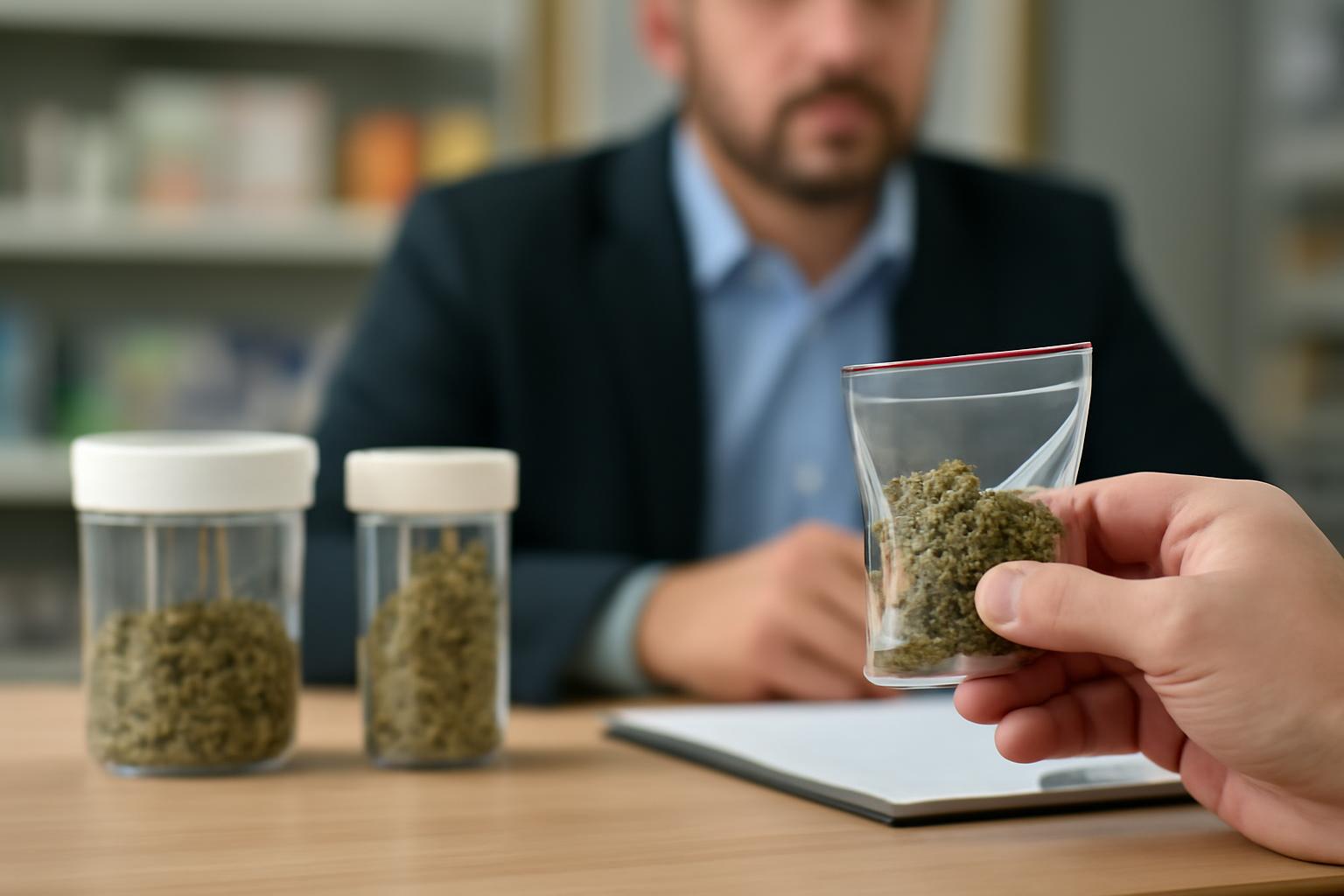
Synthetic Cannabinoid Retail Compliance: What California’s Crackdown Means for U.S. Consumers
California’s enforcement activity against dangerous products sold under misleading labels is drawing attention to a wider issue: synthetic cannabinoid retail compliance. Products marketed as herbal incense, potpourri, legal highs, or novelty items may appear ordinary on a shelf, yet some have been associated with unpredictable and serious health effects when they contain undisclosed synthetic cannabinoid compounds.
For consumers, the most important lesson is straightforward: packaging, branding, and a “not for human consumption” disclaimer cannot establish what a product contains or whether it is legal in a particular location. For retailers and distributors, compliance requires more than changing a label or avoiding familiar words such as K2 and Spice. It involves product screening, accurate records, responsible marketing, and a clear understanding of state and local rules.
This article explains why California’s enforcement trend matters, how synthetic cannabinoid products can be misrepresented, and what practical safety questions consumers and businesses should ask.
Why California’s crackdown matters beyond California
Recent California reporting has focused on dangerous products that can be difficult to recognize because they are presented as everyday retail goods. The concern is not limited to one brand, package size, or product category. It reflects a recurring pattern in the synthetic cannabinoid market: products may use familiar cannabis-style names, colorful graphics, or vague botanical language while providing little reliable information about their actual chemical contents.
California has a large and complex market for cannabis, hemp-derived products, smoking accessories, and novelty merchandise. That makes the state an important indicator of how regulators may respond when products blur the line between lawful merchandise and substances that pose a public-health risk. Enforcement actions can also influence shipping policies, payment processing, retail inspections, advertising practices, and product screening in other states.
However, a California action does not automatically change the law in every state. Synthetic cannabinoid rules can vary significantly by jurisdiction, and local governments may impose additional restrictions. Consumers should treat national headlines as a reason to check current local requirements—not as proof that a product is lawful or safe where they live.
What synthetic cannabinoid retail compliance actually involves
Synthetic cannabinoid retail compliance is the process of ensuring that products, labels, marketing, storage, sales, and distribution practices meet applicable legal and safety requirements. It should not be reduced to whether a package includes a disclaimer.
1. Knowing what is actually in the product
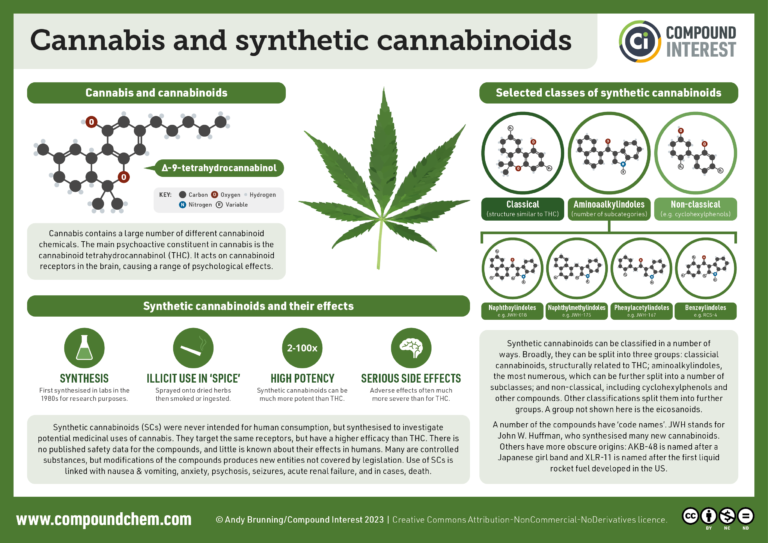
A retailer cannot responsibly evaluate a product using only its name, color, smell, or advertised effects. Synthetic cannabinoids are laboratory-made compounds that can differ substantially in potency and pharmacology. Two packages with similar branding may contain different substances—or one may contain an unexpected chemical not disclosed on the label. Synthetic Cannabinoid Retail Compliance: California Crackdown explanations
Responsible screening may involve documented supplier information, certificates of analysis from qualified laboratories, batch identification, contaminant testing, and procedures for investigating inconsistencies. A certificate alone is not a guarantee of safety, especially if the sample does not represent the full batch or the laboratory’s methods are unclear. Still, a complete testing and documentation process is more meaningful than a generic disclaimer or a claim that a product is “natural.”
2. Reviewing labels and marketing language
Labels should identify the product accurately and avoid claims that imply human consumption when the product is not approved for that purpose. Marketing that promises a cannabis-like high, extreme potency, guaranteed effects, or a way to evade drug testing can increase legal and safety concerns.
Retailers should also review online descriptions, product images, social-media posts, and search-optimized pages. A package may use cautious wording while a website openly promotes intoxicating effects. Regulators and consumers increasingly evaluate the full marketing presentation rather than one isolated sentence.
3. Tracking suppliers and batches
Traceability is a basic part of responsible retail operations. Businesses should know who supplied a product, when it arrived, which batch it came from, and where it was distributed. This information becomes especially important if a product is linked to adverse events, a laboratory concern, or an enforcement notice.
Good records can support a voluntary hold, targeted notification, or product withdrawal instead of leaving a retailer unable to identify affected inventory. They also help distinguish legitimate compliance work from anonymous marketplace activity where products change names and packaging frequently.
4. Monitoring state and local requirements
Federal, state, county, and city rules may overlap, but they do not always use the same definitions. A product described as hemp-derived, botanical, incense, or a research chemical may still be restricted under a state controlled-substances law or a local ordinance. Rules can also change after a public-health alert or legislative action.
Businesses should obtain advice from a qualified attorney or compliance professional before selling products that may contain intoxicating cannabinoids or research chemicals. Consumers should check current government information in their state and avoid assuming that an online listing reflects the law where they live.
Why “herbal incense” and “legal high” labels are unreliable safety signals
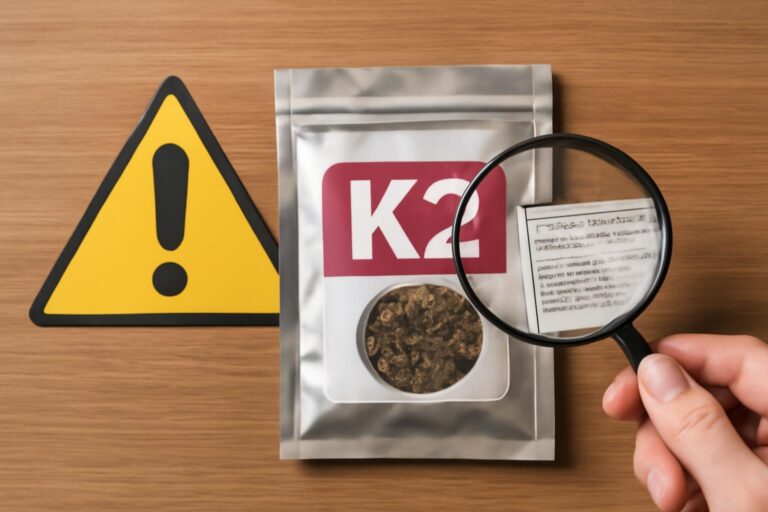
The terms herbal incense, potpourri, legal high, and research chemical describe marketing categories, not consistent scientific ingredients. In the past, synthetic cannabinoid products were often sold under names such as K2 or Spice, but modern products may use entirely different branding to avoid attention or appeal to new customers.
Some products are labeled “not for human consumption.” That wording may be required or used as a legal strategy, but it does not make the contents harmless. It also does not transform a product into a safe alternative to cannabis. Anyone seeking background on the broader K2 issue can review this overview of K2 and safety considerations, while a separate explanation of the chemicals associated with synthetic K2 products provides additional context.
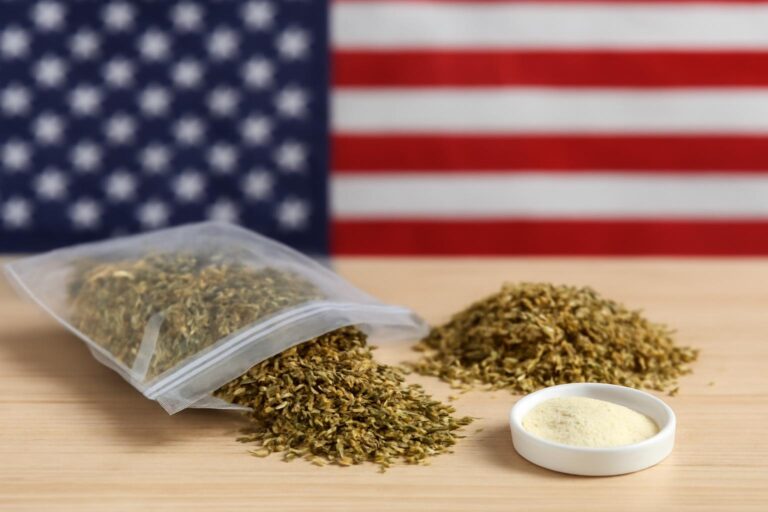
Appearance is equally unreliable. Dried plant material may be sprayed or coated with a chemical mixture, and the distribution of that mixture may be uneven. A familiar product name, attractive package, or consistent-looking material cannot confirm dose, identity, or purity.
Consumer warning signs when shopping online or in person
Consumers should be cautious when a seller:
- Promises an intense or guaranteed psychoactive effect.
- Uses “legal everywhere,” “undetectable,” or similar blanket claims.
- Refuses to identify the manufacturer, importer, or batch.
- Provides a certificate of analysis with no laboratory details or sample date.
- Changes product names frequently while keeping the same unusual claims.
- Encourages buyers to conceal the product from parents, employers, clinicians, or authorities.
- Offers no clear process for reporting an adverse reaction or requesting a product hold.
These warning signs do not prove that a product contains a particular compound. They do indicate that the seller may not be providing enough information for an informed decision. Reviews can reveal recurring complaints, but they cannot verify chemical identity. For perspective on evaluating seller information and product claims, consumers may also consult the site’s broader review and product-information section.
Health risks associated with unknown synthetic cannabinoids
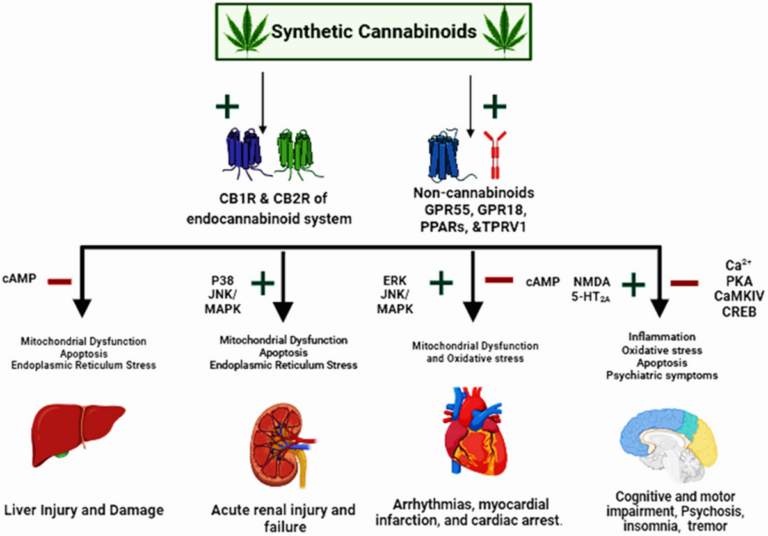
Synthetic cannabinoids can affect the brain and cardiovascular system in unpredictable ways. Reported effects have included severe anxiety, agitation, confusion, hallucinations, vomiting, rapid heart rate, seizures, loss of consciousness, and dangerous changes in behavior. The risk may be higher when the substance is highly potent, unevenly distributed, contaminated, combined with other drugs, or used by someone with an underlying medical condition.
Because products may contain different compounds from one batch to the next, previous experience does not establish that a new package will produce the same effect. This variability is one reason why product reviews, brand names, and informal dosing advice should never be treated as medical or safety guidance.
When to seek emergency help
Call 911 immediately if someone who may have used a synthetic cannabinoid has a seizure, trouble breathing, chest pain, severe agitation, extreme confusion, collapses, cannot be awakened, or appears to be in immediate danger. Do not make the person vomit, leave them alone, or attempt to restrain them unless necessary to prevent immediate injury.
Tell emergency responders what was taken, when it may have been taken, and show the package if it is available. Accurate information can help clinicians select appropriate monitoring and treatment. If the situation is not immediately life-threatening, Poison Control in the United States can provide confidential guidance at 1-800-222-1222.
What responsible retailers should do next
Retailers that sell incense, smoking accessories, hemp-derived products, or other regulated merchandise should establish a written review process before accepting new inventory. That process can include:
- Checking applicable federal, state, and local rules.
- Obtaining complete supplier and manufacturer information.
- Reviewing batch-specific testing and laboratory documentation.
- Rejecting products with inconsistent labels, unexplained ingredients, or unsupported health claims.
- Training staff not to provide medical advice or make promises about effects.
- Keeping purchase, batch, complaint, and withdrawal records.
- Creating a response plan for suspected contamination or adverse events.
- Reviewing website copy and social-media marketing for claims that conflict with the label.
Businesses should also avoid using compliance language as a substitute for safety. Calling a product “for research only” or “not for human consumption” does not resolve concerns if the overall marketing is directed at recreational use. A professional compliance program must consider the product, the customer experience, and the seller’s conduct together.
The broader lesson for consumers and policymakers
California’s crackdown illustrates why product categories can become difficult to regulate when chemical formulas, brand names, and distribution channels change quickly. Enforcement can remove individual products, but long-term consumer protection also depends on accurate labeling, accessible testing information, responsible retail practices, public-health education, and timely reporting of adverse events.
Consumers should not have to infer chemical safety from package artwork or a catchy strain name. Retailers should not treat a disclaimer as a complete legal or ethical shield. And policymakers should distinguish between traditional non-intoxicating incense products, regulated cannabis products, hemp-derived cannabinoids, and synthetic cannabinoid drugs rather than allowing vague terminology to obscure meaningful differences.
Frequently asked questions
Does a “not for human consumption” label make a synthetic cannabinoid product legal?
No. A disclaimer does not override controlled-substance laws, consumer-protection rules, product-safety requirements, or local restrictions. It also does not confirm that the contents are safe.
Are all herbal incense products synthetic cannabinoids?
No. The term herbal incense can refer to ordinary aromatic products, but it has also been used to market products containing undisclosed psychoactive chemicals. The label alone is not enough to determine contents.
Can a certificate of analysis prove that a product is safe?
No. Testing can provide useful information about a particular sample, but it may not represent every package in a batch. Laboratory quality, sampling methods, contaminants, and newly emerging compounds also matter.
Does California law apply throughout the United States?
No. California enforcement may influence national business practices, but each state and locality can have its own rules. Verify current requirements before you consider buying. Synthetic Cannabinoid Retail Compliance: California Crackdown
What is the safest response to an unknown synthetic cannabinoid product?
Do not consume it. Keep it away from children and pets, preserve the packaging if an exposure has occurred, and seek professional medical or poison-control guidance when needed.
Bottom line: the current enforcement trend reinforces a practical rule for everyone in the market: treat unknown synthetic cannabinoid products as a serious safety and compliance issue, not as ordinary herbal incense or a guaranteed “legal high.”