K2 Legal Status Changes in the United States: Why Headlines About Cannabis Rules Do Not Make Synthetic Cannabinoids Safe
K2 legal status changes are increasingly difficult to track because U.S. rules develop at several levels at once. Federal agencies may change how hemp-derived products are defined, state lawmakers may prohibit specific compounds, and local authorities may regulate retail sales or possession. At the same time, news coverage often places cannabis, hemp products, research chemicals, and synthetic cannabinoids in the same conversation.
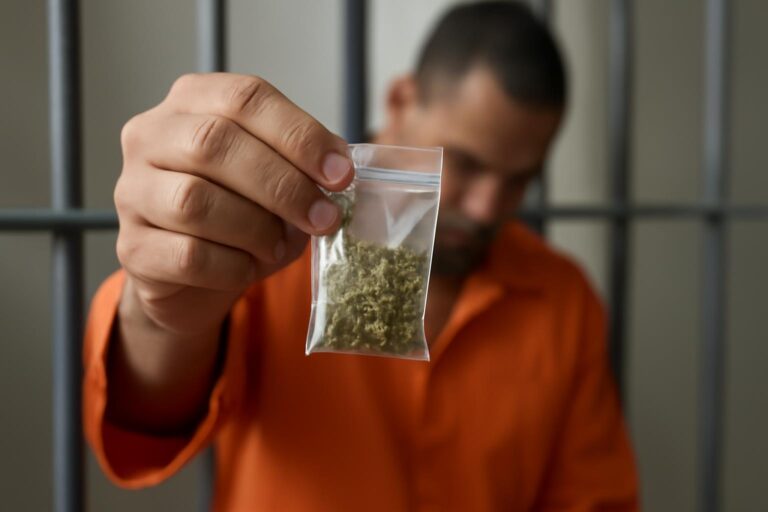
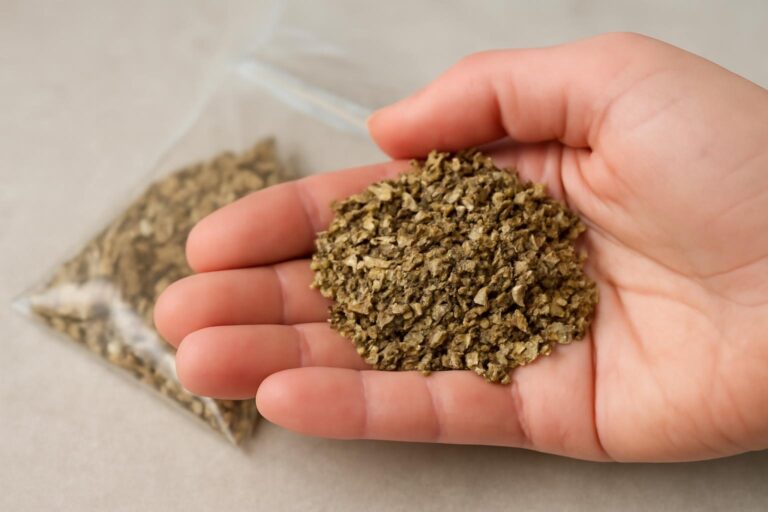
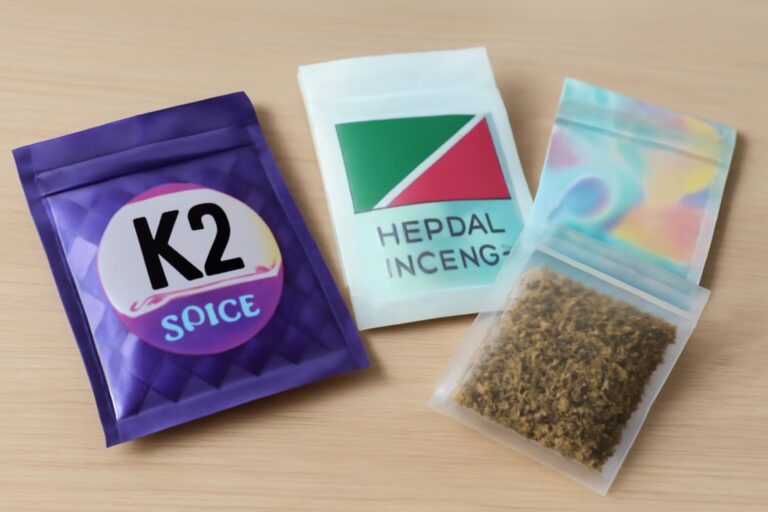
That overlap creates a serious misunderstanding: a product being described as a “legal high” or sold in a shop does not prove that it is safe, federally lawful, or chemically similar to cannabis. K2 and Spice are names commonly used for products containing synthetic cannabinoid compounds. These substances can vary substantially from one batch to another, and their effects may be unpredictable.
This guide explains how changing U.S. rules affect K2, why legal status can differ by location, and what readers should look for when interpreting current cannabis and synthetic cannabinoid news.
Why K2 legal status changes so frequently
Traditional drug laws often identify a specific chemical. Synthetic cannabinoid manufacturers have historically attempted to stay ahead of those laws by modifying molecular structures or changing product names and packaging. When lawmakers prohibit one compound, a different compound may appear under a new label.
To respond, federal and state laws may use broader language covering chemical families, structural similarities, or substances intended to produce cannabinoid-like effects. Some states also apply analogue laws, which can make a chemically related substance illegal even when its exact name is not listed in a statute.
The result is a moving legal environment. A product may be:
- Controlled under federal law but still offered illegally by an online seller.
- Restricted in one state and treated differently in another.
- Marketed as herbal incense or research material while being intended for human consumption.
- Subject to additional rules because of its packaging, advertising, or claimed effects.
- Removed from retail shelves after a state health department identifies contamination or adverse events.
Legal status is therefore not a substitute for a safety assessment. It is a description of how authorities currently classify, enforce, or restrict a substance.
How current cannabis headlines can create confusion
Recent news about hemp-derived THC beverages, gummies, cannabis restrictions, and possible federal policy changes may appear relevant to every cannabinoid product. However, policy discussions about regulated cannabis or hemp do not automatically legalize synthetic cannabinoids.
Manufactured cannabinoid compounds associated with K2 or Spice are not simply another form of ordinary cannabis. They may act more strongly or differently at cannabinoid receptors, and products sold under the same brand name may not contain the same active ingredient. A familiar package or a cannabis-themed name cannot establish chemical identity.
Headlines can also use terms such as “legal weed,” “alternative cannabinoids,” “research chemicals,” or “legal highs” as shorthand. Those labels may describe a marketing category rather than a legally recognized one. Readers should check the actual substance, the jurisdiction involved, and whether the report concerns possession, manufacturing, retail sale, or personal use.
Three questions to ask when reading a headline
- What substance is the report actually discussing? Hemp-derived THC, CBD, HHC, kratom, and synthetic cannabinoids are different categories, even when a headline groups them together.
- Which law or jurisdiction is involved? A federal proposal, state statute, county ordinance, and court decision can have very different effects.
- Does “legal” mean lawful to possess, sell, ship, or consume? These are separate legal questions and may have different answers.
Federal rules versus state and local restrictions
In the United States, K2 legal status is shaped by both federal scheduling and state controlled-substance laws. Federal rules can affect interstate commerce, mail shipment, importation, manufacturing, and prosecution. State laws may add separate offenses or classify broad groups of synthetic cannabinoids as controlled substances.
States may also regulate products through consumer-protection, labeling, tobacco, cannabis, or public-health statutes. A shop that sells smoking accessories or herbal products may not be authorized to sell a product containing a controlled synthetic cannabinoid. Likewise, an online listing does not establish that shipment to a particular state is permitted.
Local governments sometimes impose additional restrictions on sales, zoning, advertising, or possession. Enforcement priorities can also change after emergency-room visits, poison-control reports, or law-enforcement seizures. This is one reason that older blog posts and search snippets may no longer reflect current conditions.
For a broader overview of the site’s topical organization, readers can browse the published category index and compare related discussions rather than relying on one isolated product description or social-media post.
Why “legal high” is not a safety claim
The phrase “legal high” is a marketing expression, not a medical classification. It may refer to products that are unregulated, newly introduced, sold in a legal gray area, or simply advertised as alternatives to controlled drugs. None of those descriptions confirms quality or predictable pharmacology.
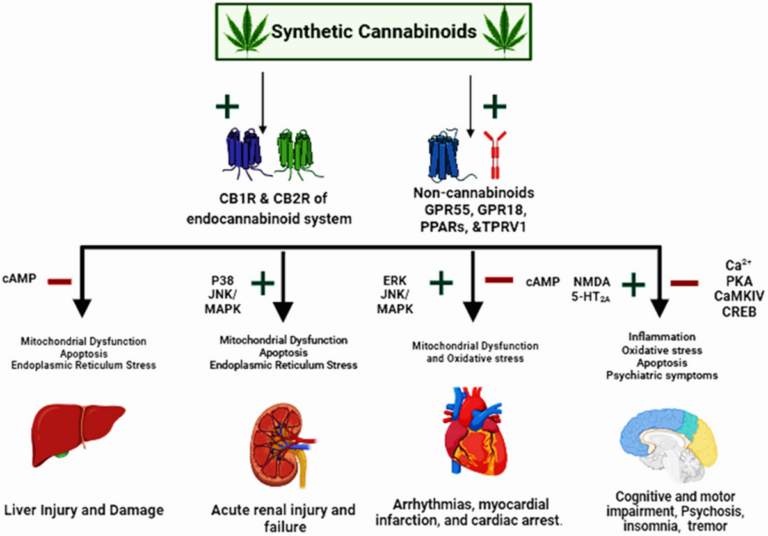
Synthetic cannabinoids can be associated with severe anxiety, agitation, confusion, hallucinations, seizures, chest pain, dangerously rapid heart rate, loss of consciousness, and other medical emergencies. Risk may increase when the product contains an unknown concentration, multiple active compounds, contaminants, or substances that interact with alcohol or prescription medication.
Unlike regulated medicines, illicit or mislabeled products may not undergo consistent manufacturing controls. A name such as “herbal incense,” “potpourri,” or “not for human consumption” does not explain what chemicals are present. It may only reflect an attempt to avoid a particular regulatory category.
What changing rules mean for consumers
When laws change, people may assume that a product recently appearing in stores has passed a safety review. That assumption is unreliable. Retail availability can result from delayed enforcement, inconsistent screening, a seller operating outside the law, or a product being marketed under an inaccurate description.
Consumers should avoid treating packaging, online reviews, or product names as proof of identity. Reports that a product is “stronger,” “cleaner,” or “similar to cannabis” are not substitutes for independent laboratory testing, and even a test result applies only to the specific sample tested.
People should also be cautious about purchasing or transporting unfamiliar cannabinoid products across state lines. A shipment can be affected by the laws of the origin state, destination state, carrier rules, federal restrictions, and the chemical composition of the material. If a product is described as a research chemical, it should not be assumed to be lawful for personal use.
For general site navigation and related educational material, the post index can help readers identify newer articles and distinguish them from older pages that may discuss outdated legal conditions.
What changing rules mean for retailers and online sellers
Retailers face risks beyond possession. Advertising a synthetic cannabinoid for human consumption, making unsupported health claims, shipping across prohibited jurisdictions, or failing to maintain accurate ingredient records can create regulatory and civil exposure.
Businesses should verify applicable federal and state requirements before listing a product. Responsible compliance practices may include documented supplier information, batch records, independent testing where appropriate, age controls, accurate product descriptions, and a process for removing products after a legal or safety alert.
Retailers should never rely solely on a supplier’s statement that a product is “legal in all 50 states.” Such claims are especially problematic for compounds that are newly identified, chemically modified, or marketed through vague categories such as incense or research use.
How to follow K2 legal status changes responsibly
Because rules can change quickly, use a layered approach to verification:
- Check the current controlled-substance and analogue laws in the relevant state.
- Review official state health-department or attorney-general notices for product warnings and recalls.
- Confirm whether a federal announcement is a final rule, a proposal, guidance, or merely a legislative discussion.
- Separate reports about regulated cannabis from reports about synthetic cannabinoid enforcement.
- Look for the chemical name and testing information instead of relying on a brand name.
- Do not interpret online availability as evidence of legality or safety.
Readers can also use the site’s main information hub to locate updated material, while remembering that legal advice should come from a qualified attorney familiar with the applicable jurisdiction.
What to do if someone may be experiencing a reaction
If someone develops a seizure, severe agitation, hallucinations, chest pain, trouble breathing, extreme overheating, collapse, or cannot be awakened after using a suspected synthetic cannabinoid, call 911 immediately. Do not make the person vomit, leave them alone, or attempt to counteract the substance with alcohol, cannabis, stimulants, or other drugs.
Tell emergency responders what was taken, when it was taken, and whether other substances may be involved. If packaging is available, keep it for responders without handling any powder or liquid unnecessarily. Poison-control services can also provide guidance in the United States, but emergency symptoms require immediate medical attention.
Frequently asked questions
Does a change in federal cannabis law make K2 legal?
No. A policy change involving cannabis, hemp, or THC does not automatically legalize synthetic cannabinoids sold as K2 or Spice. The chemical identity and applicable federal and state laws must be evaluated separately.
Can K2 be legal in one state and illegal in another?
Yes. States may classify synthetic cannabinoid compounds differently, and local rules may add restrictions. Interstate shipment can raise additional legal questions even when a seller advertises nationwide delivery.
Is “not for human consumption” a legal protection?
Not necessarily. A disclaimer does not override controlled-substance laws, consumer-protection rules, or evidence showing that a product was marketed for intoxication. It also provides no assurance about safety.
Are synthetic cannabinoids the same as hemp-derived THC?
No. They are different product categories with different chemical profiles, legal treatment, and risk patterns. Similar marketing language or cannabis imagery does not make them equivalent.
Why do K2 products sometimes have different effects from one package to another?
Illicit manufacturing, uneven application of active chemicals, changing formulas, contamination, and inaccurate labeling can all produce inconsistent effects. This variability is a major reason that product names and user reviews cannot reliably predict outcomes.
The practical takeaway
K2 legal status changes should be read as a regulatory and public-health issue, not as a signal that synthetic cannabinoids have become safe. Cannabis policy, hemp commerce, research chemicals, and Spice-type products occupy different legal and chemical categories. When a headline appears to blur those distinctions, look beyond the marketing language and ask what substance, jurisdiction, and legal action are actually involved.
The safest approach is to avoid unknown synthetic cannabinoid products, treat online legality claims with skepticism, and seek emergency help for serious symptoms. Clear information and careful legal verification are more reliable than product names, packaging, or claims that a substance is simply a “legal high.”