K2 in Correctional Facilities: Why Synthetic Cannabinoids Create Unique Safety Challenges
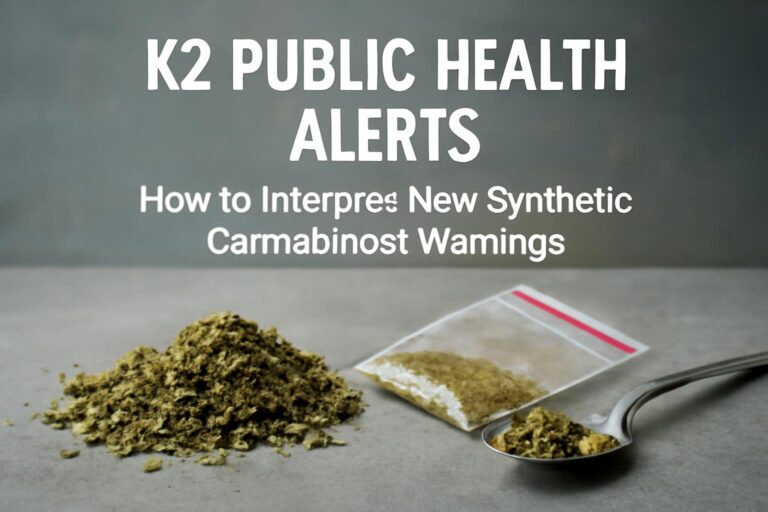
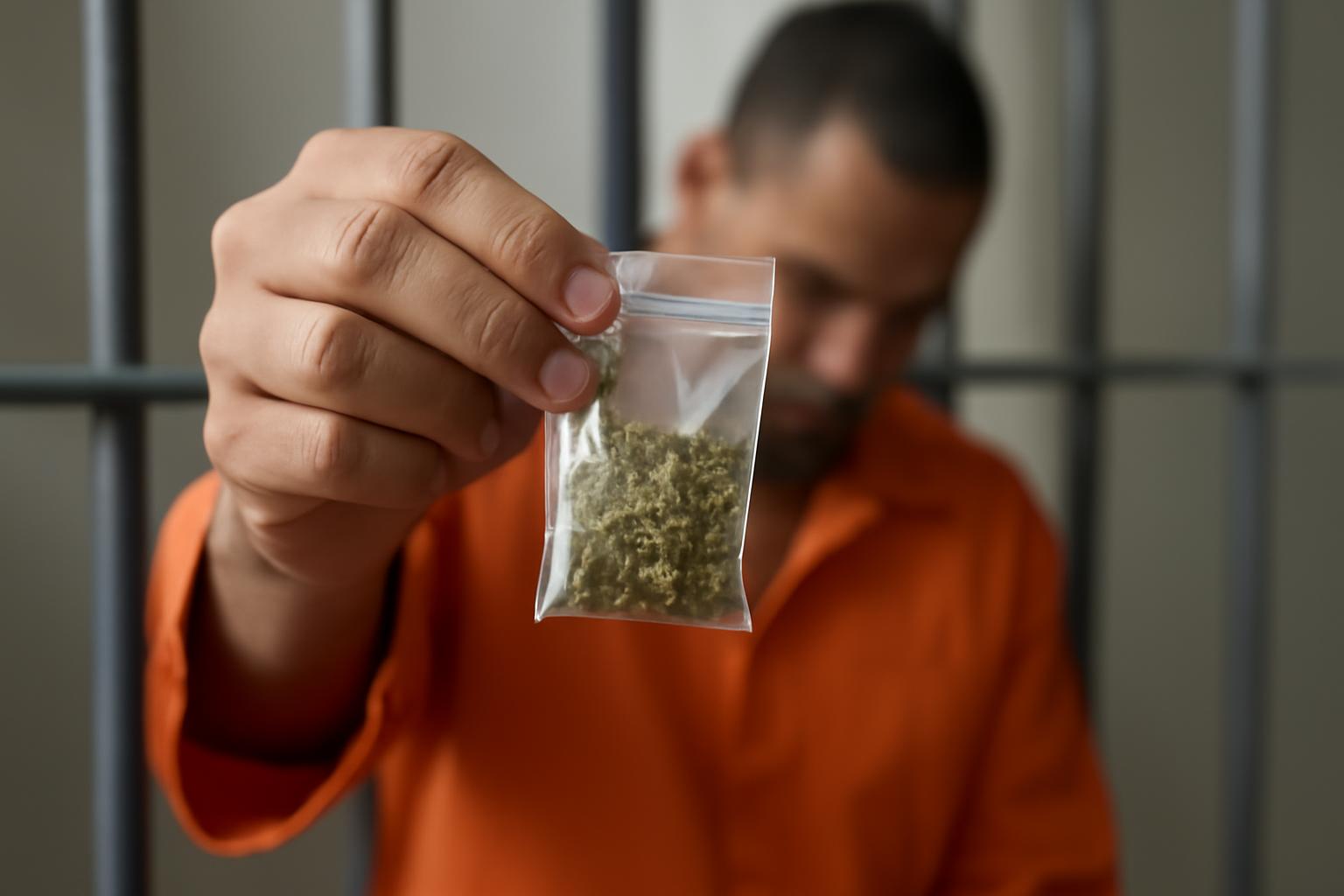
K2 correctional facility risks remain a serious public-health and security concern in the United States. Synthetic cannabinoids are often called K2, Spice, or “fake weed,” but those names can create a misleading impression. These products are not simply weaker or more predictable versions of cannabis. They may contain changing laboratory-made chemicals, uneven concentrations, contaminants, or substances that are not disclosed on the packaging.
Recent cannabis policy headlines have renewed public discussion about drug enforcement and workplace rules. However, changes involving cannabis do not make synthetic cannabinoids safer, more consistent, or automatically legal. In correctional facilities, the consequences can be amplified by crowded living conditions, limited medical resources, restricted access to emergency care, and the difficulty of identifying what a person has actually consumed. K2 Correctional Facility Risks: Safety, Detection, and Prevention
This guide explains why K2 and Spice are particularly challenging in jails and prisons, what warning signs staff and families should understand, and which prevention principles support safer responses.
Why K2 is different from cannabis
Cannabis products contain naturally occurring cannabinoids, while K2 products typically involve synthetic chemicals designed to affect the same broad receptor system. The comparison ends there. Many synthetic cannabinoids can activate cannabinoid receptors more intensely than THC, and product formulas can change rapidly as manufacturers attempt to avoid legal controls or respond to market demand.
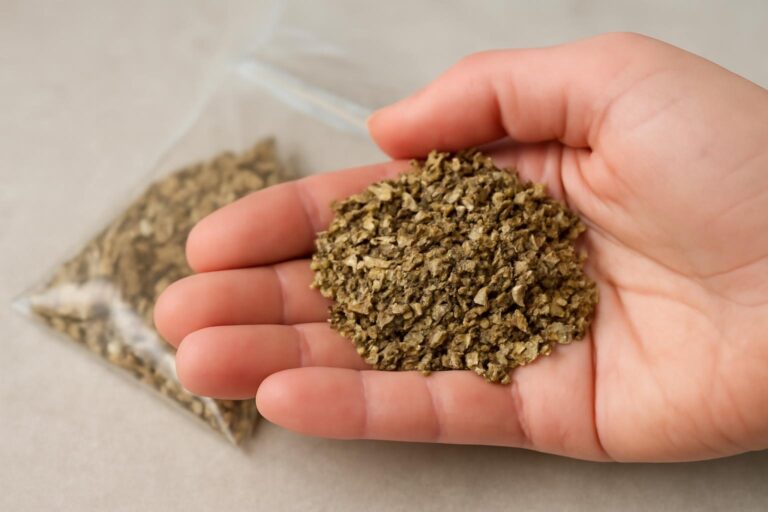
A package may be labeled herbal incense, potpourri, or another non-consumable product, but the label does not reliably reveal the chemical content. Two packages with the same brand name may contain different compounds. Even material from the same package may not be evenly distributed, increasing the possibility of unexpectedly strong exposure.
For correctional health teams, this uncertainty matters. A clinician cannot safely assume that a person reporting K2 use experienced the same effects as someone who used a product with the same name previously. Treatment decisions must focus on symptoms, vital signs, possible co-exposures, and the person’s medical history.
Key K2 correctional facility risks
Unpredictable medical emergencies
Synthetic cannabinoid exposure has been associated with agitation, confusion, hallucinations, panic, vomiting, rapid heart rate, high blood pressure, seizures, loss of consciousness, and severe psychiatric symptoms. Some people may become unusually drowsy or unresponsive, while others become combative or extremely fearful.
These effects can resemble mental-health crises, stimulant toxicity, withdrawal, head injury, or other medical emergencies. In a secure setting, a person’s behavior may initially be interpreted as disciplinary rather than medical. That delay can increase the danger to the individual, other residents, and responding staff.
Rapid changes in condition
K2 intoxication may develop quickly and can fluctuate. A person who appears alert during an initial check may later become confused, have difficulty breathing, suffer a seizure, or lose consciousness. Continuous observation and prompt clinical escalation are therefore more important than relying on a single assessment.
Correctional facilities should have clear protocols for repeated vital-sign checks, emergency transport, seizure response, airway protection, and documentation of possible substance exposure. These procedures should be practiced before an incident occurs rather than improvised during a crisis.
Exposure through contaminated materials
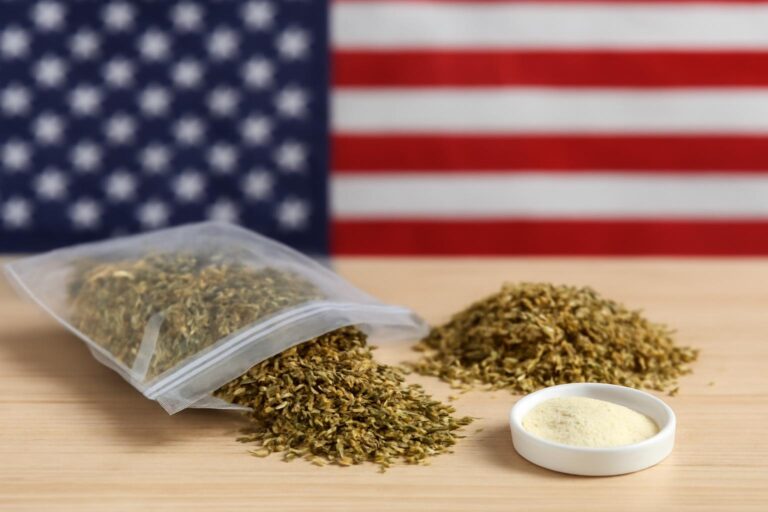
Incarcerated people may encounter synthetic cannabinoids on paper, plant material, powders, liquids, or improvised items. The appearance of a material does not reliably indicate its strength or contents. Handling contaminated items can create concerns for staff, visitors, and other residents, particularly if residue reaches the mouth, eyes, or broken skin.
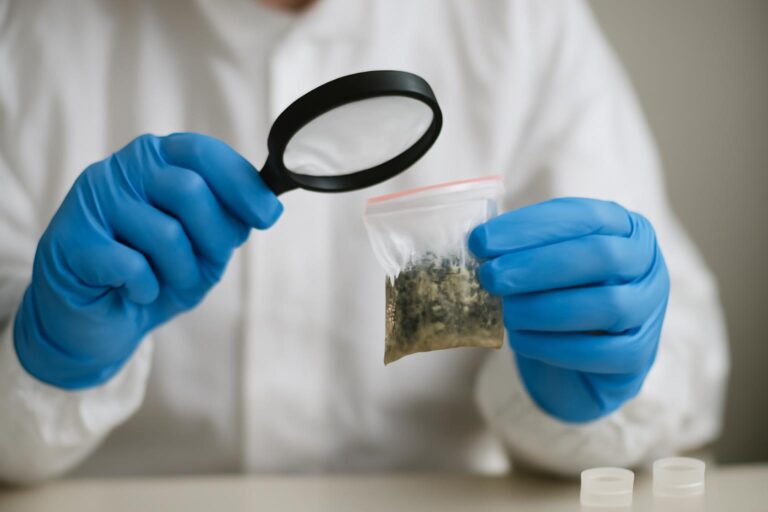
Facilities should avoid unnecessary handling of unknown materials. Staff should follow established personal-protective-equipment and evidence-handling procedures, isolate suspicious items according to policy, and request medical or hazardous-material guidance when exposure is possible.
Behavioral and security consequences
Severe anxiety, paranoia, hallucinations, and disorientation can lead to self-harm, fights, property damage, escape attempts, or refusal of care. These behaviors may appear intentional even when they are driven by intoxication or delirium.
A balanced response separates immediate safety needs from later disciplinary or investigative decisions. Restraint, isolation, or force may sometimes be necessary to prevent harm, but they should follow medical assessment and facility policy. A health emergency should not be treated as misconduct alone.
Why detecting K2 is difficult
Routine drug screens generally do not identify the constantly changing range of compounds sold as synthetic cannabinoids. A negative result on a standard panel does not prove that a person was not exposed to K2. It may simply mean that the test was not designed to detect the relevant substance.
Specialized laboratory testing can identify certain compounds or metabolites, but it may be expensive, unavailable, or too slow to guide immediate care. For that reason, clinical teams should treat the symptoms and circumstances as the primary evidence during an emergency rather than waiting for a toxicology result.
Detection limitations also affect investigations. A facility may need to document packaging, timing, witness accounts, symptoms, medical observations, and chain-of-custody details. Testing can support an investigation, but it should not replace careful clinical documentation.
How K2 enters facilities
There is no single route. Synthetic cannabinoids may be concealed in mail, transferred through visitors, introduced by staff or contractors, or distributed in small quantities that are difficult to identify during routine searches. Paper products and sprayed materials can be especially challenging because they may resemble ordinary documents or refuse.
Prevention should therefore use multiple layers rather than relying on one screening method. Facilities may review mail procedures, visitor controls, staff education, intelligence reporting, medical incident patterns, and approved detection technologies. Policies should be updated when new concealment methods or chemical trends emerge.
Overly broad assumptions can also create problems. Not every herbal product, odor, or piece of paper is contaminated. Evidence-based procedures reduce unnecessary exposure, protect due process, and help staff focus on credible safety threats. Readers can explore the site’s broader educational and product information, but any suspected synthetic cannabinoid exposure should be handled under local medical and facility protocols. K2 Correctional Facility Risks: Safety, Detection, and Prevention
Prevention priorities for facilities
Train staff to recognize medical signs
Training should cover altered mental status, seizures, chest pain, breathing problems, extreme agitation, overheating, collapse, and sudden changes in behavior. Staff should understand that K2 intoxication can be inconsistent and that a person may deny use or be unable to provide reliable information.
Use a medical-first response
Protocols should make it easy to request medical assistance without waiting for disciplinary review. Emergency responders need access to basic information, including the person’s symptoms, approximate exposure time, known medical conditions, medications, and any material recovered nearby.
Strengthen communication between departments
Security, medical, mental-health, pharmacy, and administration teams should share trend information while protecting patient privacy. A cluster of unexplained seizures, panic episodes, or sudden behavioral changes may indicate a contaminated product or a new distribution pattern.
Educate residents and families
Clear education can correct the belief that K2 is ordinary marijuana or a harmless legal high. Materials should explain that product names, colorful packaging, and “not for human consumption” disclaimers do not establish safety. Families should also know that sending unknown powders, liquids, or treated paper can create serious health and legal consequences.
What families should know
Family members who receive a call about possible K2 exposure should encourage immediate medical evaluation rather than attempting to diagnose the situation. Helpful information includes the reported product name, packaging description, time of use, symptoms, medications, and any history of seizures or heart problems.
If a person is unconscious, having a seizure, struggling to breathe, experiencing severe chest pain, or displaying extreme confusion, staff should activate the facility’s emergency process immediately. Families should not attempt to send remedies or materials intended to counteract the effects.
How policy headlines can cause confusion
News about cannabis bans, legalization, workplace disputes, or state-level reforms can be difficult to interpret. Cannabis policy and synthetic cannabinoid policy are related but not interchangeable. A state decision affecting marijuana does not create a safe harbor for K2, and a product marketed as incense does not become lawful for consumption because it is sold online or in a smoke shop.
Correctional facilities must follow applicable federal, state, and local rules, along with their own security and medical policies. Consumers and families should check current official guidance rather than relying on social-media claims, old product descriptions, or packaging language.
For additional site navigation, the category index and post index provide access to related educational topics. Neither product labeling nor an online listing should be treated as medical or legal advice.
Frequently asked questions
Is K2 the same as marijuana?
No. K2 is a common name for products containing synthetic cannabinoids. Their chemistry, potency, manufacturing quality, and health effects can differ substantially from cannabis.
Can a standard drug test detect Spice?
Often, no. Many routine panels do not test for the changing compounds used in synthetic cannabinoid products. A negative standard screen cannot rule out exposure.
Why might K2 cause more severe behavior than cannabis?
Some synthetic cannabinoids activate cannabinoid receptors more strongly, while uneven application and unknown additives can increase uncertainty. Individual health conditions and co-use with other substances also affect the response. K2 Correctional Facility Risks: Safety, Detection, and Prevention
What should staff do when someone may have used K2?
Follow the facility’s emergency and medical protocols, assess immediate threats to breathing and consciousness, request qualified medical assistance, monitor changes, and preserve relevant information without unnecessarily handling unknown materials.
Does a “herbal incense” label mean a product is safe?
No. The term may describe packaging or marketing rather than verified contents. A non-consumable disclaimer does not establish purity, predictable potency, or safety.
The bottom line
K2 correctional facility risks arise from a combination of uncertain chemistry, difficult detection, rapid medical changes, and challenging security conditions. The most effective response is not to depend on labels or routine drug screens. It is to combine prevention, staff education, medical-first protocols, careful documentation, and current legal guidance.
Anyone who may have been exposed to a synthetic cannabinoid should receive prompt professional evaluation, especially when confusion, seizures, chest pain, breathing problems, collapse, or severe agitation are present. K2 is not a predictable substitute for cannabis, and treating it as one can place both individuals and entire facilities at risk.