K2 Public Health Alerts: How to Interpret New Synthetic Cannabinoid Warnings
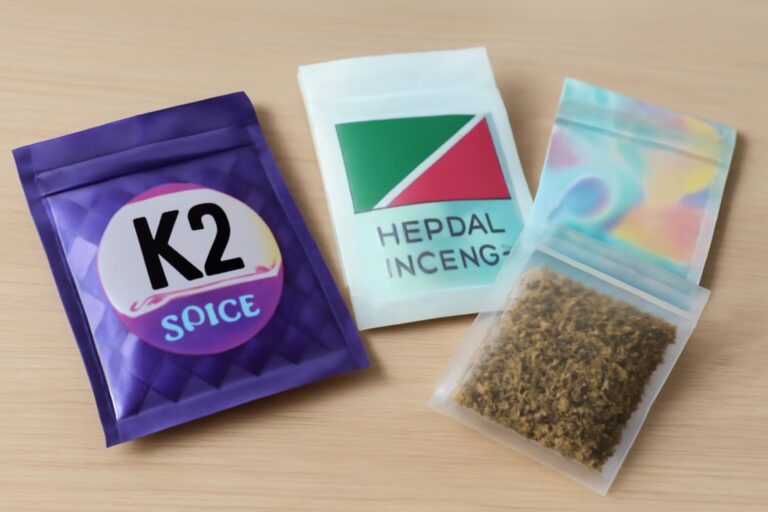
K2 public health alerts deserve careful attention because synthetic cannabinoid products can change from one batch to the next. A package may use familiar language such as “herbal incense,” “potpourri,” or “not for human consumption,” yet the material inside may contain powerful laboratory-made chemicals with very different effects.
Recent drug enforcement and public health reporting continues to show why synthetic cannabinoids remain a concern beyond any single city or country. News about drug seizures, toxicology findings, and community responses can reveal broader patterns: products may be misrepresented, compounds can be replaced rapidly, and an alert may not cover every version of a product already in circulation.
This guide explains how to read a K2 warning, what information matters most, and what to do if someone may have been exposed. It is educational information, not a diagnosis or substitute for emergency medical care.
What is a K2 public health alert?
A public health alert is a formal warning that a substance, product, or pattern of illness may create an unusual or serious risk. Alerts can be issued by local or state health departments, poison control programs, hospitals, medical examiners, law enforcement agencies, or other public safety organizations. K2 Public Health Alerts and safety information!
A warning may follow several types of evidence, including:
- A cluster of emergency department visits involving similar symptoms.
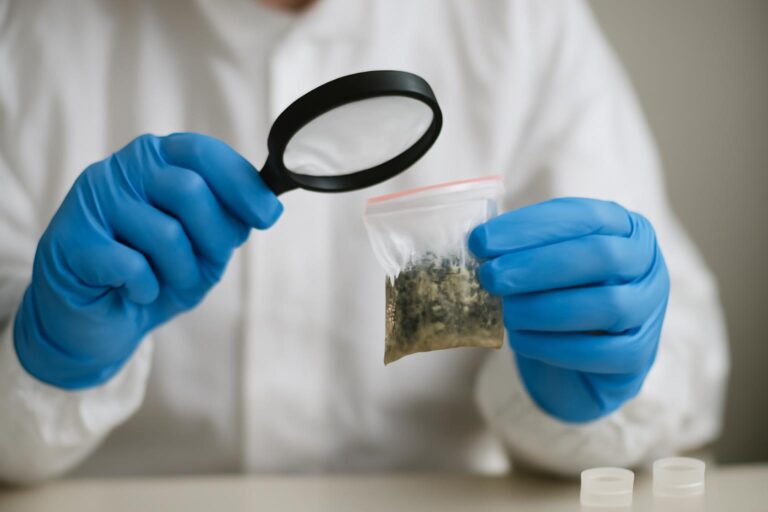
- Laboratory testing that identifies a potent or unexpected synthetic cannabinoid.
- Reports of severe agitation, seizures, unconsciousness, or breathing problems.
- Evidence that a product contains a different chemical than its label suggests.
- A seizure involving packaging or branding associated with previous exposures.
- Deaths or serious injuries potentially connected with a contaminated or unusually concentrated batch.
An alert does not necessarily mean every product with a similar name contains the same compound. It does mean consumers, caregivers, clinicians, and community organizations should treat the affected product category as unpredictable until more information is available.
Why synthetic cannabinoid warnings can change quickly
Synthetic cannabinoids are not one single drug. They are a broad group of chemicals designed to interact with cannabinoid receptors. Some can produce cannabis-like effects, but many are substantially more potent or behave differently in the body. Manufacturers and distributors may also alter formulas to avoid detection or respond to changing laws.
That rapid turnover creates several problems:
Product names are not reliable chemical identifiers
Names such as K2, Spice, fake weed, legal high, or herbal incense describe a market category rather than a verified ingredient. The same brand name can be used for different batches, and products with different names can contain the same chemical.
Appearance cannot show potency
Color, texture, scent, packaging, and the presence of dried plant material do not establish what substance is present or how concentrated it may be. A product that appears ordinary can still contain enough active chemical to cause a medical emergency.
Routine testing may not identify the compound
Standard workplace or clinical drug screens often do not test for the constantly changing range of synthetic cannabinoids. Specialized laboratory analysis may be needed, and even then, testing can take time. A negative routine test should not be treated as proof that an exposure did not occur.
For background on terminology and risk factors, readers can review the educational material available through the Insense High homepage, while remembering that product descriptions and informal labels cannot replace laboratory confirmation or medical advice.
How to read a new K2 warning
When an alert appears online or in the news, look beyond the headline. The most useful details usually include the location, date range, product description, symptoms reported, number of affected people, and whether laboratory testing has confirmed a compound.
Check the geographic scope
Some warnings apply to one neighborhood, facility, or batch. Others describe a wider trend. A local alert may still matter elsewhere because products can move through online marketplaces and informal distribution networks, but it should not automatically be presented as proof that every state is experiencing the same event.
Check the date
Synthetic cannabinoid information becomes outdated quickly. Confirm when the incident occurred and when the notice was published or updated. An older warning can remain useful for recognizing symptoms, but it may not describe the chemicals in a newer product.
Separate confirmed facts from preliminary reports
Early reports may use cautious language such as “suspected,” “possibly linked,” or “under investigation.” That wording matters. It means investigators have not yet established a definitive chemical or cause. Responsible reporting preserves that uncertainty rather than turning a preliminary association into a proven conclusion.
Look for practical instructions
A useful alert should explain what the public should do. It may recommend avoiding a named product, contacting poison control, seeking emergency care for specific symptoms, or preserving packaging for investigators. If a post contains only dramatic claims, sales language, or anonymous screenshots, treat it cautiously.
Common symptoms associated with synthetic cannabinoid exposure
Effects can vary considerably depending on the chemical, concentration, route of exposure, other substances involved, and the person’s health. Reported symptoms may include:
- Extreme anxiety, panic, confusion, or paranoia.
- Agitation, aggression, hallucinations, or unusual behavior.
- Rapid heartbeat, chest discomfort, or high blood pressure.
- Nausea, vomiting, sweating, or severe dizziness.
- Tremors, muscle rigidity, or loss of coordination.
- Seizures or loss of consciousness.
- Slow, irregular, or difficult breathing.
Not every symptom is specific to K2. Similar signs can result from stimulants, opioids, toxic alcohols, medications, medical conditions, or combinations of substances. That is why an evaluation by trained professionals is important.
What to do during a suspected exposure
If someone is unconscious, having a seizure, struggling to breathe, experiencing severe chest pain, or behaving in a way that creates immediate danger, call 911 in the United States. Do not wait for a product test or online confirmation.
While waiting for help:
- Move obvious hazards away from the person if it is safe to do so.
- Keep the person in a visible, monitored area.
- If they are unconscious but breathing, place them on their side when possible to help protect the airway.
- Do not force food, drinks, medications, or additional substances.
- Do not attempt to make the person vomit.
- Tell emergency responders what may have been used, when it was used, and whether alcohol or other drugs may be involved.
- Keep the original package or remaining material available for responders, but avoid handling loose powder or residue unnecessarily.
If the situation is not immediately life-threatening, Poison Control can provide guidance in the United States at 1-800-222-1222. Emergency symptoms should always take priority over a telephone consultation.
Why labels and “legal high” claims are misleading
Marketing terms such as “legal,” “natural,” “research chemical,” or “not for human consumption” do not establish safety. Legal status can differ by state and can change after a new compound is identified. A disclaimer also does not reveal the actual ingredients, dose, contaminants, or interactions.
Consumers should be especially cautious when a seller:
- Promises a predictable effect without providing credible batch testing.
- Uses several names for the same product or refuses to identify ingredients.
- Claims a product is safe because it is sold as incense or labeled for non-consumption use.
- Encourages experimentation, unusually large quantities, or mixing with other substances.
- Uses public health language to imply endorsement by a government agency.
For site navigation and broader category context, the category index and post index may help readers locate related material. These indexes should be viewed as website navigation, not as medical or regulatory certification of any product.
How communities can respond to new alerts
Public health warnings are most useful when communities share accurate information without spreading panic. Schools, shelters, families, healthcare workers, and community organizations can focus on recognition and rapid response rather than trying to identify a product by appearance.
Practical steps include updating staff on emergency procedures, keeping poison control information accessible, documenting suspected exposures, and reporting unusual clusters to local health authorities. Clinicians may also need to ask about products sold as incense, potpourri, or “legal highs,” because patients may not use the term K2.
Caregivers should avoid judgmental questioning. A calm conversation can produce more accurate information about timing, symptoms, co-use of alcohol or medications, and the product’s packaging. That information can help emergency personnel make safer decisions.
Frequently asked questions
Does a K2 alert mean every synthetic cannabinoid product is identical?
No. Synthetic cannabinoids include many different chemicals, and products can vary by batch. An alert should be taken seriously, but its confirmed findings should not be generalized beyond the available evidence.
Can someone identify K2 by smell or appearance?
No reliable visual or sensory test can identify the chemical, potency, or contamination level. Laboratory analysis is required for meaningful identification.
Can a person test negative for drugs after using K2?
Yes. Many routine drug screens do not include synthetic cannabinoids. A negative result does not rule out exposure or explain away serious symptoms.
Is synthetic cannabinoid exposure always fatal?
No, but it can be medically serious and unpredictable. Some people recover with supportive care, while others experience seizures, heart complications, severe psychiatric symptoms, or death. Treat alarming symptoms as an emergency.
Where can people find trustworthy updates?
Use current notices from public health departments, poison control services, hospitals, and other recognized medical or government organizations. Compare the publication date, location, evidence, and instructions before sharing a warning.
The most important takeaway
K2 public health alerts are not simply news stories about a particular brand. They are reminders that synthetic cannabinoid products can be mislabeled, chemically inconsistent, and capable of causing rapidly changing medical effects. The safest response is to verify the alert, avoid relying on packaging claims, recognize emergency symptoms, and seek professional help quickly when exposure is suspected.
Education can reduce delay and confusion, but it cannot make an unidentified synthetic cannabinoid predictable. When in doubt—especially when breathing, consciousness, seizures, chest pain, or severe agitation are involved—contact emergency services immediately.