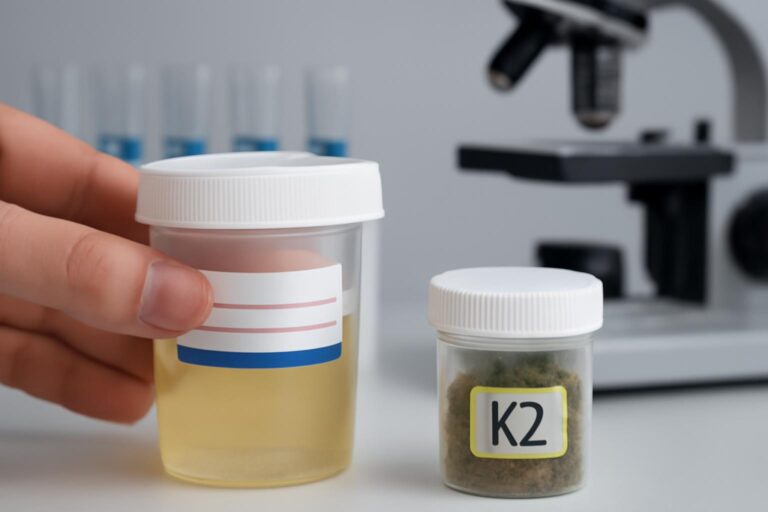
Synthetic Cannabinoid Withdrawal: Symptoms, Timeline, and Support Options
Synthetic cannabinoid withdrawal can be difficult to recognize because K2, Spice, and related products are not made from one consistent formula. Products sold under similar names may contain different laboratory-made chemicals, varying concentrations, or unexpected contaminants. As a result, withdrawal symptoms and their intensity can differ substantially from one person to another.
This guide explains what withdrawal may look like, why the experience is unpredictable, how long symptoms can last, and which forms of support may reduce risk. It is educational information—not a diagnosis or substitute for medical care. If someone is having a medical emergency, call 911 in the United States.
For broader background, readers can also explore the main Insense High site and its educational content index. Product names and marketing descriptions should never be treated as proof that a substance is safe, natural, or accurately labeled.
What is synthetic cannabinoid withdrawal?
k2 Withdrawal is the group of physical, emotional, and behavioral symptoms that may occur when a person reduces or stops repeated use of a substance. With synthetic cannabinoids, withdrawal may develop after frequent use, especially when a person uses multiple times per day, relies on a high-potency product, or has been using for an extended period.
Synthetic cannabinoids interact with the body’s cannabinoid receptors, but they are not equivalent to cannabis. Some compounds may activate these receptors more strongly or for longer than THC. Other products may contain several active ingredients. That variability helps explain why one person may report mild restlessness while another experiences severe anxiety, insomnia, vomiting, agitation, or confusion.
Withdrawal is also different from intoxication, poisoning, or an overdose. Symptoms can overlap, however, and it may be impossible to determine the cause at home. When symptoms are sudden, severe, or unusual, obtaining medical evaluation is the safest choice.
Common synthetic cannabinoid withdrawal symptoms
Reported symptoms can range from mild to severe. Not everyone experiences the same pattern, and symptoms may appear in waves rather than all at once.
Emotional and mental symptoms
- Anxiety, nervousness, or a feeling of impending danger
- Irritability, anger, or emotional volatility
- Restlessness and difficulty relaxing
- Low mood or loss of interest in normal activities
- Intense cravings or preoccupation with using again
- Difficulty concentrating or feeling mentally slowed
- Disturbing dreams, nightmares, or sleep-related anxiety
In some cases, people report panic, paranoia, hallucinations, or severe confusion. These symptoms should not automatically be assumed to be ordinary withdrawal. They can signal intoxication, a co-occurring mental health crisis, sleep deprivation, or another medical problem and require prompt professional assessment.
Physical symptoms
- Sweating, chills, or temperature sensitivity
- Headache or muscle aches
- Nausea, abdominal discomfort, vomiting, or reduced appetite
- Tremors or a feeling of internal shakiness
- Fatigue and low energy
- Rapid heartbeat or awareness of the heartbeat
- Sleep disruption or an inability to stay asleep
Some people may also experience diarrhea, increased sensitivity to light or sound, or generalized discomfort. Dehydration can make several symptoms feel worse, particularly when vomiting, sweating, or poor appetite is present.
Why withdrawal from K2 and Spice can be unpredictable
The term “synthetic cannabinoid” describes a broad family of chemicals rather than a single standardized drug. Formulas can change over time, and two packages with similar branding may contain different active compounds. Labels such as “herbal incense,” “potpourri,” “legal high,” or “not for human consumption” do not establish the contents or eliminate health risks.
Several factors may influence the withdrawal experience:
- Frequency of use: Repeated daily use may increase the likelihood of withdrawal symptoms.
- Product potency: Stronger or unevenly treated material can produce greater exposure.
- Duration of use: Longer periods of regular use may be associated with more persistent sleep, mood, or craving symptoms.
- Other substances: Alcohol, stimulants, opioids, sedatives, cannabis, prescription medicines, and supplements can complicate symptoms.
- Personal health: Heart conditions, seizure disorders, anxiety disorders, depression, and other conditions may affect risk.
- Unknown ingredients: Adulterants or contaminants can create symptoms that do not fit a typical withdrawal pattern.
Because products are inconsistent, online anecdotes and product reviews cannot reliably predict what another person will experience. A product’s color, smell, packaging, or brand name is not a dependable safety test.
How long does synthetic cannabinoid withdrawal last?
There is no universal withdrawal timeline for K2 or Spice withdrawal symptom. Some symptoms may begin within hours to a day after the last use, while others may become more noticeable over the next several days. Sleep disturbance, irritability, low mood, and cravings can sometimes continue for days or weeks, particularly after frequent or prolonged use.
A general pattern may look like this:
- Early phase: Restlessness, anxiety, sweating, nausea, cravings, or insomnia may appear soon after reducing or stopping use.
- Peak discomfort: Symptoms may intensify over the following days, although timing varies widely.
- Recovery phase: Physical symptoms may improve first, while disrupted sleep, mood changes, and cravings last longer.
This outline is not a prediction or a safe home detox plan. Severe symptoms, repeated vomiting, chest discomfort, fainting, seizures, extreme agitation, or confusion should be treated as urgent medical concerns regardless of when they begin.
When synthetic cannabinoid withdrawal requires urgent help
Call 911 or seek emergency care immediately if a person has trouble breathing, collapses, cannot be awakened, has a seizure, develops chest pain, has a dangerously fast or irregular heartbeat, becomes severely confused, or behaves in a way that suggests an immediate risk of harm.
Urgent help is also appropriate for severe agitation, hallucinations, suicidal thoughts, uncontrolled vomiting, signs of dehydration, or a high temperature accompanied by confusion or muscle rigidity. Do not leave the person alone while waiting for help. Keep the environment quiet and remove obvious hazards, but do not attempt to restrain someone unless necessary to prevent immediate injury.
A person who may have taken several substances should tell emergency clinicians what was used, approximately when it was used, and whether any medicines or alcohol were involved. Honest information helps clinicians make safer decisions. Bringing packaging, if available, may also provide useful clues, but do not delay emergency care while searching for it.
Safer support during recovery
People experiencing mild symptoms may benefit from practical support, but home care should not replace professional evaluation when symptoms are escalating or uncertain. Helpful steps can include:
- Stay with a trusted, sober support person when possible.
- Drink small amounts of water or an appropriate electrolyte beverage if able to keep fluids down.
- Choose simple foods as tolerated rather than forcing a large meal.
- Rest in a cool, calm, low-stimulation environment.
- Avoid alcohol, non-prescribed sedatives, stimulants, and other drugs.
- Do not drive, operate machinery, or supervise children while impaired, confused, or severely sleep-deprived.
- Arrange an appointment with a healthcare professional, addiction specialist, or mental health provider.
It is generally unsafe to self-medicate withdrawal with someone else’s prescription medication. Sedatives and other drugs can interact unpredictably with substances already in the body, and they may create a new dependence problem.
Planning a professional evaluation
A clinician may ask about the product name, route of use, frequency, last use, other substances, medical history, sleep, mood, and any previous withdrawal episodes. They may check vital signs and hydration and decide whether laboratory testing or observation is appropriate. Standard drug screens may not identify many synthetic cannabinoids, so a negative routine test does not prove that exposure did not occur.
Professional support can be especially important when a person has tried to stop before and returned to use, cannot sleep for several nights, has severe anxiety or depression, or is using to avoid withdrawal symptoms. Treatment may involve medical monitoring, counseling, behavioral support, and care for co-occurring mental health conditions.
In the United States, people can contact 988 for immediate emotional crisis support or use the national treatment referral resources provided by public health agencies. Local emergency departments, primary-care offices, community mental health centers, and addiction treatment programs can also help identify an appropriate level of care.
Reducing the risk of returning to use
Cravings often become linked to specific people, places, emotions, or routines. A written plan can make the first days of recovery more manageable. Identify situations that increase risk, remove products and related materials from the living space, and choose a person to call before acting on a craving.
Sleep recovery may take time. Keeping a regular wake time, limiting late-day caffeine, reducing screen exposure before bed, and using a quiet nighttime routine may help. If insomnia is severe or continues, discuss it with a clinician rather than relying on alcohol or unapproved medications.
Recovery support should address more than the substance itself. Anxiety, trauma, depression, housing instability, chronic pain, and social pressure can all contribute to repeated use. Counseling, peer-support groups, and practical assistance may improve the chance of sustained recovery.
Questions to ask about K2, Spice, and product claims
Marketing language can create confusion. Terms such as “natural,” “herbal,” “legal,” “research chemical,” and “not for human consumption” describe branding or intended-market language—not a guarantee of composition or safety. Products sold as incense or potpourri may still contain compounds capable of causing serious effects.
When reviewing information online, consider whether the page clearly distinguishes verified facts from customer anecdotes, acknowledges changing formulas, and explains uncertainty. The site’s post index can help readers locate additional educational material, while the product index shows why product names and formats alone should not be interpreted as medical information or safety certification.
Frequently asked questions
Can synthetic cannabinoid withdrawal be dangerous?
It can be. Severe agitation, psychosis-like symptoms, seizures, heart symptoms, dehydration, and suicidal thinking require urgent evaluation. Because the contents of products are often uncertain, serious symptoms should not be dismissed as routine withdrawal.
Is withdrawal the same as a K2 overdose?
No. Withdrawal follows a reduction or stop in repeated use, while poisoning or overdose usually involves harmful intoxication or exposure. The symptoms can overlap, and a person may need medical assessment to distinguish them.
Can someone stop using K2 safely without medical help?
Some people experience manageable symptoms, but there is no way to predict risk from a product label or brand name. Medical advice is particularly important after heavy use, repeated failed attempts to stop, severe insomnia, mental health symptoms, or use of other substances.
Does a negative drug test rule out synthetic cannabinoid exposure?
No. Many routine drug screens do not detect newer or less common synthetic cannabinoids. Test results should be interpreted by a qualified healthcare professional alongside symptoms and exposure history.
The most important takeaway
Synthetic cannabinoid withdrawal is variable because K2 and Spice products do not follow a consistent formula. Anxiety, insomnia, cravings, nausea, sweating, irritability, and mood changes may occur, but severe confusion, seizures, chest symptoms, breathing problems, uncontrolled vomiting, or suicidal thoughts require immediate help.
When in doubt, choose professional evaluation over guesswork. Clear information, sober support, and timely medical care can reduce the risks associated with stopping synthetic cannabinoid use and support a safer path toward recovery.