K2 and Polysubstance Use: Why Mixing Synthetic Cannabinoids Raises the Risk
K2 polysubstance use risks are easy to underestimate. Synthetic cannabinoids are already unpredictable because products sold as K2, Spice, fake weed, or herbal incense may contain different chemicals and concentrations from one package to another. Combining them with other substances adds another layer of uncertainty.
Alcohol, opioids, stimulants, sedatives, cannabis, and some prescription medicines can change how a person responds to a synthetic cannabinoid. The result may be extreme sedation, agitation, rapid heart rate, seizures, overheating, breathing problems, or a sudden loss of consciousness. A person may also have more than one substance in their system without realizing it.
This is an evergreen safety guide, not a claim that polysubstance use is currently trending. Its purpose is to explain why mixing substances makes K2-related emergencies more difficult to predict and why professional medical help should be sought quickly.
What does polysubstance use mean?
Polysubstance use means using more than one psychoactive substance during the same period. The substances may be taken together, used hours apart, or consumed through products that contain undisclosed ingredients.
Examples can include K2 used with:
- Alcohol or products containing alcohol
- Prescription opioids, heroin, or illicit fentanyl
- Cocaine, methamphetamine, or other stimulants
- Benzodiazepines and other sedatives
- Traditional cannabis or high-THC products
- Over-the-counter medicines, including some sleep or allergy products
- Other research chemicals or unverified herbal extracts
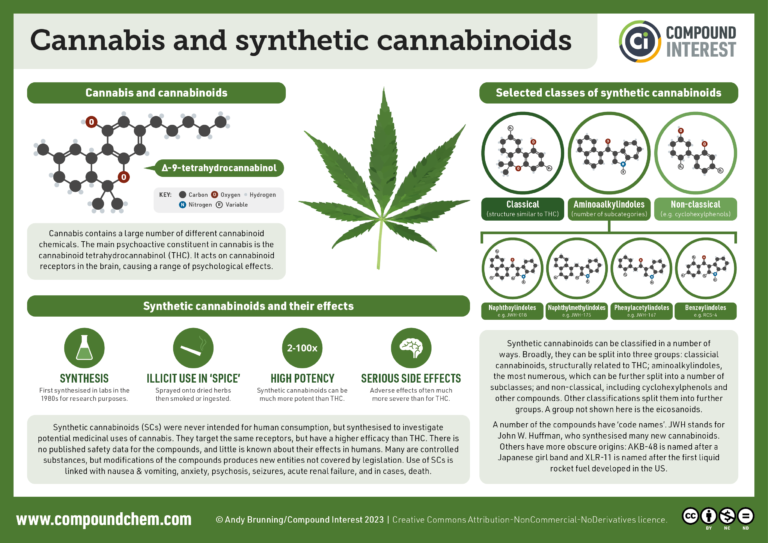
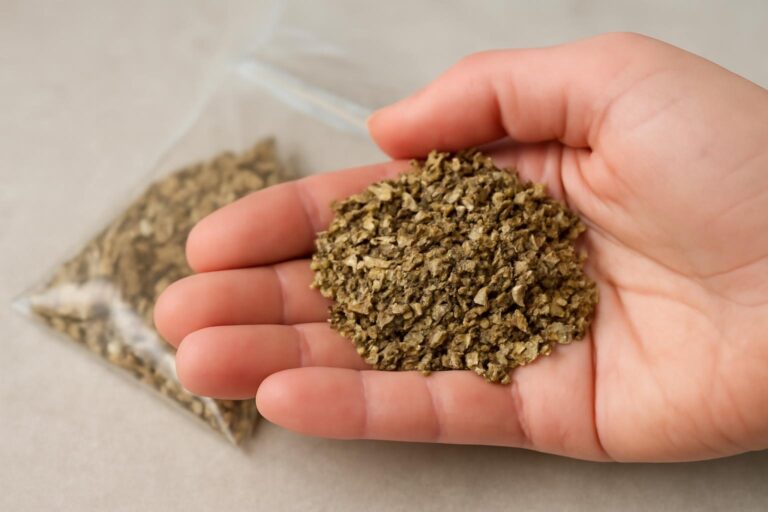
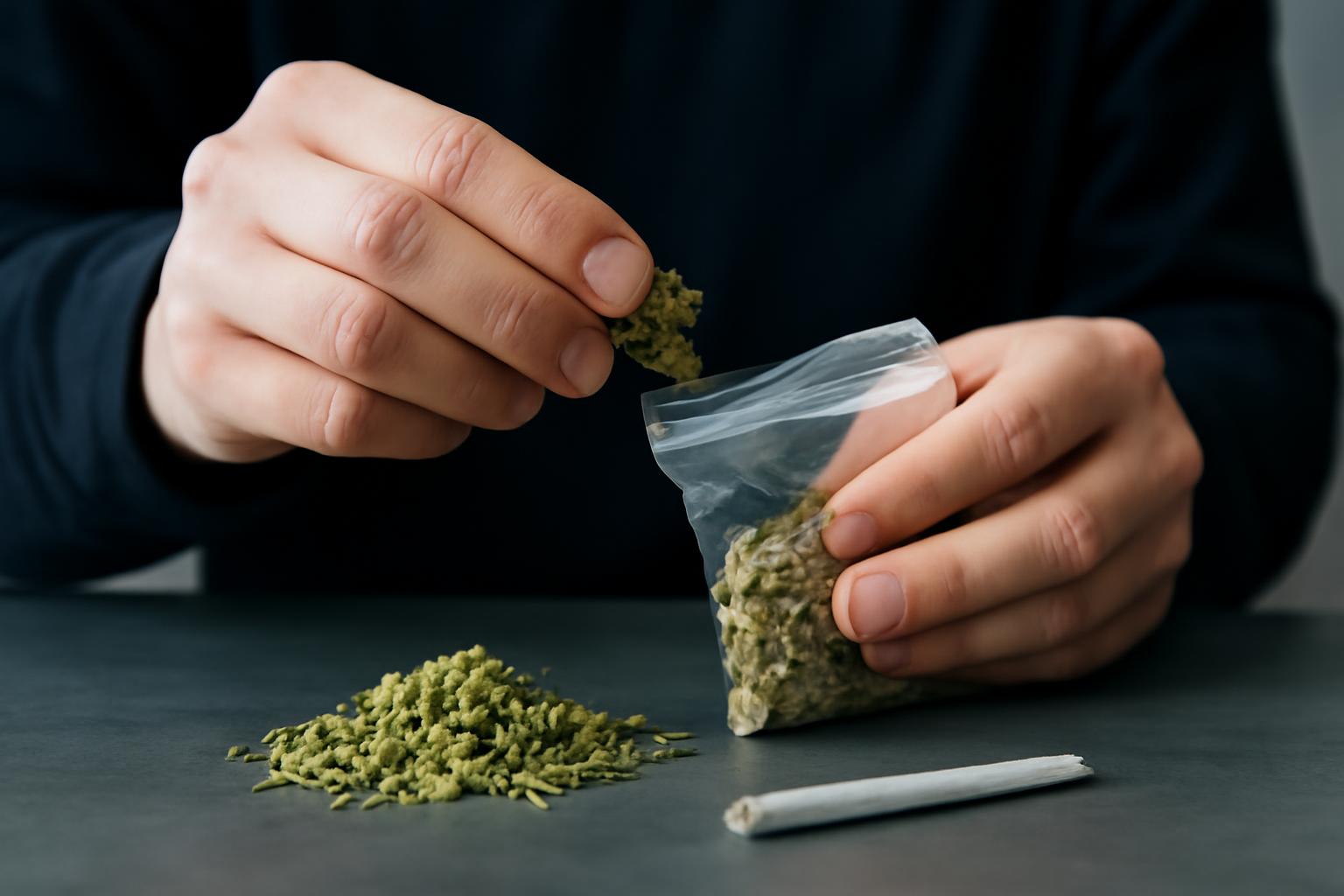
The word “synthetic cannabinoid” describes a broad and changing group of laboratory-made compounds that act on cannabinoid receptors. K2 is not a single standardized drug. Two products with similar packaging or branding can contain entirely different chemicals, and a product marketed as herbal incense may not contain meaningful amounts of plant material at all.
For background, readers can review the site’s educational and product information hub, while remembering that packaging, branding, and a “not for human consumption” label cannot establish that a product is safe.
Why mixing K2 with other substances is especially dangerous
Effects can push in opposite directions
Some substances slow the central nervous system, while others increase stimulation. K2 can produce either sedation or intense activation, depending on the compound, dose, route, and individual response. Mixing a depressant with a stimulant does not reliably “balance” the effects. It can instead mask warning signs until the body is under severe stress.
For example, a stimulant may make someone appear awake even while alcohol or an opioid is suppressing breathing. Conversely, a sedative may hide agitation, chest discomfort, or overheating caused by a stimulant or synthetic cannabinoid. The person may feel less impaired than they actually are, increasing the chance of additional use.
Potency and composition are uncertain
With regulated medicines, the active ingredient and strength are normally listed and quality-controlled. K2 and Spice products do not offer the same reliability. Chemicals may be unevenly distributed through treated plant material, paper, liquid, or another carrier. A small amount from one batch may have a very different effect from the same-looking amount in another batch.
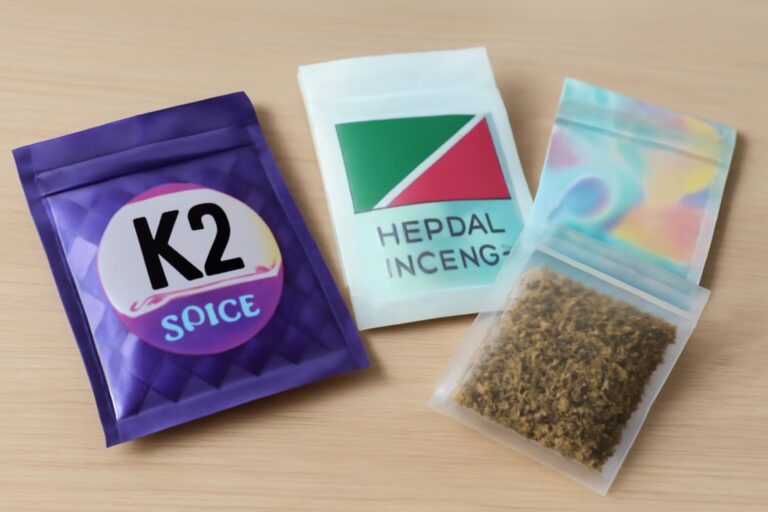
Labels such as “legal high,” “potpourri,” or “herbal incense” do not identify the actual compound. Product names and colorful packaging are not a substitute for laboratory analysis. The site’s product information index may help readers understand how products are presented online, but no catalog description can confirm the contents or safety of an unregulated synthetic cannabinoid.
Medical teams may not know what was taken
People experiencing an emergency may be unable or unwilling to describe everything they used. Friends may know only a brand name, a nickname, or the appearance of a package. Standard drug screens may not detect many synthetic cannabinoids, and a negative test does not rule out serious intoxication.
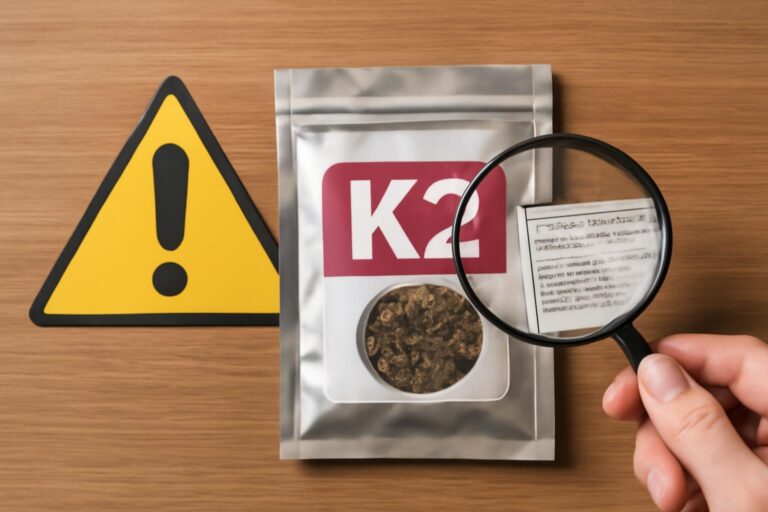
Accurate information can help clinicians provide appropriate supportive care. If possible, preserve the packaging or photograph the label without handling any residue. Do not bring loose powder, liquid, treated paper, or plant material into a hospital unless emergency personnel specifically instruct you to do so.
Major combinations and their potential complications
K2 and alcohol
Alcohol can impair judgment, coordination, and the gag reflex. K2 may add confusion, vomiting, dizziness, panic, abnormal behavior, or loss of consciousness. Together, these effects can increase the risk of falls, choking, aspiration, and delayed recognition of a medical emergency.
Someone who is unconscious after using K2 and alcohol should not simply be left to “sleep it off.” Place the person on their side if they are breathing normally, monitor them continuously, and call emergency services if they cannot be awakened, are vomiting repeatedly, have abnormal breathing, or show signs of a seizure.
K2 and opioids
Opioids can slow or stop breathing. Synthetic cannabinoids may add sedation, confusion, vomiting, or unusual agitation, making the situation more difficult to assess. If opioid exposure is possible and the person is unresponsive or breathing very slowly, call 911 immediately and use naloxone if it is available and you know how to administer it.
Naloxone reverses opioid effects, but it does not reverse synthetic cannabinoid toxicity. A person may remain confused, agitated, or medically unstable after naloxone and still needs emergency evaluation. Continue monitoring breathing and follow the dispatcher’s instructions.
K2 and stimulants
Stimulants can elevate heart rate, blood pressure, body temperature, and anxiety. K2 may also trigger rapid heartbeat, panic, hallucinations, seizures, or severe agitation. Combining them can place substantial stress on the heart and nervous system.
Warning signs include chest pain, severe headache, fainting, difficulty breathing, extreme overheating, unusual muscle rigidity, or behavior that places the person or others in immediate danger. Do not attempt to restrain someone aggressively or force fluids. Move bystanders away, reduce noise and stimulation, and seek emergency help.
K2 and sedatives
Benzodiazepines, sleep medicines, some antihistamines, and other sedating substances can increase drowsiness, impaired coordination, memory problems, and breathing complications. The risk is higher when alcohol or opioids are also involved.
Never assume that a person who is breathing slowly will recover without help. Slow, irregular, gurgling, or snoring-like breathing in an unresponsive person can indicate a life-threatening emergency.
K2 and cannabis or hemp-derived products
Traditional cannabis and hemp-derived products are chemically different from synthetic cannabinoids, but combining them can still intensify dizziness, anxiety, confusion, impaired coordination, and rapid heart rate. A regulated cannabis product is not an antidote to K2, and using more cannabis to counter unpleasant effects may worsen impairment.
Consumers should also avoid assuming that a product labeled hemp-derived, CBD, or THC has the same risk profile as K2. Product categories, legal status, and pharmacology are not interchangeable. In particular, a familiar cannabis label does not make an unknown synthetic cannabinoid product safer.
Recognizing a possible K2-related emergency
Symptoms vary widely, but urgent medical attention is appropriate for:
- Unresponsiveness or inability to stay awake
- Slow, irregular, or difficult breathing
- Seizures or uncontrolled shaking
- Chest pain, fainting, or a very fast or irregular heartbeat
- Severe agitation, hallucinations, or dangerous confusion
- Extreme drowsiness, repeated vomiting, or signs of choking
- Very high body temperature, profuse sweating, or rigid muscles
- Sudden weakness, trouble speaking, or loss of coordination
These symptoms can result from several causes, including poisoning, stroke, heart problems, or a dangerous interaction. Do not try to diagnose the substance at home.
What to do if someone may have mixed K2 with another substance
- Call 911 in the United States. Explain the symptoms and state that synthetic cannabinoids or multiple substances may be involved.
- Check breathing and responsiveness. Follow the dispatcher’s instructions. Begin CPR if directed and if the person is not breathing normally.
- Use naloxone when opioid exposure is possible. Give repeat doses only as directed by the product instructions or emergency dispatcher.
- Place a breathing but unconscious person on their side. This can help reduce choking risk while waiting for help.
- Do not induce vomiting. Do not give food, drinks, more drugs, or a cold shower.
- Reduce hazards. Move sharp objects and unnecessary bystanders away. Avoid physically restraining an agitated person unless necessary to prevent immediate harm.
- Share useful information. Tell responders what may have been used, when, by what route, and approximately how much. Do not delay the call while searching for perfect details.
In the United States, people can also contact Poison Control at 1-800-222-1222 for expert guidance. For severe symptoms, call 911 first.
Why “legal” or “not for human consumption” does not remove the risk
Synthetic cannabinoid products have often been marketed with terms such as legal high, herbal incense, or research chemical. Those descriptions may refer to marketing strategy rather than proven safety. A chemical can be legal in one jurisdiction, temporarily unscheduled, or sold for a non-consumable purpose while still causing serious toxicity.
Legal status can also change by state and over time. It does not establish consistent potency, purity, age suitability, or safe interactions with medicines. Readers looking for broader site content can browse the published article index, but should treat online claims about effects, legality, or “safe” combinations cautiously.
Lowering risk and getting support
The most reliable way to avoid K2 polysubstance use risks is not to use synthetic cannabinoids or combine unknown products with alcohol, medications, or other drugs. Do not drive, swim, climb, or stay alone after using any substance that may impair awareness. Keep naloxone available if opioid exposure is possible, and make sure trusted people know how to call for help.
If substance use is becoming difficult to control, confidential support is available through the SAMHSA National Helpline at 1-800-662-HELP (4357). Treatment professionals can help with cravings, withdrawal concerns, mental health symptoms, and safer recovery planning without requiring a person to manage the problem alone.
Frequently asked questions
Can mixing K2 with alcohol make the effects more predictable?
No. Alcohol can intensify impairment and make symptoms harder to interpret. It does not stabilize or neutralize synthetic cannabinoid effects.
Does naloxone treat a K2 overdose?
Naloxone reverses opioid effects, not synthetic cannabinoid toxicity. It should be used when opioid exposure is possible, but emergency medical care remains necessary.
Can a standard drug test confirm that someone used K2?
Often, no. Many routine screens do not detect synthetic cannabinoids. A negative result does not prove that K2 was not involved or that the person is medically safe.
Should someone be allowed to sleep after mixing substances?
Do not assume sleep is safe if the person is difficult to wake, breathing abnormally, vomiting, confused, or showing other warning signs. Call 911 and monitor them continuously.
Is a product safer because it is labeled herbal incense?
No. “Herbal incense” is a marketing or product category term, not proof of natural ingredients, consistent potency, or safe human use. Packaging cannot reliably identify the chemicals inside.
Important: This article is educational and does not replace emergency care, toxicology advice, or individualized medical treatment. When severe or unusual symptoms follow K2 or mixed-substance use, call 911 immediately.