K2 Seizure Headlines: What Synthetic Cannabinoid Raids Reveal About Public Health Risk
K2 seizure headlines and health risks! News reports about drug raids sometimes mention K2 alongside other controlled substances, weapons, or alleged trafficking activity. These headlines can attract attention, but a seizure report rarely answers the questions consumers and families most need to ask: What chemical was present? How strong was it? Was it contaminated? Who may have been exposed?
K2, Spice, and similar terms are commonly used for products containing laboratory-made cannabinoids. They are not a single standardized substance. Instead, the label may refer to many different compounds, mixtures, or plant materials sprayed with an unknown chemical. That variability is central to understanding the K2 seizure headlines and health risks appearing in U.S. news.
This article explains what enforcement reports can tell us, what they leave out, and why an arrest or seizure should never be interpreted as evidence that a particular synthetic cannabinoid product is predictable or safe.
Why K2 appears in raid and smuggling reports
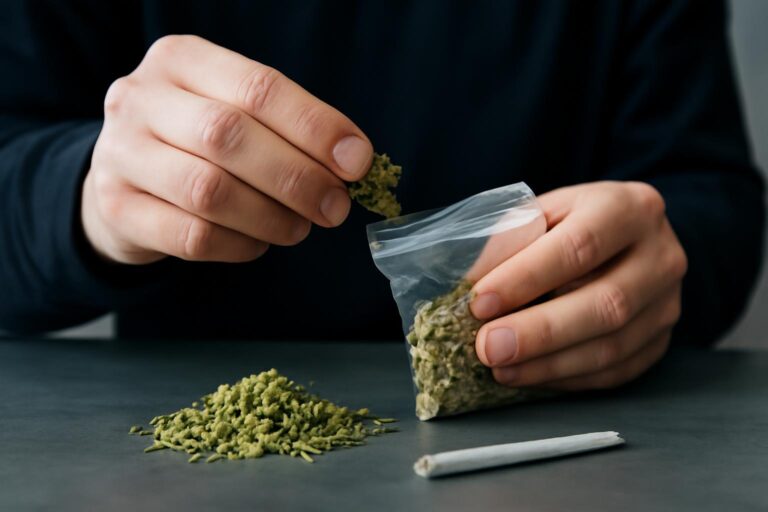
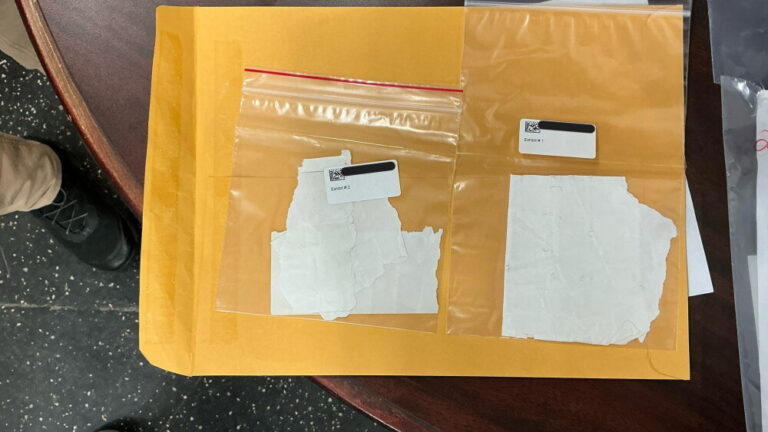
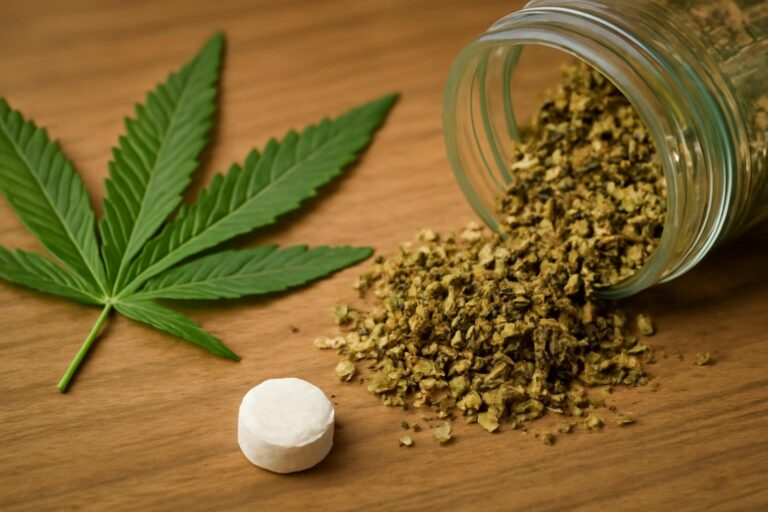
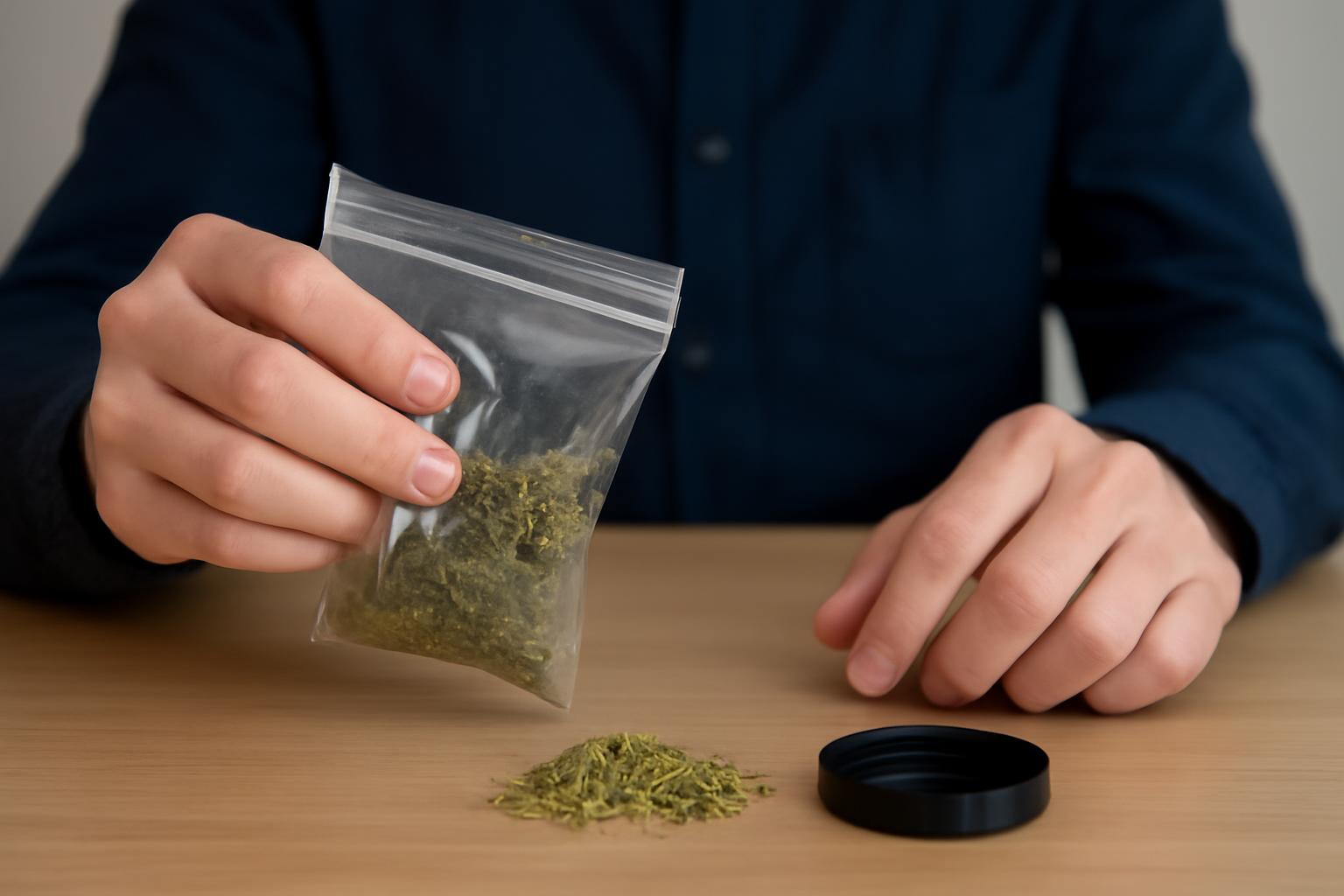
Synthetic cannabinoids may be distributed as loose herbal material, paper, liquid, or other concealed forms. Their appearance and packaging can change quickly, and sellers may use names associated with cannabis strains, herbal incense, or “legal highs.” Those names do not establish the product’s ingredients or legal status.
Law-enforcement agencies may encounter K2 during investigations involving illicit distribution, correctional-facility smuggling, mail shipments, or street-level sales. A report may identify the material through a field test, packaging, witness statements, or later laboratory analysis. Until confirmatory testing is complete, however, the description may remain provisional.
The presence of K2 in a seizure also does not mean every product marketed with the same name contains the same compound. Synthetic cannabinoid manufacturers can alter molecular structures to evade controls, and illicit producers may apply chemicals unevenly. Two packages with identical branding can therefore produce very different effects. K2 seizure headlines and health risks in united states.
What a seizure headline can—and cannot—tell you
- A suspected synthetic cannabinoid product was found in a particular investigation.
- Authorities believe the material may be connected to distribution, possession, or another offense.
- The product may be subject to federal, state, or local restrictions.
- Additional laboratory testing or legal proceedings may be pending.
What it usually does not establish
- The exact cannabinoid or concentration in every package.
- Whether the material was evenly mixed.
- Whether it contained fentanyl, other drugs, pesticides, solvents, or contaminants.
- How long the product remains active in the body.
- Whether an apparently similar product from another source is chemically comparable.
These limitations matter because synthetic cannabinoid harm is often driven by uncertainty. A familiar product name, colorful package, or claim that something is “herbal” provides little reliable information about pharmacology.
For a basic explanation of the terminology and risk profile, readers can review what K2 is and how to stay safer around synthetic cannabinoids. The most important principle is simple: branding is not chemical verification.
Why illicit synthetic cannabinoids can be unusually unpredictable
Traditional cannabis products contain naturally occurring cannabinoids in a plant matrix. Synthetic cannabinoids are laboratory-made compounds designed to interact with cannabinoid receptors. Some can activate those receptors more strongly or differently than THC, which may increase the chance of severe reactions.
Risk can change for several reasons:
Changing compounds
“K2” is a street term rather than a precise chemical name. When one compound becomes controlled or attracts attention, producers may replace it with another. A new compound may have limited toxicology data and may behave differently from the substance it replaced.
Uneven application
Liquid chemicals may be sprayed or mixed onto plant material without controlled pharmaceutical manufacturing. One portion may contain far more active compound than another. This creates a dose problem: a person cannot reliably determine potency by appearance, smell, or package size.
Contamination and adulteration
Illicit products may contain residual solvents, dyes, plant contaminants, or unrelated drugs. News coverage sometimes emphasizes whether a seized sample included another high-risk substance, but the absence of a reported contaminant does not prove that every item in a batch was clean.
Rapid onset and serious reactions
Reported effects can include confusion, agitation, panic, hallucinations, vomiting, rapid heartbeat, seizures, loss of consciousness, and dangerous changes in body temperature. Severe symptoms may occur after a person believes they have taken only a small amount.
For additional background, see the educational guide on the chemicals associated with synthetic K2. The exact compound list changes over time, which is one reason older online descriptions may not accurately describe current products.
Why “legal high” labels are especially misleading
Some synthetic cannabinoid products have historically been marketed as incense, potpourri, or research material and labeled “not for human consumption.” Such wording is not a safety certification. It may be intended to distance the product from its actual use or to exploit gaps between state, federal, and international rules.
Legal status also changes by jurisdiction and by chemical structure. A compound not specifically named in a law may still be covered by an analogue provision, a broader controlled-substance rule, a consumer-protection statute, or a state-specific ban. A product sold online is not automatically lawful to possess, ship, or receive in every state.
Likewise, a cannabis policy headline does not make K2 equivalent to regulated cannabis. Hemp-derived products, marijuana, and synthetic cannabinoids involve different legal and chemical questions. Treating them as interchangeable can lead to unsafe decisions.
How to read a K2 news report critically
When a report mentions K2, look for details that distinguish verified facts from assumptions.
- Check the date and location. Laws and product names vary rapidly across states and cities.
- Look for laboratory confirmation. A field identification may not reveal the complete chemical composition.
- Separate the seized sample from the broader market. One tested item cannot characterize every product sold under a similar name.
- Notice whether symptoms or injuries are documented. Arrest details do not necessarily describe the health impact.
- Be cautious with claims about purity or potency. Terms such as “strong,” “premium,” or “authentic” are marketing language unless supported by credible, batch-specific testing.
- Look for public-health guidance. Emergency warnings, poison-center notices, and hospital advisories may provide more useful safety information than a short crime brief.
Readers can also use product and review information as a starting point for questions, but reviews cannot substitute for independent laboratory analysis. A favorable experience reported by one person does not predict another person’s response or establish that a product is safe.
What to do if someone may have been exposed
Do not wait for a news report or online identification before responding to serious symptoms. Call 911 in the United States for difficulty breathing, chest pain, severe agitation, seizures, collapse, extreme confusion, or unresponsiveness. If the person is unconscious but breathing, place them on their side and monitor their breathing while help is coming.
Do not force food, drink, or other substances. Do not induce vomiting. Avoid physically restraining a severely agitated person unless necessary to prevent immediate injury, because restraint can escalate danger. Tell emergency responders what was taken, when it may have been taken, and whether alcohol, prescription medicines, or other drugs could also be involved.
If symptoms are concerning but not immediately life-threatening, contact Poison Control in the United States at 1-800-222-1222. Specialists can provide case-specific guidance. Keep any packaging or remaining material away from children and pets, but do not handle suspicious powders or liquids unnecessarily.
Why prevention depends on uncertainty, not confidence
People sometimes assume that an unfamiliar product is low risk if it is sold in a sealed bag, described as botanical, or available through an established-looking website. Those signals are weak. Illicit synthetic cannabinoids can be mislabeled, counterfeit, or produced without meaningful quality control.
The safer approach is to avoid products whose ingredients, dose, manufacturing history, and legal status cannot be independently verified. This applies to herbal incense marketed for inhalation, liquid sprays, infused paper, and products described as K2, Spice, fake weed, or artificial marijuana. It also applies when a seller claims that a product is “not for human consumption” while marketing it using intoxicating effects.
Retailers and caregivers can reduce risk by not reselling or sharing unknown cannabinoid products, keeping suspicious materials out of reach, training staff to recognize medical emergencies, and documenting adverse events promptly. Healthcare professionals should be told about possible synthetic cannabinoid exposure even when a routine drug screen is negative.
The broader public-health lesson from K2 raids
Raid coverage can create the impression that synthetic cannabinoid risk is limited to criminal networks or unusual settings. In reality, the underlying hazard is broader: an unstable supply chain can distribute substances that consumers cannot identify, dose, or compare reliably.
Enforcement may remove one shipment, but it does not necessarily remove the chemical risk. New names, new compounds, and new delivery formats can appear quickly. Public-health messaging therefore needs to focus less on brand names and more on symptoms, emergency response, toxicology testing, and prevention.
The most responsible interpretation of a K2 seizure headline is not “this particular package was the only dangerous one.” It is that synthetic cannabinoid products remain difficult to characterize and should not be treated like regulated, consistently manufactured medicines or cannabis products.
Frequently asked questions
Is K2 the same as marijuana?
No. K2 is a broad street term for products associated with synthetic cannabinoids. It is not simply another name for cannabis, and its effects can be more intense, unpredictable, and medically dangerous.
Does a seizure prove that every product with the same name is dangerous?
It proves that a particular seized sample was suspected or confirmed to contain a regulated or hazardous substance. Because products can vary between batches, the report cannot establish the composition of every similarly named product. However, the lack of reliable labeling is itself a significant safety concern.
Can a standard drug test detect K2?
Many routine screening panels do not detect the wide range of synthetic cannabinoids. Specialized testing may be required, and the available test depends on the compound involved. A negative standard screen does not rule out exposure.
Are “herbal incense” products automatically safe?
No. “Herbal incense” describes marketing or packaging, not verified contents. Some products are intended only for fragrance, while others may be marketed deceptively as intoxicating blends. Do not inhale or consume a product when its ingredients and intended use are unclear.
What is the most important warning sign after possible K2 exposure?
Any sudden change in consciousness, breathing, behavior, heart rate, coordination, or temperature can be urgent. Seizures, collapse, severe agitation, chest pain, and difficulty breathing require emergency assistance.
Bottom line: K2 seizure headlines are useful alerts, but they are not product-safety evaluations. Synthetic cannabinoids can vary by compound, batch, concentration, and contamination. Treat uncertain products as a serious health risk, rely on emergency professionals when symptoms appear, and do not confuse a “legal high” label with evidence of safety.