Smuggling K2 Into Prisons: What the Texas Contraband Boom Reveals About Synthetic Cannabinoid Risk
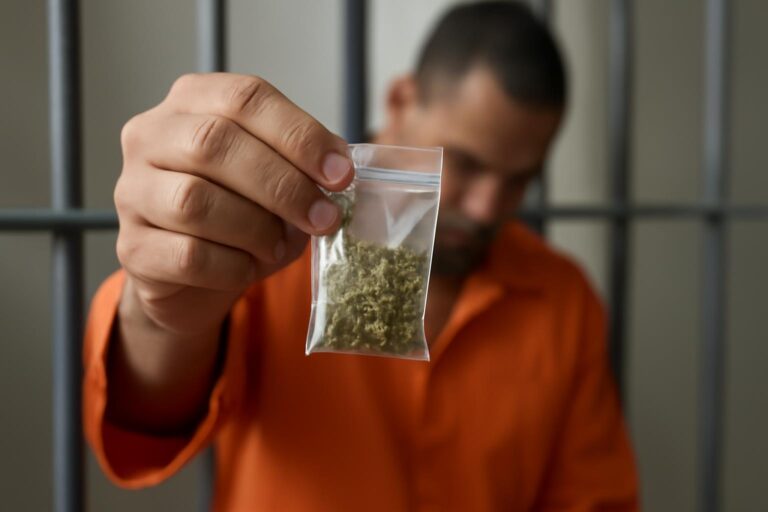
K2 Prison Smuggling in Texas! Recent reporting from the Houston Chronicle on the booming, deadly business of smuggling drugs into Texas prisons has renewed national attention on a persistent problem: synthetic cannabinoids, commonly called K2 or Spice, remain among the most dangerous and difficult-to-control substances inside correctional facilities. The article describes a contraband economy that is profitable, violent, and frequently lethal — and K2 sits near the center of it.
For anyone trying to understand why K2 keeps appearing in prison headlines, the story is not just about smuggling. It is about chemistry, economics, and the unique vulnerabilities of incarcerated populations. This guide breaks down what the trend signals, how synthetic cannabinoids cause harm, and what consumers and families should understand about the broader K2 landscape.
Why K2 Is a Preferred Contraband in Prisons
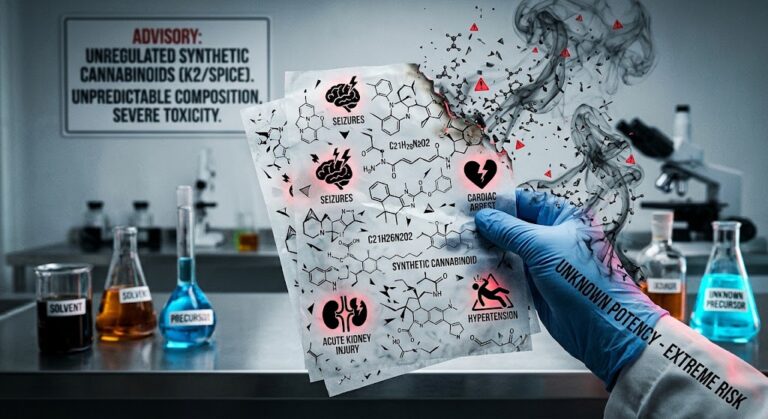
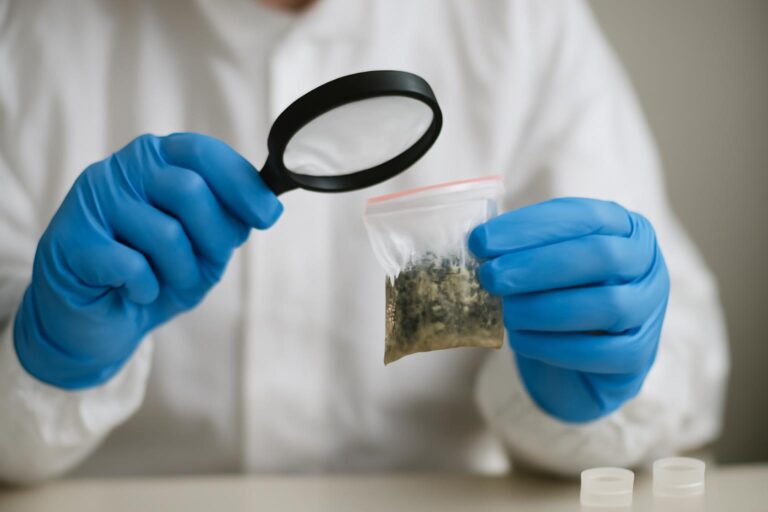
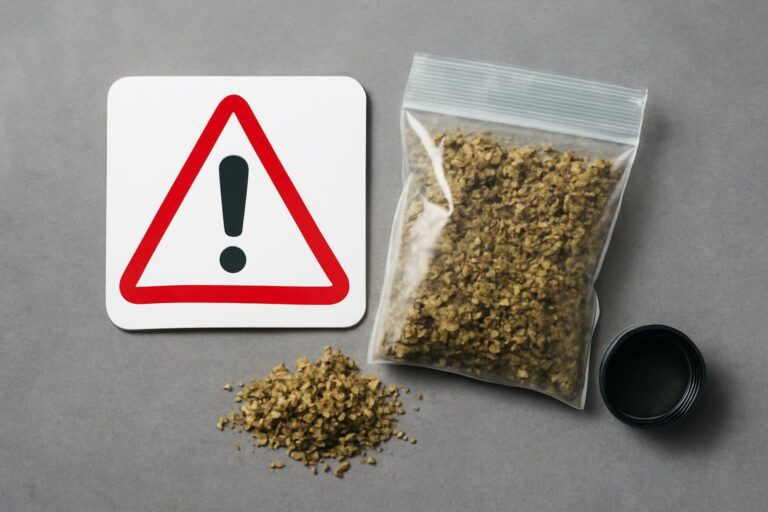
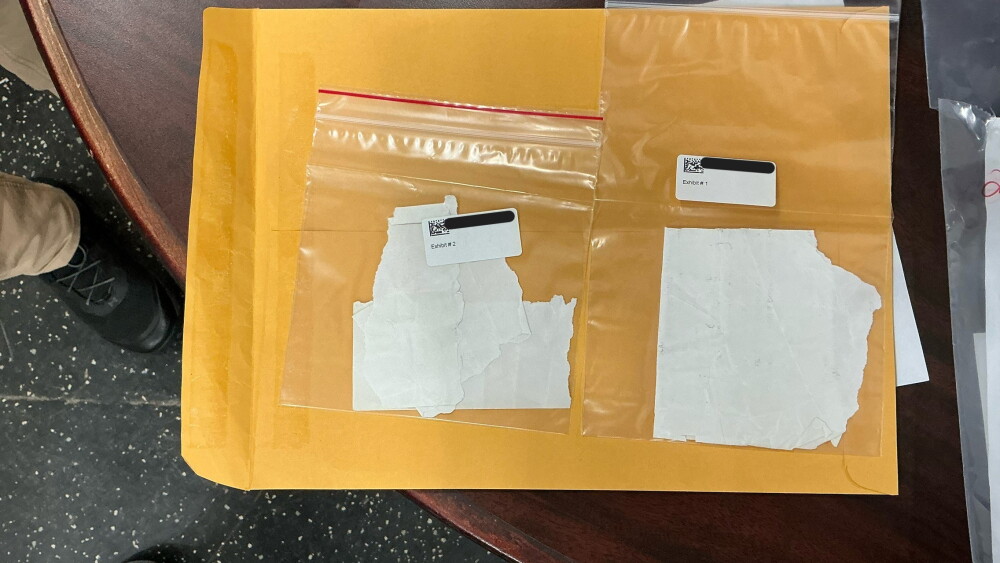
Synthetic cannabinoids are attractive to smugglers for several reasons. They are potent in tiny quantities, easy to conceal, and often cheaper per dose than plant-based cannabis. A small strip of paper, a few drops of liquid, or a small bag of herbal material can be distributed among many users. That concentration of value in a small package makes K2 easier to hide and transport than bulkier drugs.
This is not a new phenomenon. For years, correctional systems have reported that K2-soaked paper, sprayed herbal blends, and liquid formulations circulate inside facilities. The Houston Chronicle investigation illustrates how organized smuggling networks adapt to security measures, using visitors, mail, staff, and other channels to move contraband. The result is a market that is hard to shut down and highly profitable for those willing to take the risk.
Understanding the product side matters too. Many of the same formats that appear in retail settings — infused papers, liquid sprays, and treated herbal material — are the formats that show up in contraband seizures. Our overview of what chemicals are in synthetic K2 explains why these products are so unpredictable from batch to batch. K2 Prison Smuggling in Texas Prison.
How Synthetic Cannabinoids Enter Correctional Facilities
Smuggling routes into prisons are varied, and K2’s physical profile makes it especially adaptable. Common methods reported by correctional agencies include:
- Infused paper and mail: Letters, photos, and documents can be treated with liquid synthetic cannabinoids. Once inside, the paper may be smoked or chewed.
- Sprayed herbal material: Small amounts of treated plant material can be hidden in clothing, food packages, or personal items.
- Liquid concentrates: Small bottles or soaked materials can be passed during visits or through compromised staff channels.
- Vaping devices: Liquid formulations may be introduced through e-cigarette products, which are themselves contraband in many facilities.
Each route creates a distinct detection challenge. Unlike plant cannabis, K2-infused paper often looks ordinary. Unlike pills, liquids can be absorbed into fabric or paper. And because the active chemicals vary widely, even a small seizure can represent a serious health hazard. Our article on what K2 paper is and why it is popular provides background on why this format spreads so easily.
Why K2 Overdoses Are So Severe
Synthetic cannabinoids are not the same as cannabis. They are laboratory-made chemicals designed to bind to cannabinoid receptors in the body, often with far greater potency than THC. Effects can include agitation, confusion, rapid heart rate, vomiting, seizures, and loss of consciousness. In confined settings, these effects can escalate quickly because users may not know what dose or chemical they are receiving.
Batch variability is a major factor. A product that produces mild effects one week may cause severe intoxication the next because the active ingredient or concentration has changed. This unpredictability is one reason public health agencies treat K2 outbreaks as emergencies rather than isolated incidents. Our guide to how long K2 stays in your system also explains why standard drug tests often miss these compounds, complicating clinical response and correctional screening.
Inside prisons, the risk is amplified by limited medical resources, delayed emergency response, and the possibility that multiple people use the same contaminated product. A single smuggling event can lead to a cluster of overdoses, which is exactly the pattern described in recent reporting on contraband-related emergencies. K2 Prison Smuggling in Texas jails
What the Texas Smuggling Story Signals for the Rest of the Country
Texas is not unique in facing K2 contraband, but the scale of its correctional system makes the state a bellwether. When smuggling networks find efficient routes, those methods tend to spread. The Houston Chronicle investigation highlights several trends that public health and policy observers should watch:
1. Contraband markets are adapting to security technology
As facilities improve screening, smugglers change methods. That can mean more creative concealment, more use of liquid formats, and more reliance on compromised insiders. For correctional staff, this means K2 detection requires not just drug-sniffing tools but also awareness of paper, mail, and liquid vectors.
2. Demand persists despite known danger
Incarcerated people face stress, isolation, and limited access to mental health support. Some turn to contraband for relief or escape, even when they know the risks. Addressing demand requires more than enforcement; it requires understanding why people use and what alternatives exist.
3. Overdose clusters strain emergency systems
When multiple people are exposed to the same potent batch, emergency responders face a surge of patients with similar symptoms. This pattern has been documented in community settings as well, and it is one reason K2 outbreaks are treated as public health events.
Harm Reduction and Safety Considerations
For families of incarcerated individuals, the most important step is awareness. If you suspect a loved one is using K2 or has been exposed, seek medical attention immediately. Do not assume symptoms will pass. Agitation, chest pain, seizures, and unresponsiveness are emergency signs.
For correctional staff and administrators, the Texas story reinforces the value of layered prevention: mail screening, visitor protocols, staff training, and rapid medical response. It also underscores the need for clear communication about the dangers of synthetic cannabinoids, since many users underestimate how different these chemicals are from cannabis.
For the broader public, the lesson is that K2 is not a niche issue confined to one setting. The same chemicals that cause overdoses in prisons appear in retail-style products, and the same batch variability applies. Our guide to where fake weed products circulate explains how these items reach consumers and why labeling is often unreliable. K2 Prison Smuggling in Texas correctional facilities.
Frequently Asked Questions
Is K2 the same as cannabis?
No. K2 and Spice refer to synthetic cannabinoids, which are laboratory-made chemicals. They are not plant cannabis and can be far more potent and unpredictable.
Why is K2 so common in prisons?
It is potent in small amounts, easy to conceal in paper or liquid form, and often cheaper per dose than other drugs. These factors make it attractive to smugglers and users despite serious health risks.
What should I do if someone shows signs of K2 overdose?
Call emergency services immediately. Signs include severe agitation, confusion, seizures, vomiting, rapid heart rate, and loss of consciousness. Do not leave the person alone.
Can K2 be detected by standard drug tests?
Often not. Many standard panels do not include synthetic cannabinoids, and the chemicals involved change frequently. Specialized testing may be required.
Does the Texas smuggling trend affect other states?
Smuggling methods and contraband markets tend to spread. While the Texas investigation is specific to that state’s correctional system, the underlying dynamics — demand, concealment, and batch variability — are relevant nationwide.
Key Takeaways
The Houston Chronicle investigation into K2 smuggling in Texas prisons is a reminder that synthetic cannabinoids remain a serious public health and safety challenge. Their potency, concealability, and unpredictable chemistry make them difficult to control in any setting, but especially in confined environments. Understanding how these substances move, why they cause harm, and what signs to watch for is essential for families, correctional staff, and anyone concerned about the broader K2 landscape.
Education is the first line of defense. Whether the context is a prison contraband market or a retail product with unclear labeling, the core risks are the same: unknown chemicals, inconsistent doses, and serious health consequences. Staying informed helps reduce harm and supports better responses at every level. K2 Prison Smuggling in Texas prison cells.