Can You Identify K2 by Smell or Appearance? Why Synthetic Cannabinoids Are Impossible to Judge by Sight
Can you identify K2 by smell or appearance? No. Synthetic cannabinoids are not reliably identifiable by color, aroma, texture, packaging, or product name. A material that looks like dried plant matter may contain a potent synthetic compound, while a product marketed as herbal incense may contain something entirely different from what its label suggests.
This is an important distinction for anyone researching K2, Spice, fake weed, or other products sold under names such as herbal incense and legal highs. Unlike regulated medicines, illicit or mislabeled synthetic cannabinoid products may have no dependable ingredient list, consistent manufacturing process, or quality-control record. The same brand name can also be used for different formulas over time.
This guide is educational and focused on risk recognition. It is not a recommendation to buy, possess, prepare, or consume synthetic cannabinoid products. Products labeled “not for human consumption” can still cause serious poisoning when people inhale, ingest, or otherwise contact them.
Why K2 cannot be identified by appearance
K2 is a broad street term for products containing one or more laboratory-made chemicals that act on cannabinoid receptors. The chemical contents are not determined by the name K2, the artwork on a package, or the plant material used as a carrier.
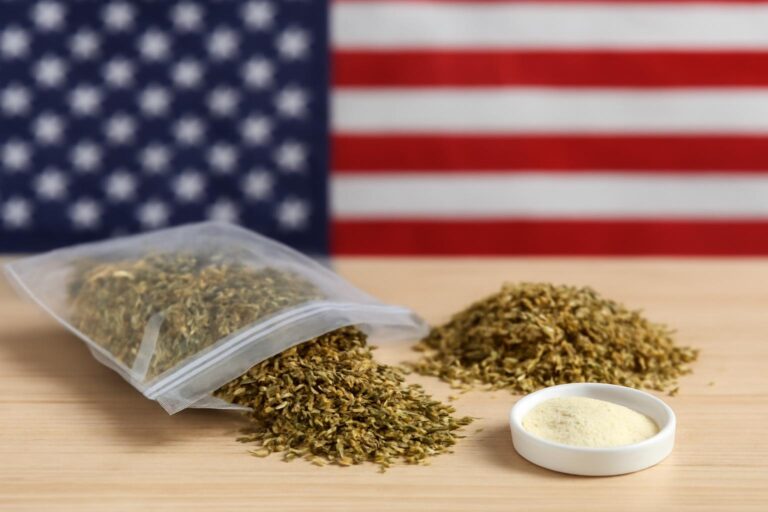
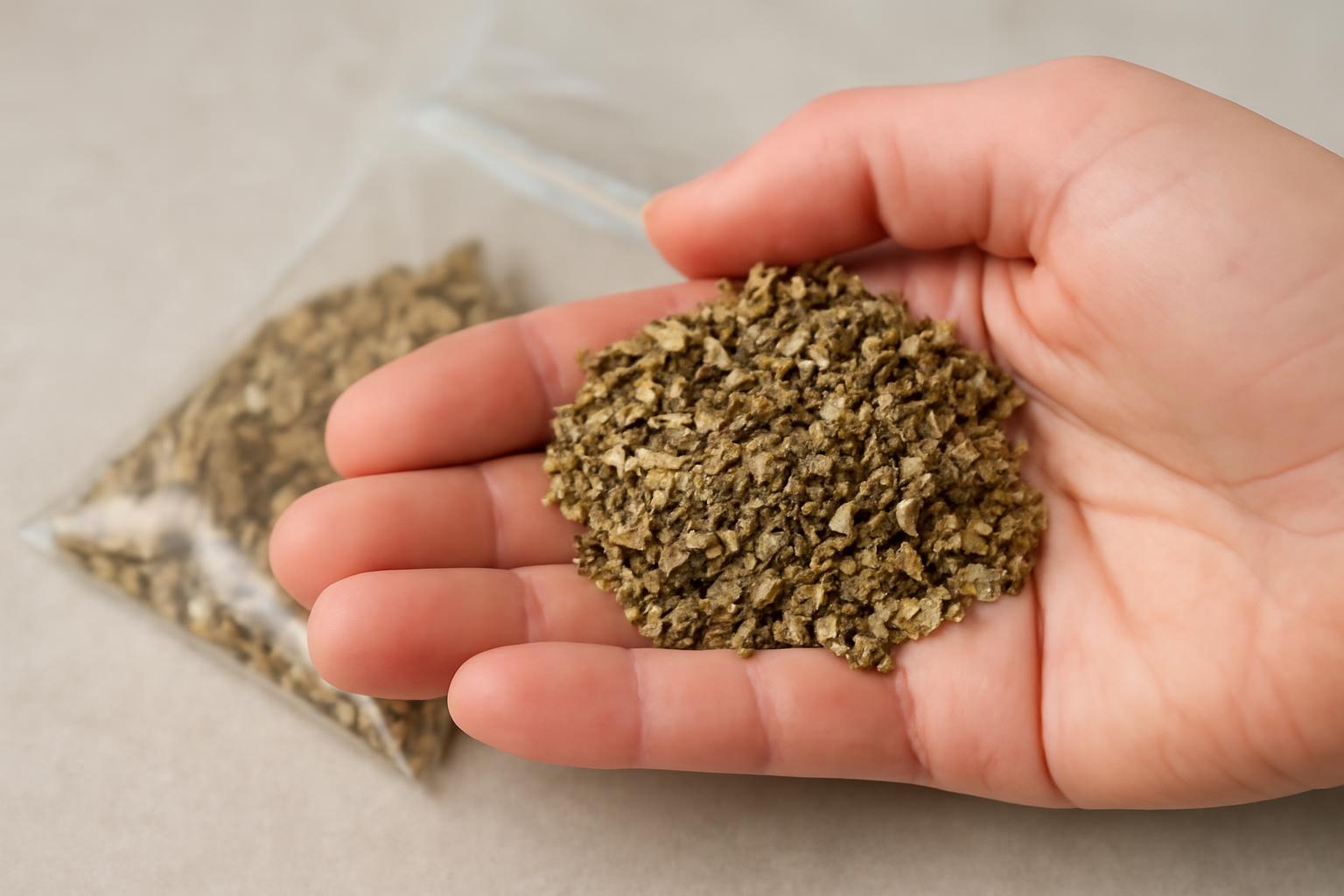
Many products are made by applying a chemical solution to dried leaves or another absorbent material. The carrier may appear green, brown, gray, or nearly colorless. Uneven application can create patches with substantially different concentrations. However, even a uniform-looking product cannot be judged accurately without appropriate laboratory analysis.
Appearance is especially misleading because ordinary visual clues do not reveal:
- Which synthetic cannabinoid is present;
- How concentrated the chemical may be;
- Whether multiple compounds are mixed together;
- Whether the material contains solvents, pesticides, heavy metals, or other contaminants;
- Whether the product has degraded or changed during storage; or
- Whether the package contains the substance described on its label.
In practical terms, a brighter color does not mean a product is safer, a strong odor does not prove potency, and a familiar package does not confirm authenticity. These products should never be evaluated as though they were standardized cannabis flower.
Why smell is not a safety test
People sometimes assume that an unusual chemical odor indicates danger, or that a plant-like smell indicates a more natural product. Neither conclusion is dependable. Fragrance ingredients can mask odors, carrier herbs can add their own scent, and residual solvents or contaminants may produce smells that vary from batch to batch.
Some hazardous substances have little noticeable odor. Conversely, a strong smell may come from an added fragrance rather than the active compound. Smell also cannot tell you how much material has transferred to skin, clothing, paper, or another surface.
Avoid deliberately smelling an unknown powder, liquid, paper, or herbal blend. Bringing an unidentified substance close to the nose can increase the chance of inhalation or contact with the eyes and mouth. If a product has spilled, do not shake it, burn it, vape it, or attempt to “test” it by taking a small amount.
Packaging and product names can create false confidence
Labels such as “herbal incense,” “potpourri,” “research chemical,” or “legal high” describe marketing categories rather than verified safety profiles. A warning that a product is “not for human consumption” is not evidence that it is harmless when used in another way. It may instead reflect an attempt to avoid the rules applied to medicines, food, or regulated cannabis products.
Brand names and strain-style names can also be misleading. Terms associated with cannabis varieties may suggest a predictable experience, but synthetic cannabinoids do not become equivalent to cannabis because a package uses names such as Kush, Diesel, or another familiar reference. Packaging cannot establish the identity, dose, or purity of the contents.
For broader background, readers can review the educational and product information available on Insense High, while treating all product descriptions critically and checking applicable federal, state, and local laws before handling any regulated or restricted substance.
What laboratory testing can and cannot tell you
Specialized laboratory testing may identify particular synthetic cannabinoids or contaminants, but testing is not a practical home safety check. A single sample may not represent the contents of an entire package, especially when chemicals have been applied unevenly. Results may also fail to detect newly developed compounds or substances outside the laboratory’s testing panel.
Consumer test strips and informal color tests should not be treated as proof that a product is safe. A negative result may mean only that the test did not detect the specific target for which it was designed. It does not confirm that the material is cannabis, a harmless herb, or free from other toxic chemicals.
Do not try to improve an unknown product by mixing, diluting, spraying, heating, or transferring it. These actions can spread contamination and make exposure more likely. Instructions for preparing K2-soaked paper, liquid sprays, or infused plant material can create serious risks and are not a substitute for professional analysis.
Common exposure routes beyond smoking
Although inhalation is a major concern, exposure can occur in other ways. A person may touch contaminated material and then rub their eyes, eat, smoke a cigarette, or handle a child’s belongings. Liquid products can splash onto skin or soak into clothing. Burning an unknown substance can generate additional irritants and toxic byproducts.
Never assume that paper, packaging, or a surface is safe because it appears dry. Avoid handling suspicious materials with bare hands. Keep children, pets, and other people away from the area, and do not place unknown items in a household trash bin if doing so could expose someone else.
If contact occurs, move away from the material and avoid spreading it. Remove contaminated clothing carefully, place it away from other items, and wash exposed skin with soap and water. Do not use solvents, bleach, or harsh chemicals on skin. If the eyes are affected, flush them with clean water and seek medical guidance.
Symptoms that may signal synthetic cannabinoid exposure
Effects vary widely because formulations and concentrations vary. Possible symptoms include severe anxiety, agitation, confusion, hallucinations, drowsiness, vomiting, chest pain, rapid heartbeat, difficulty breathing, tremors, seizures, loss of consciousness, and dangerously high or low body temperature.
Symptoms may begin quickly, but delayed or recurring effects are also possible. A person who appears merely intoxicated can deteriorate unexpectedly. Do not leave someone alone to “sleep it off,” and do not assume that water, coffee, fresh air, or a cold shower will reverse poisoning.
What to do if exposure or poisoning is suspected
- Call emergency services immediately for trouble breathing, chest pain, a seizure, severe agitation, collapse, unresponsiveness, or any rapidly worsening symptom. In the United States, call 911.
- Contact Poison Control at 1-800-222-1222 for immediate advice about a suspected poisoning. Keep the package or a photograph available if it can be obtained without additional exposure.
- Move to fresh air after inhalation exposure, provided it is safe to leave the area. Do not re-enter a contaminated space without appropriate professional guidance.
- Do not induce vomiting after swallowing an unknown substance unless a medical professional specifically instructs you to do so.
- Give responders accurate information, including when exposure occurred, how it happened, observed symptoms, and any known medications or substances involved.
If the person is unconscious but breathing, place them on their side and monitor breathing while waiting for help. If they are not breathing normally, follow the emergency dispatcher’s instructions. Do not restrain someone who is confused or agitated unless necessary to prevent immediate injury; create space and wait for trained responders.
How to make safer decisions around unknown products
The most reliable safety rule is simple: do not use a product when its ingredients, concentration, and legal status cannot be verified. Do not rely on online reviews, a seller’s claims, a “trusted” brand name, or a previous experience with a similarly packaged item. A product that caused no symptoms once may be different the next time.
Be particularly cautious with products sold in unsealed bags, unlabeled bottles, novelty packaging, or containers that make unusually broad claims. A certificate of analysis can be incomplete, altered, outdated, or unrelated to the specific batch. Even legitimate-looking documentation cannot make an unknown psychoactive product risk-free.
People who are researching product categories can use the site’s product index and article index to locate educational material, but should still verify current laws and avoid treating catalog listings as medical or safety certifications.
Frequently asked questions
Does a plant-like smell mean K2 is natural?
No. A plant-like smell may come from the carrier herb or added fragrance. It does not confirm the absence of synthetic cannabinoids, contaminants, or other chemicals.
Can you tell whether K2 is strong by its color?
No. Color cannot reliably indicate the identity or concentration of an active compound. Uneven application may also mean that different portions contain different amounts of chemical.
Is a sealed package proof that a product is safe?
No. Sealing may protect contents from the environment, but it does not verify the ingredients, manufacturing conditions, or accuracy of the label.
Can a standard cannabis test identify K2?
Often, no. Many standard cannabis tests are designed to detect THC metabolites and may not detect synthetic cannabinoids. A negative cannabis test does not prove that no psychoactive substance was used.
What should I do with an unknown K2-like product?
Do not open, burn, inhale, taste, or modify it. Keep people and pets away, avoid unnecessary handling, and contact local hazardous-materials or public-health authorities for disposal guidance. If exposure has already occurred, contact Poison Control or emergency services based on the symptoms.
The bottom line
You cannot safely identify K2 by smell, color, texture, packaging, or a product name. Synthetic cannabinoid products are defined by uncertain chemistry and inconsistent manufacturing, not by how they look. Treat unknown herbal blends, liquids, papers, and powders as potentially hazardous, avoid experimentation, and seek professional help promptly when exposure is suspected.