Synthetic Drugs in Vape Products: What the Hidden Market Means for K2 and Spice Safety in 2026
Why Synthetic Drugs in Vape Products Are a Growing Concern
Vape products were originally marketed as alternatives to combustible tobacco, and most legally sold devices still contain nicotine or, in some states, hemp-derived CBD. But a quieter and far more dangerous trend has emerged: synthetic drugs in vape products. Reports from public health agencies and harm-reduction groups describe cartridges and e-liquids that look ordinary but contain synthetic cannabinoids, synthetic opioids, or other research chemicals. For anyone trying to understand the modern K2 and Spice landscape, this is one of the most important developments of 2026.
The core problem is deception. A vape cartridge is a sealed, branded object. You cannot see, smell, or taste the difference between a nicotine pod and one spiked with a synthetic cannabinoid until it is too late. That uncertainty is exactly what makes the hidden vape market so risky, and it is why education matters more than ever.
What Are Synthetic Drugs in Vape Products?
“Synthetic drugs in vape products” refers to any vaping device or e-liquid that contains a non-nicotine, non-CBD active compound, usually a synthetic cannabinoid or a designer research chemical. The most familiar examples belong to the K2 and Spice family, but the category is broader than that. It can include:
- Synthetic cannabinoids — lab-made compounds designed to mimic THC but often far more potent and unpredictable.
- Synthetic opioids — including fentanyl analogs and nitazenes, which have been detected in illicit vape and powder products.
- Designer stimulants and dissociatives — sold as “legal highs” or “research chemicals” and sometimes dissolved into e-liquid.
- Unknown adulterants — fillers, solvents, and byproducts that were never intended for inhalation.
Unlike regulated nicotine or CBD e-liquid, these products are not subject to ingredient disclosure, batch testing, or manufacturing standards. That means potency can vary wildly from one cartridge to the next, even within the same brand name.
How the Hidden Vape Market Works
The hidden market does not look like a traditional storefront. It operates through social media, messaging apps, pop-up shops, and informal networks. Sellers often use familiar branding, colorful packaging, and terms like “herbal incense,” “potpourri,” or “legal high” to signal what the product really is without saying it directly. Some products are sold as premium K2 liquid spray or infused paper, while others are disguised as ordinary vape juice.
This is where the line between categories blurs. A consumer may believe they are buying a CBD e-liquid or a nicotine alternative, when in reality the product contains a synthetic cannabinoid. The same supply chains that move legal high K2 spice products also feed the vape market, which is why regulators and public health officials increasingly treat them as one interconnected problem.
Why Vape Delivery Changes the Risk Profile
Inhaling a substance delivers it to the bloodstream very quickly, often within seconds. That speed is part of why vaping is popular, but it also means that a potent synthetic cannabinoid hits the body almost instantly. There is little opportunity to notice an unusual effect and stop. With smoked herbal incense, the onset is fast but still gradual enough that some users notice something is wrong. With a vape cartridge, the dose can be delivered before the user has time to react.
Inhalation also bypasses some of the body’s natural filtering. The lungs are delicate, highly vascular tissue, and they absorb whatever is in the aerosol. Solvents, flavorings, and unknown synthetic compounds all reach the bloodstream together. That combination is one reason emergency departments report severe reactions from products that looked like ordinary vapes.
K2, Spice, and the Vape Overlap
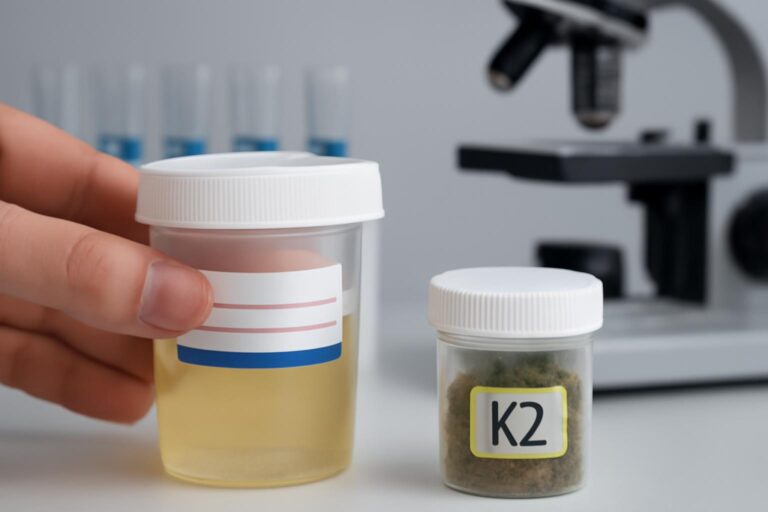
K2 and Spice are street names for herbal incense products that were originally sold as “not for human consumption.” The active ingredients are synthetic cannabinoids, a class of research chemicals that bind to the same receptors as THC but with unpredictable potency and effects. Over the years, the products have evolved from plant material sprayed with a chemical solution to include K2 paper and leaf spray formats, and now vape-compatible liquids.
The overlap with vaping is not accidental. Liquid formats are easier to transport, easier to conceal, and easier to market as something they are not. A bottle labeled as “herbal extract” or “CBD e-liquid” can contain a synthetic cannabinoid, and the buyer has no reliable way to verify the contents. This is why the phrase “synthetic drugs in vape products” has become a public health shorthand for a much larger problem: the erosion of trust in the entire vaping category.
Health Risks: What Synthetic Cannabinoids Do to the Body
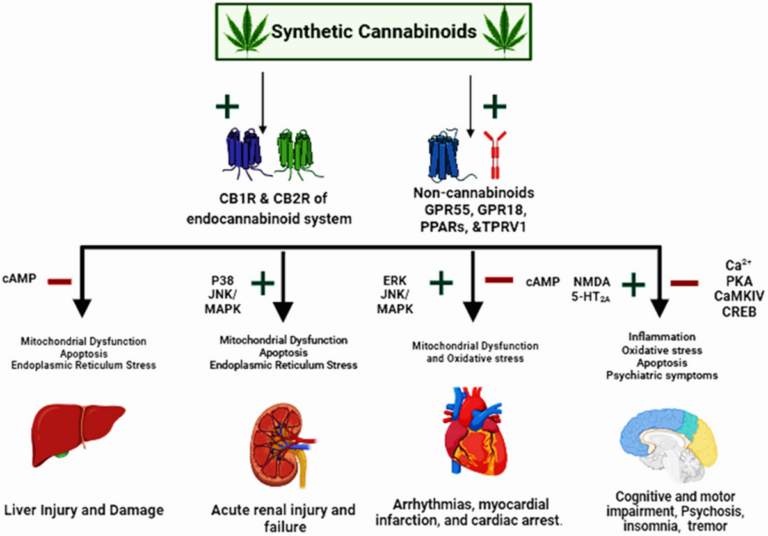
Synthetic cannabinoids are not simply stronger THC. They are structurally different compounds that can interact with the body in ways that natural cannabis does not. Documented risks include:
- Severe anxiety and panic — often disproportionate to the dose.
- Psychosis and hallucinations — including episodes that require emergency care.
- Cardiovascular stress — rapid heart rate, elevated blood pressure, and chest pain.
- Seizures — reported with several synthetic cannabinoid classes.
- Acute kidney injury — linked to specific compounds and adulterants.
- Respiratory depression — especially when synthetic opioids are present.
When these compounds are inhaled from a vape, the risk of a rapid overdose or a severe psychiatric reaction increases. There is no reliable way for a user to know the dose, the compound, or the contaminants. For a deeper look at how these products affect the body, see our guide on what K2 is and how to stay safe.
Why Potency Is Unpredictable
Synthetic cannabinoid manufacturing is not standardized. A single batch can vary in concentration from one part of the batch to another. When that batch is dissolved into e-liquid, the variation carries through to the final product. A cartridge that produces a mild effect for one user may produce a medical emergency for another, even if both cartridges came from the same package. This batch-to-batch inconsistency is one of the defining features of the K2 and Spice market, and it is amplified in vape formats.
Warning Signs That a Vape Product May Be Contaminated
No consumer can reliably identify a contaminated vape product by sight or smell. However, certain red flags should prompt caution:
- Unusually low prices — legitimate regulated products have real manufacturing costs.
- No ingredient list or batch number — regulated products disclose contents.
- Vague or inconsistent branding — misspellings, generic packaging, or labels that change frequently.
- Sold outside licensed channels — social media, messaging apps, or informal pop-ups.
- Effects that feel nothing like nicotine or CBD — intense dissociation, panic, or unusual physical sensations.
If a product produces effects that seem disproportionate or strange, stop using it immediately and seek medical advice if symptoms are severe. Do not assume that a familiar flavor or brand name guarantees safety.
Regulatory Landscape in the United States
U.S. regulation of synthetic drugs is complex and evolving. The Drug Enforcement Administration has placed many synthetic cannabinoids on Schedule I, and state legislatures have passed their own bans. At the same time, the 2026 debates over hemp-derived products and THC rules have created confusion about what is legal and what is not. A product marketed as “hemp-derived” or “legal” is not automatically safe, and it is not automatically free of synthetic cannabinoids.
For consumers, the practical takeaway is that legality and safety are not the same thing. A product can be sold openly and still contain a dangerous compound. This is why public health agencies emphasize testing, transparency, and licensed supply chains rather than relying on labels alone.
Harm Reduction: Practical Steps for Consumers
Harm reduction is about reducing risk, not pretending that risk does not exist. If you or someone you know uses vape products, these steps can help:
- Buy from licensed, regulated retailers whenever possible.
- Avoid products with no ingredient disclosure or inconsistent packaging.
- Never share or accept unknown cartridges from informal sources.
- Start with the smallest possible exposure if you are uncertain about a product.
- Know the signs of an emergency — chest pain, seizures, severe confusion, or difficulty breathing require immediate medical attention.
- Keep naloxone available if there is any possibility of synthetic opioid exposure, and call emergency services if overdose is suspected.
Education is the first line of defense. Understanding how the hidden market operates, and why synthetic drugs in vape products are so difficult to detect, helps consumers make more informed decisions.
The Bigger Picture: Trust and Transparency
The rise of synthetic drugs in vape products is a trust problem as much as a chemistry problem. When consumers cannot verify what is in a product, the entire category suffers. That is why transparency, batch testing, and clear labeling matter. It is also why educational resources are essential. The more people understand the difference between regulated nicotine, hemp-derived CBD, and unregulated synthetic cannabinoids, the better equipped they are to avoid the hidden market.
For readers interested in the broader context of synthetic cannabinoid products and their risks, our K2 spice category collects related guides and updates. The goal is not to sensationalize, but to inform. Synthetic drugs in vape products are a real and evolving threat, and the best response is knowledge, caution, and a commitment to verified sources.
Frequently Asked Questions
Can synthetic cannabinoids be vaped?
Yes. Synthetic cannabinoids can be dissolved into e-liquid or applied to plant material and inhaled. Vaping delivers the compound quickly to the bloodstream, which can increase the risk of severe reactions.
How can I tell if a vape product contains K2 or Spice?
You generally cannot tell by sight, smell, or taste. The only reliable way to know is through laboratory testing or by purchasing from a licensed, regulated source with transparent ingredient disclosure.
Are synthetic drugs in vape products legal in the United States?
Many synthetic cannabinoids are Schedule I controlled substances under federal law, and states have additional bans. However, legality varies by compound and jurisdiction, and a product marketed as “legal” is not necessarily safe.
What should I do if I think someone is having a bad reaction to a vape product?
Call emergency services immediately if there is chest pain, seizure, severe confusion, difficulty breathing, or loss of consciousness. Do not wait to see if symptoms improve.
Is CBD e-liquid safer than synthetic cannabinoid vape products?
Regulated CBD e-liquid from a licensed source is generally considered lower risk than unregulated synthetic products, but quality and labeling vary. The key difference is transparency: you should know what is in the product and where it came from.
Why are synthetic drugs appearing in vape products now?
Vape products are compact, easy to transport, and easy to disguise. The hidden market exploits these features to reach consumers who may not realize what they are buying. Public health officials continue to monitor the trend as part of broader synthetic drug enforcement efforts.