K2 Overdose Response: Warning Signs, Emergency Steps, and Prevention
K2 overdose response begins with recognizing that synthetic cannabinoids are not the same as cannabis and can produce rapidly changing, life-threatening symptoms. Products sold under names such as K2, Spice, fake weed, herbal incense, or synthetic cannabis may contain different laboratory-made chemicals, sometimes in uneven concentrations. Packaging and product names cannot reliably identify what is present. K2 overdose response and safety steps
This guide is educational and focuses on safety. It does not provide instructions for using, preparing, spraying, altering, or distributing synthetic cannabinoid products. If someone is unconscious, having a seizure, struggling to breathe, severely confused, or behaving dangerously, call 911 immediately in the United States.
Why a K2 reaction can become an emergency
Synthetic cannabinoids are chemicals designed to interact with cannabinoid receptors in the brain and body. Some can activate these receptors more strongly than THC, while others may affect additional biological systems. A product labeled as herbal incense may therefore cause effects that are much more intense or less predictable than a person expects.
The risk is increased by several factors:
- Unknown ingredients: Labels may not accurately describe the chemicals in a package.
- Uneven concentration: The active compound may not be distributed consistently throughout a product.
- Rapid changes in formulas: Manufacturers may substitute one research chemical for another.
- Individual health differences: Heart disease, seizure disorders, mental health conditions, pregnancy, and medication interactions can increase danger.
- Polysubstance exposure: Combining synthetic cannabinoids with alcohol, stimulants, opioids, sedatives, or prescription medicines can make symptoms harder to predict.
For background on terminology and the broader risks, readers can review the educational material available through Insense High. Product branding should never be treated as proof of safety, consistent composition, or legal status.
Recognizing the warning signs of a K2 overdose
A serious reaction may begin with agitation or dizziness and progress quickly. Do not wait for every symptom to appear before seeking help. Call emergency services when symptoms are severe, rapidly worsening, or unfamiliar.
Physical warning signs
- Chest pain, pounding heartbeat, or an irregular heartbeat
- Difficulty breathing, slow breathing, or unusual snoring in an unresponsive person
- Seizures, repeated jerking, or loss of muscle control
- Fainting, collapse, or inability to wake the person
- Severe vomiting or choking risk
- Extreme sweating, overheating, or a very high body temperature
- Sudden weakness, inability to walk, or loss of coordination
- Unusual pale, blue, or gray coloring of the lips or skin
Neurological and behavioral warning signs
- Severe confusion, panic, paranoia, or hallucinations
- Uncontrolled aggression or agitation
- Extreme drowsiness or unresponsiveness
- Slurred speech, disorientation, or inability to answer simple questions
- Sudden unusual movements or loss of awareness
- Thoughts or statements indicating self-harm or harm to others
A person does not need to be unconscious for the situation to be dangerous. Severe agitation can lead to falls, traffic injuries, violence, overheating, or cardiac complications. Treat a rapidly deteriorating reaction as an emergency. K2 overdose response
What to do during a suspected K2 overdose
1. Call 911 and describe the symptoms clearly
Tell the dispatcher what you observe: breathing problems, seizure activity, chest pain, unconsciousness, extreme agitation, or suspected poisoning. If you know what was taken, say so. If you do not know, explain that an unknown or possibly synthetic cannabinoid product may be involved. Accurate information helps responders choose appropriate care.
Do not delay the call because you are worried about embarrassment, product legality, or possible consequences. Emergency medical teams are focused on stabilizing the person. In many areas, Good Samaritan laws may offer some protection when people seek help for an overdose, but laws differ by state and situation. K2 overdose response and guide to consumers.
2. Protect the person from immediate hazards
Move dangerous objects away if you can do so safely. Keep the person away from traffic, water, heights, fire, glass, and sharp objects. Do not physically restrain someone who is confused or aggressive unless there is an immediate danger and you can do so without putting yourself at risk.
If the person is violent, leave the area and wait for emergency responders. Your safety matters too.
3. Check breathing and responsiveness
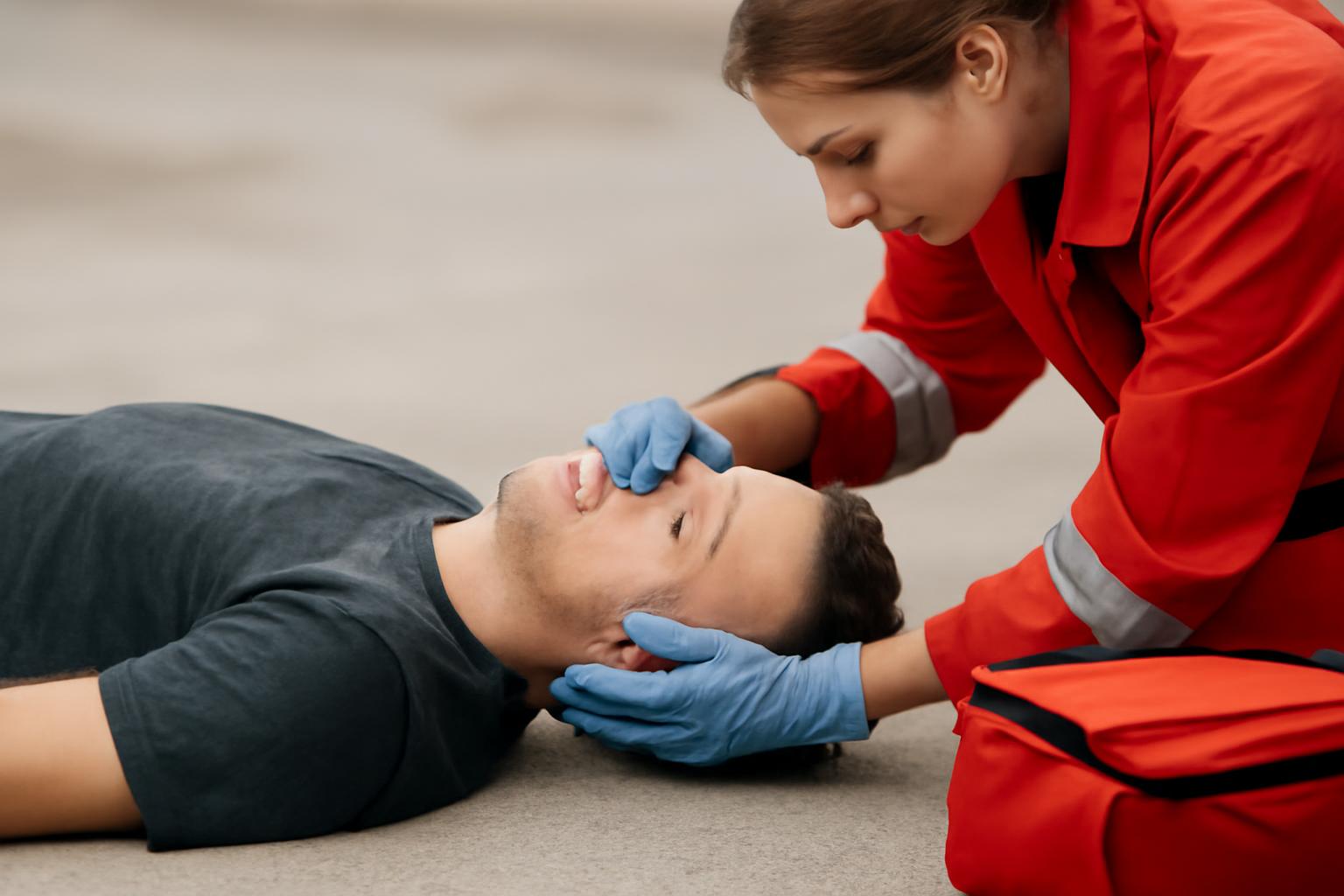
If the person is unconscious but breathing normally, place them on their side in the recovery position, keep the airway clear, and monitor them continuously. This can help reduce the risk of choking if they vomit.
If the person is not breathing normally, begin CPR if you are trained and follow the dispatcher’s instructions. Use an automated external defibrillator if one is available and you know how to operate it. If opioid exposure is also possible and naloxone is available, administer it according to the product instructions. Naloxone does not reverse synthetic cannabinoids, but it may help when opioids are involved in a mixed exposure.
4. Handle seizures safely
Clear nearby objects, cushion the head, and track how long the seizure lasts. Do not put anything in the person’s mouth, hold them down, or give food, water, or medication during the seizure. Afterward, keep them on their side if they are breathing and remain with them until help arrives.
A seizure lasting more than five minutes, repeated seizures, breathing problems, pregnancy, serious injury, or failure to regain consciousness requires immediate emergency care.
5. Do not try home remedies
Do not induce vomiting, force the person to drink water or coffee, place them in a cold shower, or encourage them to walk around. These actions can cause choking, falls, burns, or worsening agitation. Avoid giving additional substances to counteract the reaction.
Information to provide emergency responders
If it is safe, keep the package, wrapper, or remaining material available for responders. Do not touch unknown powders or liquids unnecessarily, and do not transport hazardous substances in your hands or vehicle. Useful details include:
- The product name and appearance
- When exposure may have occurred
- How the product may have entered the body, if known
- Any other substances, medicines, or alcohol involved
- The person’s age, known medical conditions, and prescribed medications
- When symptoms started and whether they are getting better or worse
Honest information is medically important. Emergency clinicians need the best available account to monitor breathing, heart rhythm, temperature, neurological status, and possible poisoning complications.
What treatment may involve
There is no single antidote that reverses every synthetic cannabinoid exposure. Hospital treatment depends on the symptoms and may include monitoring, oxygen, intravenous fluids, medications for seizures or severe agitation, temperature management, heart testing, and evaluation for kidney or other organ complications.
Some symptoms may improve within hours, while others can persist longer. Anxiety, insomnia, confusion, paranoia, or mood changes may continue after the most obvious physical effects have eased. A person should not drive, operate machinery, or remain alone after a severe reaction unless a qualified clinician says it is safe.
Why product labels and legal claims are unreliable safety signals
Terms such as herbal incense, legal high, research chemical, and potpourri describe marketing categories rather than dependable pharmacology. A product being sold online or in a shop does not prove that it is legal everywhere, tested for purity, or safe for human consumption.
Federal and state rules can change, and laws may address particular compounds, chemical classes, analogs, possession, sales, or intended use. A label that says “not for human consumption” does not eliminate the health risk or automatically resolve legal questions. Consumers should consult current official state and federal information for legal guidance rather than relying on product descriptions or social media posts.
For site navigation and related educational coverage, the Insense High post index and category index may help readers locate articles about K2 terminology, synthetic cannabinoid risks, and related topics. These pages should supplement—not replace—medical advice and emergency guidance.
Preventing another emergency
After a suspected overdose, arrange a follow-up with a healthcare professional even if the person appears to recover. Ask about heart symptoms, sleep disruption, anxiety, paranoia, depression, suicidal thoughts, and ongoing substance use. A clinician can recommend appropriate evaluation and confidential support.
Practical prevention steps include:
- Do not use unknown or unlabeled cannabinoid products.
- Do not combine synthetic cannabinoids with alcohol, opioids, stimulants, sedatives, or prescription medicines without medical guidance.
- Keep products away from children, pets, and anyone who may mistake them for ordinary herbs or incense.
- Do not drive or work around machinery after any intoxicating exposure.
- Make a plan for urgent help and ensure someone knows how to call 911.
- Seek confidential support if use is becoming difficult to control or causing health, financial, legal, or relationship problems.
In the United States, people can contact 988 for urgent mental health or suicide-related support. For suspected poisoning, contact Poison Help at 1-800-222-1222. Call 911 for immediate danger, breathing problems, seizures, severe chest pain, or unconsciousness.
Frequently asked questions
Is K2 the same as marijuana?
No. K2 and Spice generally refer to products containing synthetic cannabinoid chemicals, while marijuana contains naturally occurring cannabinoids from the cannabis plant. Their effects, potency, contaminants, risks, and legal treatment can differ substantially.
Can someone overdose on K2 even if they used it before without problems?
Yes. A new package may contain a different chemical or concentration, and uneven distribution can produce inconsistent exposure. A person’s health, medications, and other substances may also change. Previous tolerance or an earlier uneventful experience does not make future use predictable.
Should I let someone sleep off a suspected K2 reaction?
Do not assume sleep is safe if the person is difficult to wake, breathing unusually, vomiting, seizing, or showing other severe symptoms. Call 911, monitor breathing, and place an unconscious but breathing person on their side while waiting for help.
Does naloxone treat a K2 overdose?
Naloxone reverses opioid effects, not synthetic cannabinoid effects. It may still be appropriate when opioid exposure is possible because products can be mixed or misrepresented. Follow emergency dispatcher instructions and seek medical care.
Can a standard drug test identify K2?
Routine drug screens may not detect many synthetic cannabinoids, and specialized testing varies by laboratory and compound. A negative routine test does not prove that no synthetic cannabinoid was used or that a person is medically safe. Clinical symptoms and emergency assessment remain more important during an acute reaction.
Key takeaway
The safest K2 overdose response is prompt emergency action: call 911, describe the symptoms honestly, protect the person from hazards, monitor breathing, and avoid unproven home remedies. Because synthetic cannabinoid products can change without notice, the most reliable safety strategy is prevention, informed medical care, and rapid help when warning signs appear. K2 overdose response safety information