Synthetic Cannabinoid Raids in 2026: What Daviess County Arrests Reveal About K2 Supply and Safety
In November 2026, law enforcement in Daviess County, Kentucky, arrested two people after searching multiple homes tied to a suspected synthetic marijuana operation. The case, reported by local outlets including The Owensboro Times and WNKY, is the latest reminder that illegal synthetic cannabinoid production and distribution have not disappeared. If anything, these operations have become more decentralized, more concealed, and more dangerous.
For anyone trying to understand the K2 and Spice landscape in the United States, raids like this one are more than crime blotter material. They are windows into how synthetic cannabinoid supply chains work, why health officials keep warning about them, and why the gap between legal hemp products and illegal synthetic drugs matters more than ever.
What Happened in Daviess County?
According to the Daviess County Sheriff’s Office, investigators executed searches at multiple homes as part of a suspected synthetic marijuana operation. Two individuals were arrested, and authorities described the case as an active investigation. While specific details about the quantity of product seized or the exact chemical compounds involved have not been fully disclosed, the pattern is familiar: small-scale distribution networks operating out of residential properties, often supplying local users through informal channels.
This is not an isolated event. Across the country in 2026, synthetic cannabinoid enforcement actions continue to surface in local news, from prison contraband cases to retail crackdowns. Each case adds another data point to a broader picture of persistent demand and persistent risk.
Why Synthetic Cannabinoid Operations Keep Emerging
Synthetic cannabinoids are not a single substance. They are a shifting family of laboratory-made chemicals designed to mimic the effects of THC but with far greater potency and unpredictable side effects. Because the formulas change frequently, regulators and law enforcement face a moving target. A compound banned today may be replaced by a structurally similar analog tomorrow.
That adaptability is one reason illegal operations persist. Producers can adjust chemical structures to stay ahead of scheduling laws, and distributors can move product through channels that are difficult to monitor. Residential raids like the one in Daviess County often represent the visible tip of a much larger and more fragmented supply chain.
For a deeper look at how these chemicals are classified and why they are so difficult to regulate, see our guide on what chemicals are in synthetic K2.
What Raids Reveal About the Illegal K2 Supply Chain
When law enforcement searches homes tied to a synthetic marijuana operation, they typically find more than finished product. Investigations often uncover raw chemical powders, solvents, spray equipment, packaging materials, and ledgers or digital records showing distribution networks. This is not a simple retail operation. It is a small-scale manufacturing and distribution system.
The Daviess County case fits a pattern seen in other 2026 enforcement actions: operations that are small enough to hide in residential neighborhoods but connected enough to supply a local customer base. These networks often rely on word-of-mouth, encrypted messaging, and informal shipping to move product while avoiding detection.
Understanding this supply chain matters for public health. The lack of quality control in illegal operations means users have no reliable way to know what compound they are consuming, how potent it is, or what contaminants may be present. That uncertainty is a core part of the danger.
The Health Risks That Make Synthetic Cannabinoids So Dangerous
Synthetic cannabinoids are associated with a long list of serious health risks, including:
- Severe agitation and anxiety, sometimes escalating to panic or psychosis
- Cardiovascular effects such as rapid heart rate, chest pain, and elevated blood pressure
- Seizures and loss of consciousness
- Acute kidney injury and other organ damage
- Respiratory depression in severe cases
- Dependence and withdrawal symptoms with repeated use
Because the chemical content of illegal products varies from batch to batch, even experienced users cannot predict how their body will react. Emergency departments across the country continue to report clusters of severe reactions tied to synthetic cannabinoid use, and public health agencies have issued repeated warnings about the unpredictable nature of these substances.
For a detailed breakdown of symptoms and emergency response, review our article on what K2 is and how to stay safe.
How the 2026 Federal Hemp Changes Fit In
The Daviess County raid comes at a moment of significant regulatory change. In November 2026, federal hemp definitions were tightened to exclude synthetic and artificial cannabinoids, and lawmakers have been debating how to regulate hemp-derived THC products while banning dangerous synthetic compounds. These changes are designed to close loopholes, but they also create confusion.
Consumers may assume that because a product is sold in a shop or online, it is legal and safe. That assumption is not reliable. Legal hemp products and illegal synthetic cannabinoids exist in entirely different regulatory categories, even though marketing language sometimes blurs the line. The enforcement actions in Kentucky and elsewhere show that illegal synthetic operations continue to operate alongside the legal market.
To understand how federal rules are reshaping the landscape, read our analysis of K2 and Spice regulatory developments.
What Consumers Should Understand About K2 and Spice Labels
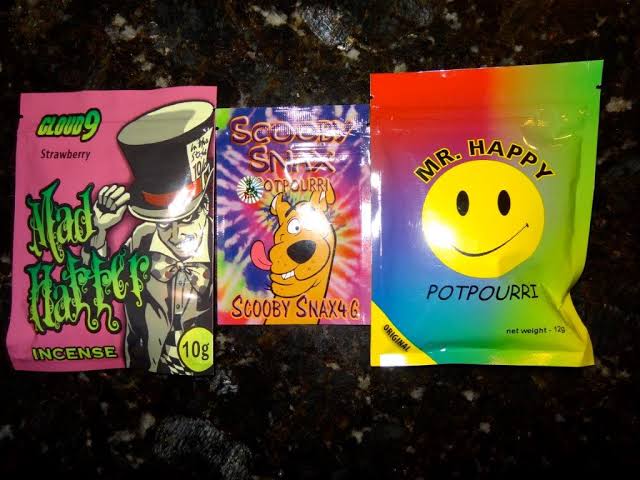
One of the most persistent problems in the synthetic cannabinoid market is misleading labeling. Products sold as “herbal incense,” “potpourri,” or “research chemicals” may contain synthetic cannabinoids that are far more potent than the label suggests. In some cases, the label is intentionally vague to avoid legal scrutiny. In others, the product may be adulterated with compounds that were never intended for human exposure.
This is why health officials and harm-reduction organizations emphasize that there is no safe way to use an unregulated synthetic cannabinoid product. The dose is unknown, the chemical is unknown, and the risk is unpredictable.
For readers interested in how legal herbal incense products are positioned and reviewed, our herbal incense reviews section provides context on product categories and consumer expectations.
What the Daviess County Case Signals for 2026 and Beyond
The arrests in Daviess County are unlikely to be the last of their kind. As long as demand for synthetic cannabinoids persists, illegal operations will continue to emerge, adapt, and evade enforcement. The challenge for communities, regulators, and public health officials is to reduce demand while improving education about the real risks.
For law enforcement, cases like this one highlight the value of local intelligence and multi-agency cooperation. For consumers, they serve as a reminder that the synthetic cannabinoid market is not a safe or regulated space. The products are illegal for good reason, and the health consequences can be severe.
Frequently Asked Questions
What is a synthetic cannabinoid raid?
A synthetic cannabinoid raid is a law enforcement operation targeting the production, distribution, or sale of illegal synthetic cannabinoid products, often sold under names like K2 or Spice. These raids typically involve searches of homes, storage units, or businesses and can result in arrests and seizure of chemicals, equipment, and finished products.
Are synthetic cannabinoids the same as legal hemp products?
No. Synthetic cannabinoids are laboratory-made chemicals designed to mimic THC but are not derived from the cannabis plant. Legal hemp products are derived from hemp and are subject to specific regulatory limits. The two categories are legally and chemically distinct, even though marketing language sometimes causes confusion.
Why are synthetic cannabinoids so dangerous?
They are often far more potent than THC, their chemical composition varies from batch to batch, and illegal production lacks quality control. This leads to unpredictable effects, including severe agitation, seizures, cardiovascular events, and psychosis.
What should I do if I encounter a suspected synthetic cannabinoid product?
Avoid using it. If you believe a product may contain synthetic cannabinoids, do not consume it. If you or someone else experiences severe symptoms after use, seek emergency medical help immediately and inform responders what was taken if possible.
How can communities reduce synthetic cannabinoid risk?
Community risk reduction involves a combination of public education, harm-reduction resources, enforcement against illegal operations, and clear communication about the differences between legal and illegal products. Local public health departments and law enforcement agencies often provide guidance and updates.
Final Thoughts
The Daviess County arrests are a reminder that synthetic cannabinoid operations remain active in the United States, even as federal and state regulations evolve. For consumers, the takeaway is straightforward: illegal synthetic cannabinoids are unpredictable, unregulated, and dangerous. Understanding the supply chain, the health risks, and the regulatory landscape is the first step toward making safer choices.
For more context on K2, Spice, and the evolving legal landscape, explore our herbal incense store and educational resources.