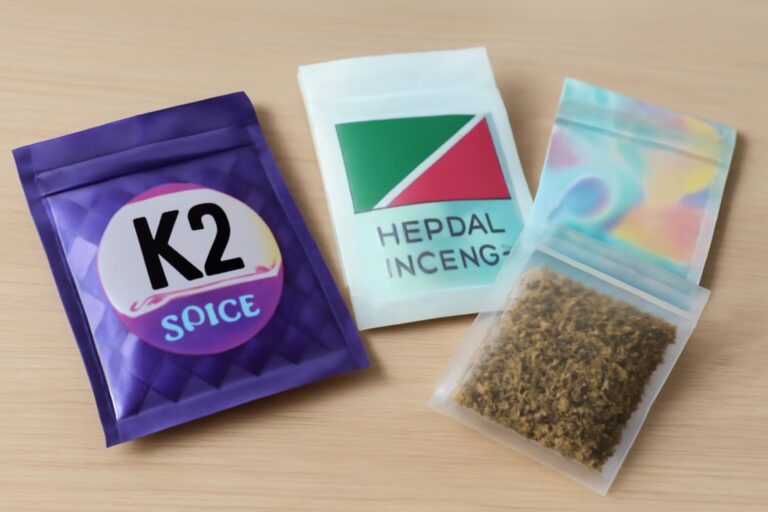
K2 Accidental Exposure: How Unintentional Contact Can Become a Medical Emergency
K2 accidental exposure is a serious safety concern because synthetic cannabinoids can be chemically unpredictable and much more potent than people expect. Contact may occur when someone unknowingly handles a contaminated material, uses a product that is mislabeled, inhales smoke or vapor in an enclosed space, or mistakes a synthetic cannabinoid product for ordinary herbal incense.
The term K2, along with names such as Spice, fake weed, or synthetic cannabis, describes a broad and changing group of laboratory-made chemicals. These substances are not the same as cannabis, and packaging that uses familiar herbal or cannabis-related language does not make a product predictable or safe.
This guide focuses on recognition and harm prevention. It does not provide instructions for making, applying, disguising, or using synthetic cannabinoid products. For broader background, readers can visit the Insense High home page, while remembering that product names and legal claims should never be treated as proof of safety.
What counts as accidental K2 exposure?
Accidental exposure means contact with a synthetic cannabinoid when the person did not knowingly intend to consume it or did not understand what substance was present. The route of exposure may involve the mouth, lungs, eyes, skin, or a combination of these pathways.
Common situations that may lead to exposure
- Mislabeled or deceptively packaged products: A package may describe its contents as incense, potpourri, or a research chemical without clearly identifying the active compound.
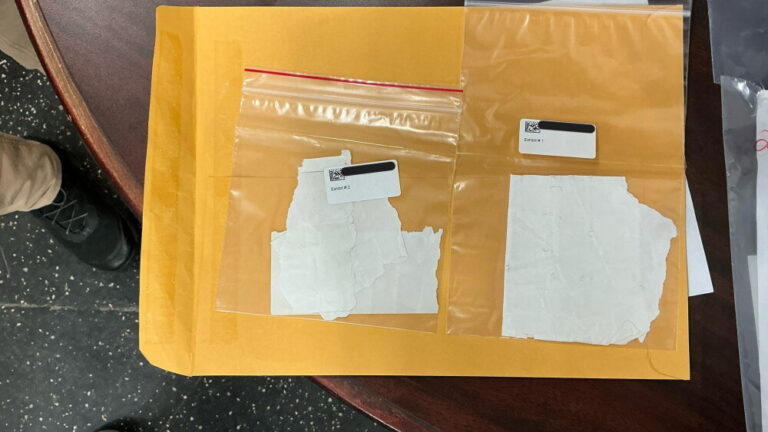
- Unknown materials in shared spaces: Loose plant material, papers, liquids, or residue may be handled by children, visitors, workers, or first responders who do not know what it contains.
- Secondhand smoke or vapor: Enclosed rooms, vehicles, or poorly ventilated areas can allow others to inhale smoke or aerosol from an unknown product.
- Cross-contamination: Residue on hands, surfaces, clothing, or equipment can be transferred to the mouth, eyes, food, or drinks.
- Unregulated or counterfeit products: Online listings and informal sales channels may use familiar names while offering substances that differ substantially from the advertised description.
Exposure risk cannot be judged reliably by color, smell, texture, brand name, or a “not for human consumption” disclaimer. A label may provide legal protection for a seller without giving a consumer useful information about the actual chemicals present.
Why accidental exposure can be difficult to predict
Unlike a single standardized medicine, K2 may refer to many different synthetic cannabinoid compounds. Formulas can change quickly, and two products with similar branding may contain different chemicals or different concentrations. Uneven distribution across plant material, paper, or liquid can also create concentrated spots.
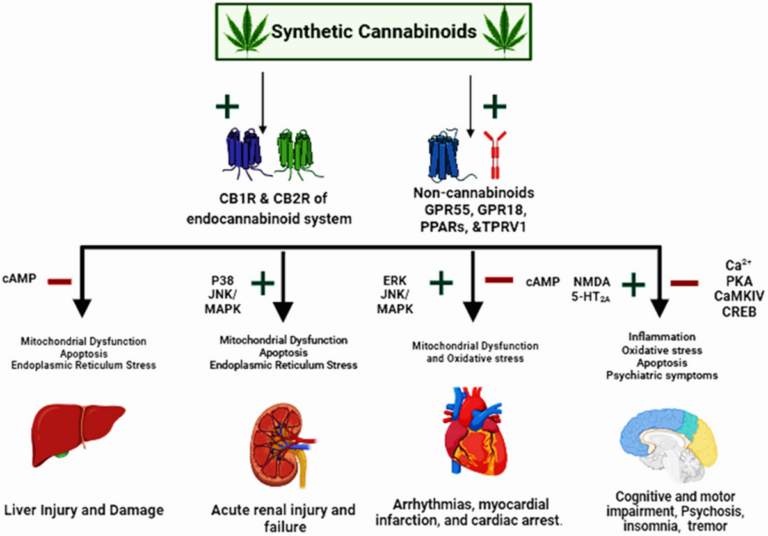
Synthetic cannabinoids can strongly affect cannabinoid receptors in the brain and nervous system. Some products may also contain stimulants, sedatives, solvents, or other contaminants. A person’s response can vary according to the compound, amount, route of exposure, body size, health conditions, medications, and whether alcohol or other drugs are involved. K2 accidental exposure for new users.
This variability is one reason a previous uneventful experience does not predict a future outcome. It also explains why an exposure that appears minor at first can become more serious over time.
Symptoms of possible K2 accidental exposure
Symptoms may begin quickly or develop after a delay. They can range from mild irritation to life-threatening changes in breathing, consciousness, heart rhythm, or behavior. No single symptom confirms K2 exposure, but an unusual combination of symptoms after contact with an unknown product should be treated seriously.
Possible early symptoms
- Headache, dizziness, or unusual drowsiness
- Nausea, vomiting, or abdominal discomfort
- Agitation, anxiety, panic, or confusion
- Rapid heartbeat, sweating, or tremors
- Red or irritated eyes
- Coughing, throat irritation, or shortness of breath
- Loss of coordination or difficulty speaking normally
Emergency warning signs
Call 911 immediately if the person has trouble breathing, collapses, experiences a seizure, cannot be awakened, develops severe chest pain, shows signs of a stroke, or becomes dangerously agitated or violent. Blue, gray, or pale lips; irregular breathing; severe overheating; and sudden loss of consciousness are also emergencies.
Severe confusion, hallucinations, extreme paranoia, or uncharacteristic aggression can place the exposed person and others at risk. Do not attempt to restrain someone unless there is an immediate threat and you can do so without creating additional danger. Move bystanders away, reduce noise and bright lights, and wait for trained responders.
What to do after suspected exposure
1. Stop the exposure
Move the person away from smoke, vapor, liquid, powder, or contaminated material. If exposure occurred indoors, increase ventilation only if it can be done safely. Avoid touching unknown residue with bare hands.
2. Check breathing and responsiveness
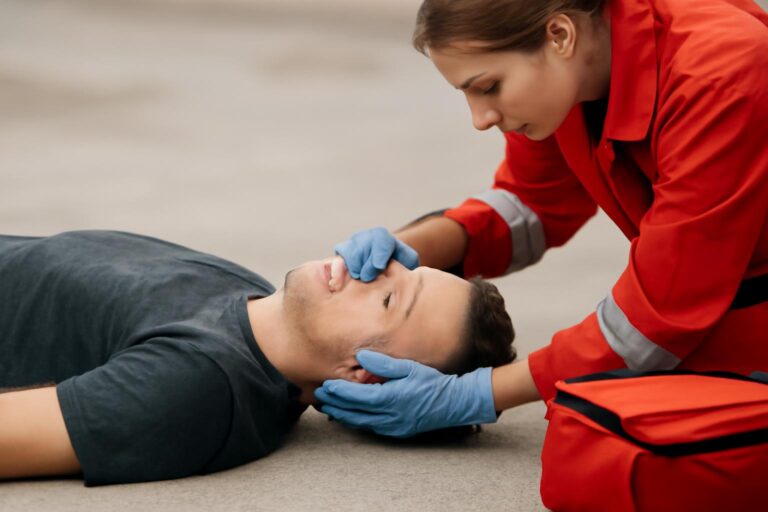
Assess whether the person is awake and breathing normally. If they are unresponsive and not breathing normally, call 911 and follow the dispatcher’s instructions. If they are unconscious but breathing, place them on their side when possible to help protect the airway, unless doing so could worsen an injury.
3. Contact professional help
For a suspected poisoning or chemical exposure in the United States, contact Poison Control at 1-800-222-1222. The service can provide guidance based on the route of exposure, symptoms, age, and product information. Call 911 first when emergency symptoms are present.
4. Preserve useful information
If it is safe, keep the original package, container, receipt, photograph, or remaining material for medical professionals. Do not bring loose powders, liquids, soaked paper, or plant material into an ambulance or hospital unless responders specifically instruct you to do so. Tell clinicians exactly what is known, including possible co-exposures to alcohol, prescription medicines, or other drugs.
5. Avoid unsafe home remedies
Do not induce vomiting unless a medical professional specifically tells you to do so. Do not give food, drinks, stimulants, or other substances to an unconscious, confused, or vomiting person. Do not force the person to walk around, take a cold shower, or “sleep it off” without monitoring.
Route-specific first-aid considerations
Skin contact
Remove contaminated clothing and place it in a sealed bag away from people and pets. Rinse exposed skin with plenty of running water. Avoid scrubbing aggressively or applying solvents, alcohol, oils, or household chemicals. Seek medical advice if symptoms develop or if the substance is unknown.
Eye contact
Rinse the eye gently with clean, lukewarm water for at least 15 minutes. Remove contact lenses if they come out easily during rinsing. Do not use eye drops or attempt to neutralize the substance. Urgent medical evaluation is appropriate for persistent pain, redness, blurred vision, or light sensitivity.
Inhalation
Move to fresh air if doing so is safe. Keep the person calm and seated or positioned comfortably while monitoring breathing. Shortness of breath, wheezing, chest pain, confusion, or unusual sleepiness requires immediate medical attention.
Swallowing
Do not induce vomiting. Call Poison Control or emergency services for instructions, especially when the identity or amount of the material is unknown. Keep the container available for responders, but do not handle it unnecessarily.
How workplaces, homes, and retailers can reduce risk
Prevention begins with treating unknown herbal incense, liquids, papers, and research chemicals as potentially hazardous materials. A disclaimer stating that a product is not for human consumption does not eliminate the need for careful storage or handling.
- Store unknown or regulated materials in their original, closed containers away from food, medicine, children, and pets.
- Do not transfer substances into drink bottles, food containers, cosmetic jars, or unlabeled bags.
- Wash hands after handling any unknown product and before eating, drinking, smoking, or touching the face.
- Do not share smoking accessories, papers, vapes, or containers when the contents are uncertain.
- Use gloves and appropriate workplace procedures when handling spills or unidentified residues.
- Keep a written inventory and safety information for materials used in a commercial setting.
- Dispose of unknown chemicals according to local hazardous-waste guidance rather than pouring them into drains or placing loose material in ordinary trash.
Retailers and wholesalers should also avoid unsupported claims such as “safe,” “natural,” “legal everywhere,” or “same as cannabis.” Laws differ by state and can change, but legal status is not a toxicology report. Product categories and site indexes may help organize information, yet consumers should evaluate the actual ingredients, testing practices, and regulatory status rather than relying on marketing language. The site’s product index and category index are navigational resources, not substitutes for medical or legal advice.
What to know about testing and diagnosis
Routine drug screens may not detect many synthetic cannabinoids. A negative standard test therefore does not rule out exposure. Diagnosis is often based on the person’s symptoms, timeline, physical examination, and information about the suspected material.
Specialized laboratory testing may be available in some situations, but results are not always immediate and may not identify every newly introduced compound. Medical treatment generally focuses on stabilizing breathing and circulation, controlling seizures or severe agitation, managing temperature, and monitoring heart, kidney, and nervous-system function.
People should be honest with healthcare professionals about suspected K2 or Spice exposure. Accurate information can guide safer treatment and does not require the patient to know the exact chemical name.
Frequently asked questions
Can touching K2 cause an overdose?
Casual brief contact with intact packaging is not the same as swallowing or inhaling a concentrated substance, but unknown residue should still be handled carefully. Risk depends on the chemical, concentration, route, duration of contact, and whether residue reaches the mouth, eyes, or lungs. Wash exposed skin and seek guidance if symptoms appear.
Can someone be affected by K2 smoke in a room?
Smoke or aerosol in an enclosed space can irritate the lungs and may expose bystanders to active chemicals. Move to fresh air and monitor for breathing problems, confusion, severe anxiety, chest pain, or loss of consciousness. Emergency symptoms require 911.
How long do symptoms last?
There is no dependable timeline because products and compounds vary. Some effects may resolve within hours, while severe symptoms can persist or recur. A person who appears better should still receive medical advice after significant or uncertain exposure.
Does a “herbal” label mean a product is safe?
No. “Herbal,” “incense,” and “potpourri” describe marketing or intended use, not the toxicology of a product. Plant material may be treated with synthetic chemicals, and labels may be incomplete or inaccurate.
Should I wait for laboratory confirmation before getting help?
No. Treatment decisions should be based on symptoms and the exposure history. Do not delay emergency care while trying to identify a chemical or verify a label.
The key takeaway
K2 accidental exposure is difficult to assess because synthetic cannabinoid products can contain changing compounds, uneven concentrations, and undisclosed contaminants. The safest response is to stop contact, move to fresh air when appropriate, monitor breathing and consciousness, contact Poison Control for guidance, and call 911 for emergency symptoms.
Approach unknown herbal incense, liquid products, infused papers, and research chemicals as potentially hazardous materials. Product names, packaging, online reviews, and legal-high claims cannot establish what is present or how the body will respond. Careful storage, clear labeling, protective handling, and prompt professional advice are the most reliable ways to reduce harm. K2 accidental exposure.