Why Standard Drug Tests Often Miss K2: A Practical Guide to Synthetic Cannabinoid Testing
A synthetic cannabinoids drug test is not the same as a standard marijuana test. Many people assume that K2 or Spice will automatically appear on a routine drug screen because these products are sometimes marketed as synthetic weed. In reality, most synthetic cannabinoids are structurally different from natural THC, and that difference can allow them to go undetected by common screening panels.
That does not make K2 safe, predictable, or undetectable in every circumstance. Specialized laboratories can test for selected synthetic cannabinoid metabolites, but the process is more complicated than testing for THC. The substance used, the laboratory method, the timing of the sample, and the specific metabolites targeted all matter.
This guide explains what a K2 drug test can reveal, why routine testing may miss it, and how to interpret results responsibly. It is educational information not advice on avoiding detection or using synthetic cannabinoids.
What Are K2 and Spice?
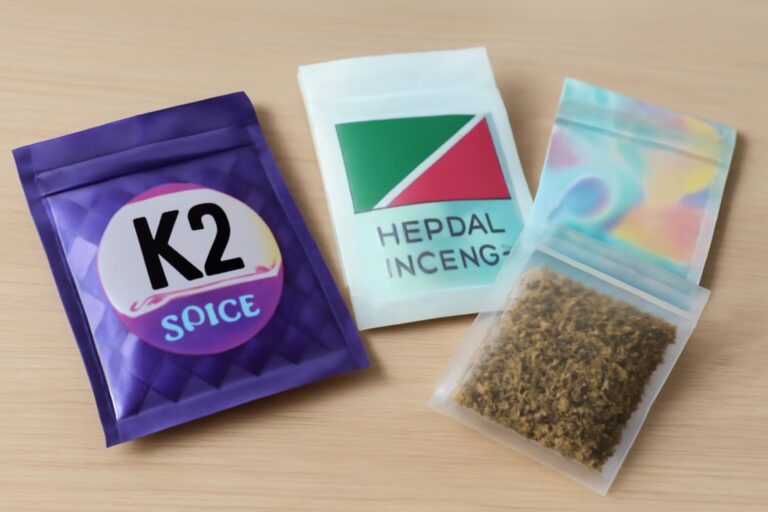
K2 and Spice are common street names for products containing laboratory-made chemicals that interact with cannabinoid receptors in the brain and body. The names do not identify one consistent formula. Instead, they may refer to many different compounds sold under changing brand names, colorful packaging, or misleading labels such as “herbal incense” and “not for human consumption.”
Unlike cannabis, which contains naturally occurring cannabinoids such as THC and CBD, synthetic cannabinoid products may contain powerful receptor agonists. Some can activate cannabinoid receptors more intensely than THC. Products may also contain multiple chemicals, unevenly distributed material, contaminants, or compounds that are not listed on the package.
The changing chemistry is one of the central challenges in both medical care and drug testing. A test designed for one compound or metabolite may not identify a newer or chemically different substance. Synthetic Cannabinoids Drug Test!
Why a Standard Marijuana Test May Miss K2
Most routine employment, probation, school, and clinical drug screens use immunoassay panels. A typical marijuana screen looks for THC-related metabolites, especially a urine metabolite commonly associated with cannabis exposure. Synthetic cannabinoids generally do not break down into that same metabolite.
As a result, a person may have used K2 and still receive a negative result on a routine panel that only tests for cannabis, cocaine, opioids, amphetamines, and similar categories. The result means the substances included in that particular panel were not detected above the laboratory’s cutoff. It does not prove that no psychoactive drug was used.
This distinction is important because “negative” does not always mean “drug-free.” It means negative for the analytes the laboratory actually included and measured. If synthetic cannabinoids were not part of the test menu, the test was not designed to answer that question.
Can K2 show up on a drug test?
Yes, K2 can show up on a drug test when the test is specifically designed to identify synthetic cannabinoid compounds or their metabolites. However, K2 may not appear on a standard THC panel. Detection depends on the laboratory’s target list and whether the relevant metabolite remains in the specimen at a measurable level.
There is no single universal “K2 test” that detects every synthetic cannabinoid ever made. A specialized panel may cover a group of known compounds, but new formulas can emerge faster than laboratories can validate new testing targets.
How Specialized Synthetic Cannabinoid Testing Works
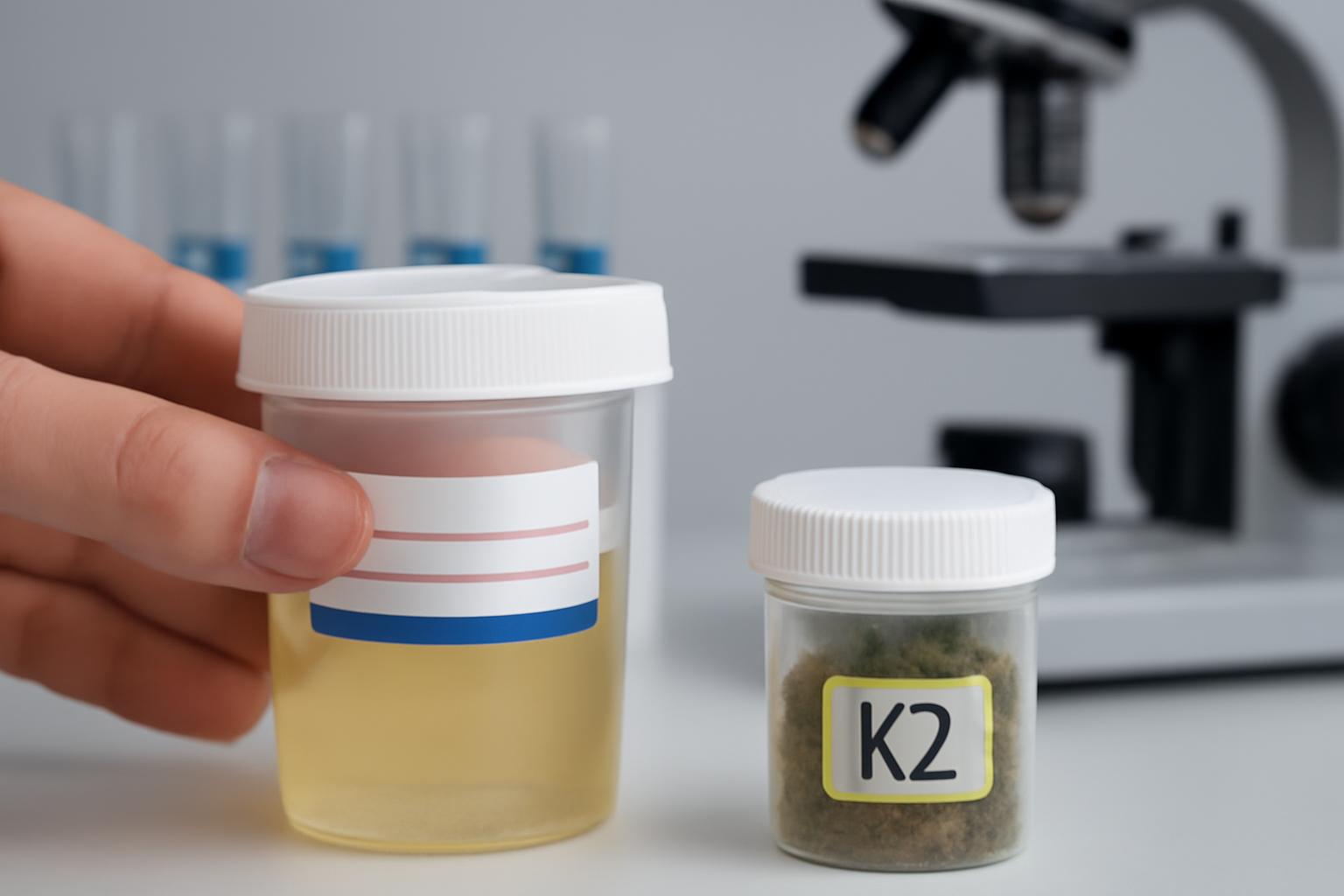
Specialized testing generally involves two stages. The first is a screening process that looks for chemical signals associated with a group of synthetic cannabinoid metabolites. If the screen is positive or requires clarification, the laboratory may use a more specific confirmation method.
Screening tests
Screening methods are designed to process many specimens efficiently. They may use antibodies or other chemical recognition systems aimed at metabolite families. Because synthetic cannabinoids vary so widely, a screening test may have limited coverage. A negative screen can occur if the substance used is outside the assay’s target range.
Confirmatory testing
Confirmation typically relies on advanced analytical techniques that separate and identify compounds based on their chemical properties. These methods can be much more specific than an initial screen and may identify individual metabolites or closely related compounds.
Confirmation is especially important when a result could affect employment, legal supervision, medical treatment, housing, or other serious decisions. A qualified testing provider should be able to explain whether a reported result is a preliminary screen or a confirmed finding. Synthetic Cannabinoids Drug Test
What Does a K2 Test Detect?
Most tests do not look for the original synthetic cannabinoid alone. The body often changes a drug into metabolites that can remain in urine, blood, oral fluid, or hair. Laboratories may target those breakdown products rather than the parent compound.
Urine testing is commonly used because metabolites may remain detectable longer in urine than in blood. Blood testing is more closely associated with recent exposure but often has a shorter detection window. Oral-fluid testing may provide information about relatively recent exposure, while hair testing has different limitations and may not be suitable for every synthetic cannabinoid.
A test result can be influenced by:
- The exact chemical or mixture involved
- How quickly the body metabolizes that compound
- The sensitivity and cutoff of the laboratory method
- The type and condition of the specimen
- The time between exposure and sample collection
- Whether the laboratory’s panel includes the relevant metabolite
- Potential degradation, dilution, or specimen-handling problems
Because formulas change frequently, a test that detects one group of compounds may not detect another product sold under the same street name. The label “K2” is not a chemical diagnosis.
How Long Can Synthetic Cannabinoids Be Detected?
There is no dependable universal answer for how long synthetic cannabinoids stay in the system. Detection time varies by compound, dose, frequency of exposure, metabolism, organ function, hydration, test type, and laboratory sensitivity.
Some compounds may be cleared relatively quickly, while repeated exposure or certain chemical structures may produce metabolites that remain measurable for longer. A person should not rely on a general online estimate to predict an individual test result. Detection windows are ranges, not guarantees.
Attempts to manipulate a specimen through excessive fluid intake, adulterants, substitution, or other methods can create invalid or suspicious results and may carry health or legal consequences. The safest approach is to provide accurate medical information to healthcare professionals and follow the testing organization’s procedures. Synthetic Cannabinoids Drug Test
Why K2 Testing Is More Difficult Than THC Testing
Natural cannabis testing benefits from a relatively established target: THC metabolites. Synthetic cannabinoid testing must account for a moving chemical landscape. Manufacturers or illicit producers may alter a molecule slightly, creating a new compound that behaves differently in the body and is not recognized by an older test.
In addition, some synthetic cannabinoids are highly potent, so the amount taken may be small even when the physiological effects are severe. A small exposure can still produce dangerous symptoms, while the amount available for laboratory detection may be limited.
Uneven distribution is another problem. Products sold as soaked paper, plant material, liquids, or other forms may not contain the same concentration throughout the material. Packaging can also be inaccurate or incomplete. For that reason, appearance, price, brand name, and packaging cannot reliably predict either health risk or testability.
Consumer-facing information on this topic should be approached cautiously. Even product pages that use terms such as “herbal,” “legal,” or “not for human consumption” do not establish that a chemical product is safe. The Insense High home page reflects the importance of reading labeling carefully and recognizing that marketing language is not a toxicology report.
What a Negative Result Does and Does Not Mean
A negative standard drug test means that the substances included in that test were not detected above the applicable cutoff. It does not necessarily rule out:
- Exposure to a synthetic cannabinoid outside the panel
- Exposure that occurred outside the test’s detection window
- Use of a newer compound not covered by the assay
- A low concentration below the reporting threshold
- Problems with specimen timing or test selection
Likewise, a positive result should be interpreted in context. A qualified laboratory or medical professional can explain the analyte detected, the method used, and whether confirmation was performed. People should be cautious about treating an informal home test or an unexplained screening result as definitive.
Health Symptoms Matter More Than a Test Result
Drug testing cannot determine whether a person is medically safe. Synthetic cannabinoids have been associated with agitation, confusion, panic, hallucinations, vomiting, rapid heart rate, high blood pressure, seizures, loss of consciousness, kidney problems, and other serious effects. Symptoms may vary widely between batches and individuals.
Seek emergency help immediately if someone who may have used K2 has trouble breathing, collapses, has a seizure, becomes severely confused or violent, develops chest pain, cannot be awakened, or experiences extreme overheating. Do not leave the person alone, do not induce vomiting, and do not assume that a negative marijuana test rules out poisoning.
When contacting emergency services or a poison information service, provide the package or product name if available, the approximate time of exposure, the route of exposure, and any known medical conditions. Do not delay emergency care while trying to identify the exact chemical.
Questions to Ask About a Synthetic Cannabinoid Drug Test
If testing is required for medical, employment, or legal reasons, useful questions include:
- Does the panel specifically include synthetic cannabinoid metabolites?
- Which compounds or metabolite families are covered?
- Is the reported result a screen or a confirmed result?
- What specimen type was collected?
- What cutoff and laboratory method were used?
- Can the result be reviewed by a medical review officer or qualified toxicologist?
Testing policies vary by organization and jurisdiction. A healthcare provider, laboratory representative, medical review officer, or attorney familiar with the situation can explain the process more accurately than a generic detection-time chart.
Frequently Asked Questions
Does K2 show up as marijuana?
Usually not. Most marijuana tests target THC metabolites, while K2 contains synthetic cannabinoids with different chemical structures. A specialized test may be needed.
Can synthetic cannabinoids be detected in urine?
Yes. Urine testing can detect selected synthetic cannabinoid metabolites when the laboratory’s panel includes the relevant targets and the concentration is above the reporting cutoff.
Is there one test that detects all Spice products?
No. K2 and Spice are broad street terms, not one chemical. Different products may contain different compounds, and no panel can be assumed to detect every synthetic cannabinoid.
Does a negative test prove that K2 was not used?
No. It may mean the wrong panel was used, the compound was outside the assay’s coverage, the sample was collected outside the detection window, or the concentration was below the cutoff.
Can product labels predict whether K2 will show up?
No. Labels, brand names, prices, and packaging are unreliable indicators of chemical contents or laboratory detectability. Only validated testing can identify specific analytes.
The Bottom Line
A synthetic cannabinoids drug test is more specialized than a routine marijuana screen. K2 may not appear on a standard panel because it does not produce the same metabolites as natural THC. Specialized laboratories can identify selected synthetic cannabinoid metabolites, but changing formulas and incomplete labeling make detection technically challenging.
The most important takeaway is that a negative standard test does not make K2 safe, legal, or harmless. If exposure is suspected and symptoms are present, treat the situation as a potential poisoning emergency rather than waiting for a test result. For broader educational context about product terminology and safety concerns, readers can also review the site’s general information hub and its labeling and product information pages, while remembering that no commercial description replaces advice from a qualified healthcare professional or laboratory.