What You Need to Know About K2 (Spice)
What is k2 spice
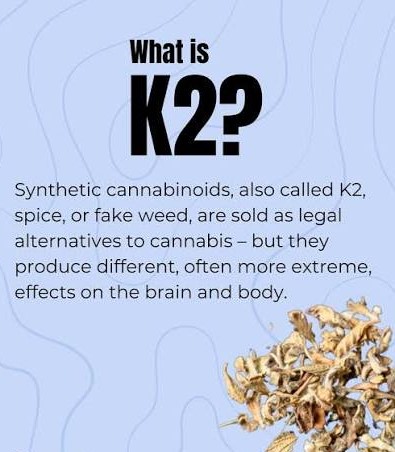
What You Need to Know About K2 (Spice)! K2, commonly known as Spice, refers to a wide range of synthetic cannabinoid mixtures designed to mimic the high of natural cannabis. While frequently marketed as a safe or legal alternative to marijuana, K2 contains lab-created compounds that are often significantly more dangerous and unpredictable than natural THC. These chemicals are sprayed onto dried plant material to be smoked or processed into liquids for use in e-cigarettes.
Chemicals in K2
Unlike natural marijuana, which contains organic compounds like delta-9-THC and CBD, K2 is composed of synthetic cannabinoid receptor agonists (SCRAs).
- Common Compound Families: Early formulations utilized chemicals such as JWH-018, JWH-073, and HU-210. As health regulators banned specific compounds, illicit laboratories developed newer structural families (such as AB-PINACA, ADB-BUTINACA, and XLR-11).
- Full Agonists: Natural THC acts as a partial agonist at the brain’s CB1 receptors. Many synthetic cannabinoids in K2 act as full agonists, binding far more strongly to brain receptors and producing significantly more extreme physiological and psychiatric responses.
- Lack of Standardization: Batches are often mixed inconsistently in unregulated labs, leading to “hot spots” where a single dose contains dangerous concentrations of the active chemical or contaminants like heavy metals and toxic solvents.
For an in-depth breakdown of how synthetic compounds differ from natural cannabis chemistry, explore our guide on understanding substance potency and risk factors.
How Do People Use Spice?
K2/Spice is consumed in several primary ways depending on its form:
- Smoking: Sprayed herbal material is rolled into joints, smoked in pipes, or used in water pipes (bongs).
- Vaping: Liquid extracts containing synthetic cannabinoids are vaped using electronic cigarettes or specialized vape pens.
- Ingestion: Herbal mixtures or liquid concentrations are sometimes brewed into teas or baked into edibles, though oral consumption is less common due to delayed and unpredictable onset.
Why Do People Use K2?
Despite the high risk of adverse reactions, individuals use K2 for several recurring reasons:
- Drug Test Evasion: Standard employment and probation drug screens traditionally search for natural THC metabolites. Many users consume K2 to achieve a high without triggering positive results on standard panel tests.
- Perceived Legality and Access: Historically sold in gas stations, head shops, and online under names like “herbal incense” or “potpourri,” K2 gained a reputation as an accessible, legal alternative to marijuana.
- Affordability: Synthetic compounds are cheap to produce bulk, making K2 less expensive in certain markets compared to regulated cannabis products.
- Seeking Stronger Intoxication: Due to its full-agonist action at CB1 receptors, some users seek out K2 for intense, rapid-onset psychotropic effects.
If you or someone you know is seeking healthier alternatives or support for substance use, visit our resources on addiction recovery and wellness support.
Effects of K2
Because the chemical makeup of K2 varies dramatically from batch to batch, the resulting effects are erratic and unpredictable.
Mental Effects
- Acute anxiety, severe paranoia, and panic attacks
- Hallucinations, delusions, and altered sensory perception
- Dissociation, confusion, and memory impairment
- Extreme agitation, psychosis, and toxic delirium
Physical Effects
- Rapid heart rate (tachycardia) and elevated blood pressure (hypertension)
- Nausea, severe vomiting, and abdominal pain
- Tremors, muscle spasms, and seizures
- Excessive sweating, chest pain, and shortness of breath
Behavioral Effects
- Unprovoked aggression or violent outbursts
- Erratic, compulsive, or uncharacteristic behavior
- Social withdrawal and neglect of personal responsibilities
- Inability to communicate effectively during acute intoxication
Risks and Dangers of Spice
The health risks associated with K2 far exceed those of natural cannabis. Severe intoxication can lead to acute medical emergencies:
- Cardiovascular Complications: Severe heart palpitations, dangerous blood pressure spikes, myocardial infarction (heart attack), and cardiac arrest.
- Renal and Neurological Damage: Acute kidney injury caused by specific synthetic compounds (such as XLR-11) or dehydration, as well as prolonged seizure activity leading to brain injury.
- Overdose and Fatality: Because synthetic cannabinoids are exceptionally potent, minor variations in dosage can lead to life-threatening toxicity, coma, or respiratory failure.
Detailed clinical research on synthetic cannabinoid health outcomes is available directly through the National Institute on Drug Abuse (NIDA) and public health updates from the Centers for Disease Control and Prevention (CDC).
Is K2 Illegal?
Yes. In the United States, the federal government categorized many early synthetic cannabinoid compounds as Schedule I controlled substances under the Synthetic Drug Abuse Prevention Act of 2012. To prevent chemists from altering single molecules to bypass existing laws, federal and state regulators established broad structural bans covering entire chemical families. International bodies, including the World Health Organization (WHO), also monitor and recommend international controls on emergent synthetic cannabinoids.
Is K2 Addictive?
Yes. Regular use of K2 can rapidly lead to tolerance, psychological dependence, and physical addiction. Because synthetic cannabinoids bind strongly to cannabinoid receptors, brain chemistry adapts quickly to frequent exposure.
Withdrawal Symptoms
Stopping K2 after regular use often triggers severe withdrawal symptoms, including:
- Intense cravings for the drug
- Severe insomnia and night sweats
- Extreme irritability, agitation, and mood swings
- Depressed mood and heightened anxiety
- Persistent nausea, tremors, and headaches
For guidance on managing withdrawal and exploring treatment paths, read our section on evidence-based addiction treatment strategies.
Frequently Asked Questions (FAQs)
How long does K2 stay in your system?
Synthetic cannabinoids can be detected in body fluids, but standard 5-panel drug tests do not routinely look for them. Specialized laboratory panels (such as LC-MS/MS) can detect specific K2 metabolites in urine for 1 to 3 days after single use, or up to a week or more for chronic users.
Can you overdose on K2/Spice?
Yes. Overdosing on K2 is a frequent cause of emergency room visits. Symptoms of a K2 overdose include severe psychosis, extreme high blood pressure, seizures, loss of consciousness, rapid heart rate, and acute kidney failure.
Is K2 safer than natural marijuana?
No. K2 is significantly more dangerous than natural marijuana. Because it contains synthetic full agonists rather than natural partial agonists, it carries severe risks of cardiac arrest, toxicity, seizures, and organ failure that natural cannabis does not present.
Why is K2 marketed as “Not for Human Consumption”?
Manufacturers print disclaimers like “Not for Human Consumption,” “Herbal Incense,” or “Potpourri” on packaging strictly to evade consumer protection laws and drug enforcement regulations.
What should I do if someone has a bad reaction to K2?
Call emergency services (like 911 in the U.S.) immediately. Keep the person in a calm, safe environment, monitor their breathing, and turn them onto their side if they are unconscious or vomiting to prevent choking.