Federal Hemp Regulation Proposals and K2: What Consumers Should Know About Synthetic Cannabinoid Safety
Hemp Regulation Proposals and K2 Safety! Recent federal cannabis and hemp policy headlines are prompting a familiar question: could new hemp rules change the availability or legal treatment of K2 and other synthetic cannabinoids?
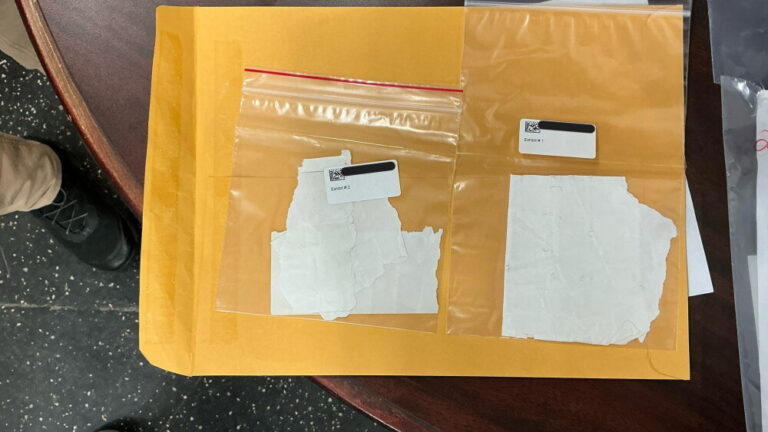
The short answer is that hemp regulation and K2 regulation are related policy conversations, but they are not the same issue. Hemp-derived cannabinoids come from the cannabis plant and may be regulated under federal and state hemp frameworks. K2, Spice, and other synthetic cannabinoid drugs are laboratory-made compounds that can be sprayed onto plant material, paper, or other carriers. Their chemistry, risks, and legal treatment can differ substantially.
That distinction matters as lawmakers discuss a possible federal hemp regulatory framework. Consumers, retailers, and families need to understand what policy proposals may address, what they cannot guarantee, and why a product described as a legal high should never automatically be considered safe. Hemp Regulation Proposals and K2 Safety
This guide explains the relationship between hemp policy and synthetic cannabinoid safety without providing instructions for making, spraying, modifying, or consuming K2 products.
Why hemp policy headlines are being linked to K2
The hemp market has expanded to include CBD products, intoxicating hemp-derived cannabinoids, gummies, vape products, beverages, and other formulations. At the same time, regulators have raised concerns about products that are poorly labeled, sold without age controls, or formulated with compounds that have not been adequately evaluated for human use.
K2 creates a separate challenge. The term is commonly used for a changing group of synthetic cannabinoids, not one consistent ingredient. Manufacturers and illicit distributors may alter the chemical formula, rename products, or sell material under misleading labels. Two packages with similar branding can contain entirely different substances.
Because both categories may be marketed with terms such as “herbal,” “natural,” “potpourri,” or “not for human consumption,” consumers can mistakenly assume that a hemp product and a synthetic cannabinoid product are interchangeable. They are not.
For broader background, readers can review the educational material available through the Insense High home page, while remembering that product names and online descriptions do not replace independent laboratory testing or medical advice.
What a federal hemp framework could address
Policy proposals differ, and a bill or news report should not be treated as proof that a new nationwide rule has already taken effect. Depending on the language under consideration, a federal framework could address several areas.
Definitions and cannabinoid limits
Federal lawmakers may revisit how hemp is defined, how total THC is calculated, and whether certain intoxicating hemp-derived compounds should be included in a regulated category. These definitions can affect manufacturing, transportation, retail sales, and state enforcement.
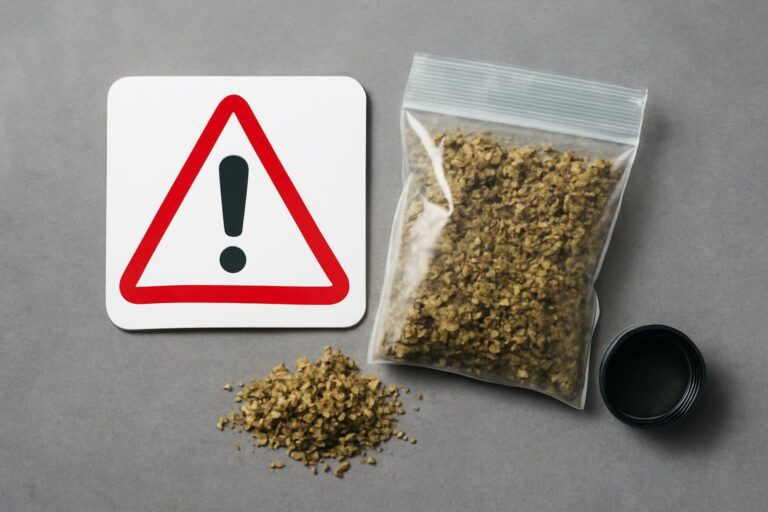
However, changing the definition of hemp would not transform a synthetic cannabinoid into a safe hemp product. A laboratory-made compound sprayed onto dried plant material remains a synthetic cannabinoid regardless of packaging language or marketing terminology.
Testing and contaminant controls
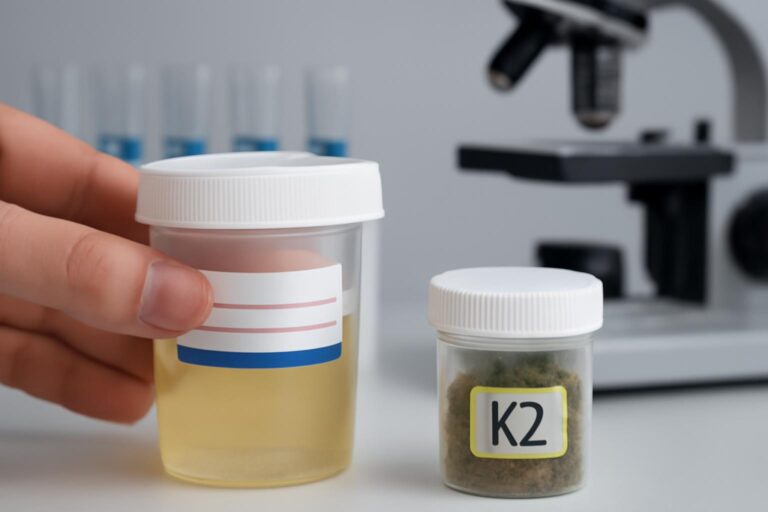
Testing requirements could become more detailed, including rules for cannabinoid identity, potency, residual solvents, pesticides, heavy metals, microbial contamination, and unexpected synthetic compounds. Stronger testing can help identify mislabeled or contaminated products, but testing is only useful when laboratories use validated methods and regulators enforce the results.
A basic certificate of analysis may not screen for every emerging synthetic cannabinoid. Consumers should be cautious of documents that show only a cannabinoid percentage while omitting batch numbers, laboratory accreditation, testing dates, and contaminant panels.
Labeling and packaging
Potential rules may require clearer ingredient lists, serving information, health warnings, age restrictions, or child-resistant packaging. These measures can reduce accidental exposure, especially among children and pets.
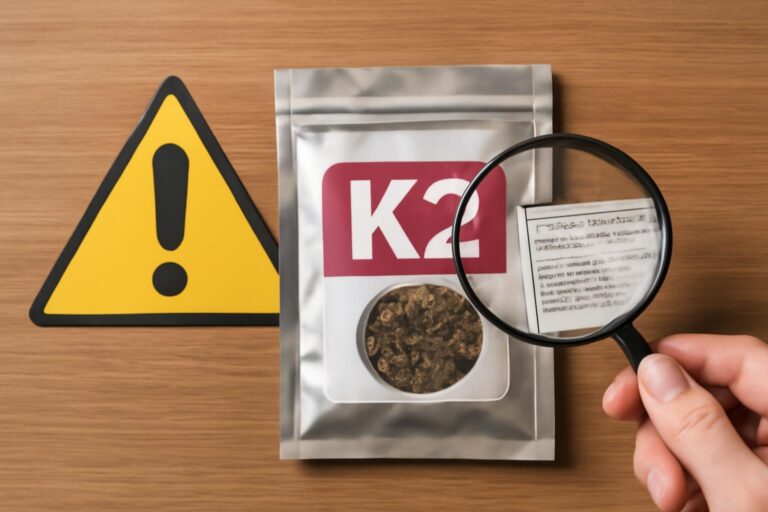
Still, a label is not proof of accuracy. K2 products have historically been sold under brand names that suggest a predictable blend even when the actual contents vary. A label saying “herbal incense,” “research chemical,” or “not for human consumption” does not establish that a product is lawful, tested, or safe to inhale.
Age controls and retail oversight
Federal and state proposals may also focus on age verification, online sales, advertising, payment processing, and shipping practices. These controls are particularly relevant when products are sold through websites or social media accounts that provide little information about the business or its testing procedures.
Retailers should monitor both federal developments and the laws of every state where products are sold or shipped. A product may be permitted under one state framework and restricted or prohibited in another.
How K2 differs from hemp-derived cannabinoids
The word “cannabinoid” describes a broad chemical category, not a guarantee of safety or origin. Some cannabinoids occur naturally in cannabis. Others are modified or created in laboratories. Their effects depend on molecular structure, potency, dose, route of exposure, metabolism, and individual health factors.
Hemp-derived CBD is generally associated with non-intoxicating use, although products can be mislabeled or contaminated. Hemp-derived THC and newer compounds may produce intoxication and may be subject to rapidly changing laws. Synthetic cannabinoids such as compounds sold as K2 or Spice can act strongly on cannabinoid receptors and may produce unpredictable effects.
Reported synthetic cannabinoid effects include severe anxiety, agitation, confusion, hallucinations, vomiting, rapid heart rate, seizures, loss of consciousness, kidney injury, and dangerous behavior. Some exposures have required emergency treatment. The risk is increased by unknown concentration, uneven application, changing formulas, and combinations with alcohol, prescription medicines, or other drugs.
For that reason, comparing K2 with CBD e-liquid, legal cannabis, kratom, or another herbal extract based only on marketing language is unreliable. Similar packaging or a shared reference to “natural” ingredients does not mean the products have similar pharmacology. Hemp Regulation Proposals and K2 Safety.
Why changing product names do not solve the K2 problem
Synthetic cannabinoid markets often change faster than public information. When one compound becomes restricted, another may appear with a new name or slightly altered structure. This pattern is one reason law enforcement, poison centers, hospitals, and laboratories face continuing identification challenges.
Common warning signs include:
- Vague claims such as “euphoric herbs,” “legal smoke,” or “research use only” without a complete ingredient list.
- Packaging that emphasizes a strain-style name but provides no verifiable chemical identity.
- Laboratory reports that do not match the batch number or omit testing for synthetic cannabinoids.
- Promises of extreme potency, instant effects, or a safer alternative to cannabis.
- Instructions or marketing that encourage applying liquids or powders to paper, plant material, or other surfaces.
- Products sold through anonymous accounts with no responsible-business information or recall process.
None of these signs proves that a product contains K2, but each supports a cautious decision to avoid exposure and seek more information from a qualified professional.
What consumers should watch as policy develops
Do not confuse a proposal with current law
News coverage may describe a bipartisan bill, a regulatory framework, or a congressional deadline. Until a measure passes the required legislative and administrative steps, its provisions may change or may never take effect. Even after federal action, state rules can remain stricter.
Consumers should check the effective date, the exact statutory language, and their state’s current rules before relying on a headline. Retailers should obtain legal advice rather than treating a social media summary as a compliance decision.
Look beyond the front label
When evaluating any cannabinoid product, consider whether the package identifies the manufacturer, batch, ingredients, potency, testing laboratory, and expiration or production date. Missing information is a meaningful safety concern.
Independent testing should be specific to the product and batch. A generic report, a screenshot, or a laboratory logo without verifiable documentation does not demonstrate that the contents are accurately represented.
Keep products away from vulnerable people
Unidentified cannabinoid products should be stored securely away from children, pets, and anyone who might mistake them for ordinary herbs, candy, tea, or nicotine products. Do not transfer liquids or powders into unlabeled containers.
If someone may have been exposed to K2 or an unknown cannabinoid, contact emergency services for severe symptoms such as seizure, difficulty breathing, chest pain, extreme agitation, collapse, or unresponsiveness. For non-emergency questions in the United States, contact Poison Control at 1-800-222-1222. Do not induce vomiting or attempt to counteract the exposure with another substance.
How retailers and headshops can prepare responsibly
Retailers selling herbal incense, smoking accessories, rolling papers, CBD products, or other headshop products should separate educational content from claims that encourage risky use. A disclaimer such as “not for human consumption” is not a substitute for lawful sourcing, accurate labeling, age controls, and documented quality procedures.
Businesses should maintain supplier records, verify certificates of analysis, review recalls, train staff to recognize suspicious packaging, and avoid selling products with unknown ingredients. They should also monitor shipping restrictions. A carrier accepting a parcel does not mean that the contents are legal to ship into every destination.
Retailers can use the site’s product catalog index and category index as navigation resources, but any product decision should be based on current law, complete documentation, and a clear understanding of intended use. Product listings alone cannot establish safety or legality.
Frequently asked questions
Could new hemp rules make K2 legal?
Not automatically. Hemp regulations generally address cannabis-derived materials and defined cannabinoid products. K2 refers to synthetic cannabinoid compounds, which may be controlled under federal or state drug laws. The legal status depends on the specific chemical, jurisdiction, product form, and applicable rule.
Is synthetic cannabis the same as hemp-derived THC?
No. Hemp-derived THC comes from the cannabis plant, while synthetic cannabinoids are laboratory-made compounds designed to interact with cannabinoid receptors. Their effects, risks, testing requirements, and legal treatment can be different.
Can a certificate of analysis prove that a K2 product is safe?
No. A certificate may provide useful information about a tested sample, but it does not guarantee safety, accurate labeling, consistent dosing, or safe use. It is especially limited when the laboratory did not test for the specific synthetic cannabinoids that may be present.
Why do K2 products keep changing names?
Names can change because sellers use branding to attract buyers, evade detection, or distinguish a new formulation. A new name does not mean a new product is safer. The underlying chemical identity and independent testing are more important than the brand name.
Where can I find updates about products and policy?
Use official federal and state agency announcements, verified recall notices, poison-control information, and qualified legal or medical professionals. Online product pages and social media posts may be outdated or promotional. Readers can also browse the site’s post archive index for related educational topics, while verifying time-sensitive information independently.
The practical takeaway
Federal hemp regulation proposals may improve definitions, testing, labeling, and retail oversight, but they will not eliminate the risks associated with synthetic cannabinoids. K2 and Spice are not made safer by attractive packaging, herbal terminology, a “legal high” claim, or a changing product name.
The most reliable approach is to distinguish plant-derived hemp products from laboratory-made synthetic cannabinoids, verify current law, question unsupported claims, and avoid products with unknown ingredients. If exposure occurs, treat it as a potential poisoning emergency rather than assuming the product is mild because it was sold as incense or a research chemical. Hemp Regulation Proposals and K2 Safety