Emerging Synthetic Cannabinoids: Why K2 Effects Can Change From Batch to Batch
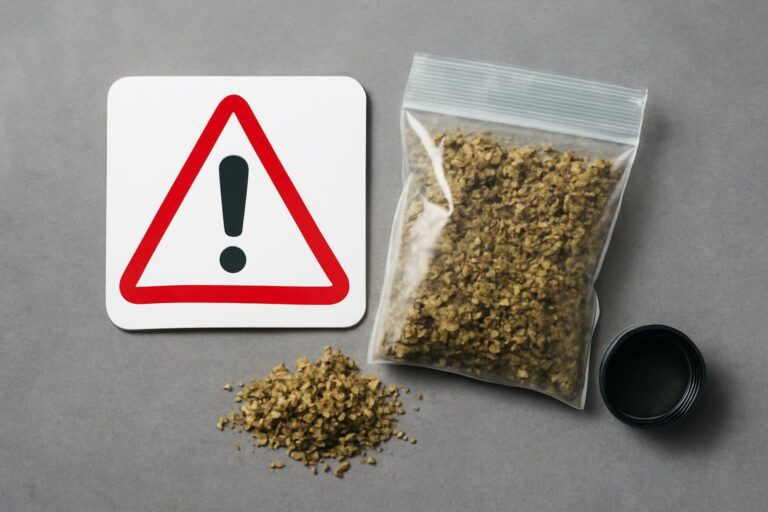
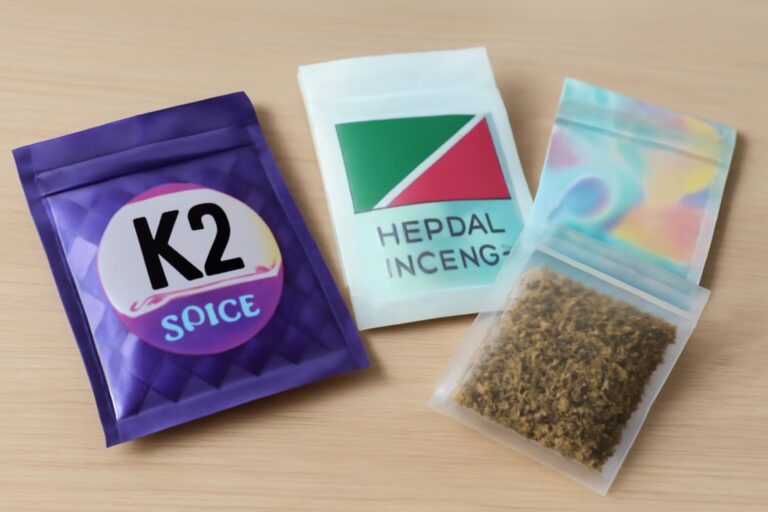
emerging synthetic cannabinoid health risks! Synthetic cannabinoid products sold as K2, Spice, fake weed, or herbal incense are not predictable cannabis alternatives. They may contain different chemicals from one package to another, and labels often cannot confirm what is actually present. This article is for education and risk awareness, not instructions for making, buying, or using synthetic cannabinoids.
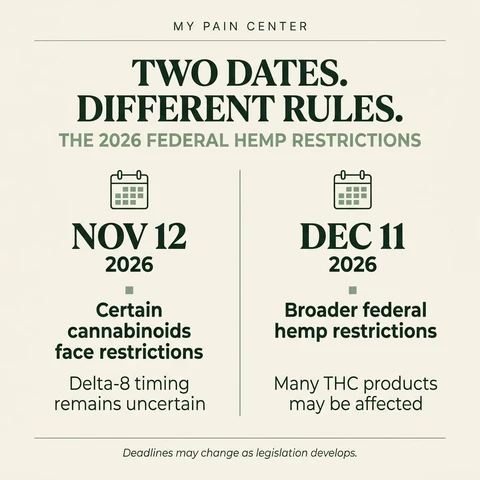
Recent U.S. reporting and public-health discussions continue to focus on changing cannabis rules, new chemical compounds, and unusual poisoning patterns. Those subjects can create confusion: a product described as a “legal high” or “research chemical” may still contain a powerful synthetic cannabinoid, an undeclared substance, or a mixture that is illegal in a particular state. The central safety issue is not simply whether a product has a familiar brand name. It is whether anyone can reliably identify its contents and strength.
For consumers, families, retailers, and community organizations, understanding emerging synthetic cannabinoid health risks is more useful than relying on product names, packaging, or online claims. The same label may be associated with very different effects over time, while products with different names may contain closely related compounds.
What makes emerging synthetic cannabinoids difficult to assess?
Synthetic cannabinoids are laboratory-made chemicals that interact with cannabinoid receptors in the brain and body. Some were initially developed for scientific research, but illicit manufacturers have repeatedly modified their structures to create new compounds. The result is a moving target for toxicologists, laboratories, regulators, and emergency clinicians.
Unlike regulated pharmaceutical products, illicit or misrepresented products may not undergo consistent manufacturing controls. A plant material, paper, liquid, or resin-like substance can be treated with an uneven solution, contaminated during production, or sold under a misleading name. The visible appearance and advertised flavor do not reveal the active chemical, concentration, or distribution. emerging synthetic cannabinoid health risks and be safe.
One name does not guarantee one formula
Terms such as K2, Spice, herbal incense, potpourri, and legal high are often used as broad marketing labels rather than precise chemical descriptions. A package can contain a completely different compound than an earlier package with the same branding. Even products from the same batch may not be evenly mixed.
This variability explains why one person may report agitation or rapid heart rate while another experiences sedation, confusion, seizures, or unconsciousness. It also explains why personal experience is a poor guide to safety. A previous reaction does not reliably predict the next one.
How K2 effects can change from batch to batch
The effects of synthetic cannabinoids depend on several factors: the compound or compounds present, receptor potency, concentration, route of exposure, other ingredients, a person’s health, and interactions with alcohol, prescription medicine, or other drugs. With an unregulated product, most of these factors are unknown.
- Different active chemicals: Newer compounds may act more strongly or last longer than substances associated with older K2 products.
- Uneven distribution: If a liquid or chemical mixture is not blended consistently, small portions may contain substantially different amounts.
- Contamination: Solvents, metals, microbes, pharmaceutical ingredients, or other chemicals may be present.
- Polydrug exposure: Alcohol, stimulants, sedatives, opioids, and some medications can intensify confusion, breathing problems, or cardiovascular stress.
- Individual sensitivity: Heart disease, seizure disorders, pregnancy, mental-health conditions, and some medications can increase risk.
These variables make simple claims such as “mild,” “strong,” “natural,” or “safe when used sparingly” unreliable. A product’s packaging, customer review, or advertised cannabinoid terminology cannot substitute for verified laboratory testing—and even a single test may not represent every package sold.
Common short-term effects and serious warning signs
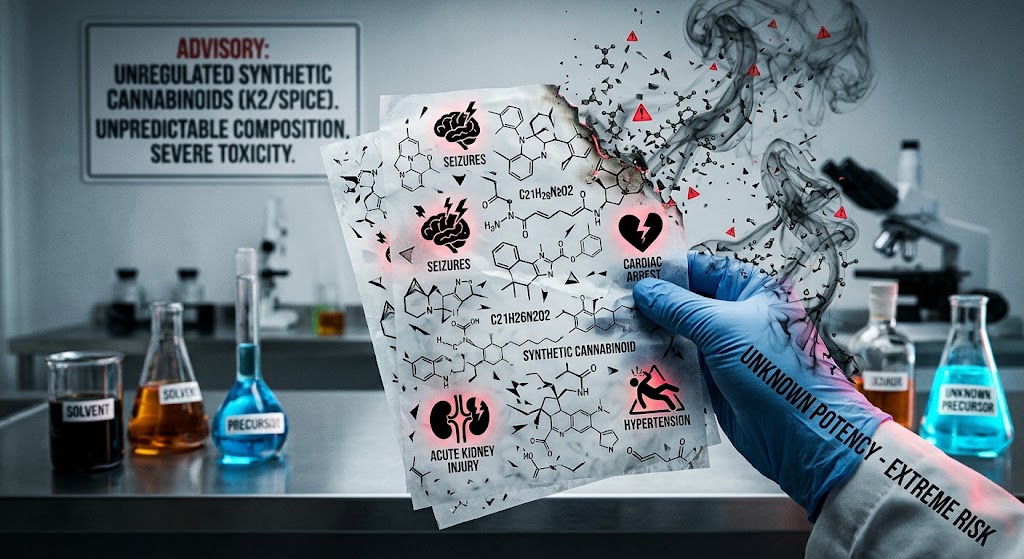
Reported short-term effects range from dizziness, drowsiness, dry mouth, nausea, and impaired coordination to anxiety, panic, paranoia, hallucinations, severe agitation, and disorientation. Some people become unusually sleepy, while others become restless or aggressive. Rapid changes in behavior can occur quickly.
More serious reactions may involve the cardiovascular, neurological, respiratory, or kidney systems. Seek emergency help immediately for any of the following:
- Chest pain, severe palpitations, fainting, or collapse
- Difficulty breathing, slow or irregular breathing, or blue or gray lips
- A seizure, repeated convulsions, or loss of consciousness
- Extreme agitation, dangerous confusion, or hallucinations
- Very high body temperature, rigid muscles, or uncontrolled shaking
- Repeated vomiting, severe abdominal pain, or signs of dehydration
- Sudden weakness, inability to speak normally, or loss of coordination
- Very little urine, dark urine, or severe muscle pain after a suspected exposure
Do not assume that someone is “sleeping it off.” Unresponsiveness, abnormal breathing, or a seizure is an emergency. Call 911, provide the location, and tell responders what may have been taken if that information is available. In the United States, Poison Control can also be reached at 1-800-222-1222 for immediate guidance.
Why early medical evaluation matters
Emergency clinicians may need to monitor heart rhythm, blood pressure, oxygen levels, body temperature, kidney function, blood sugar, and neurological status. Treatment is generally based on symptoms because routine toxicology screens may not identify newer synthetic cannabinoids.
People should not delay care because they are unsure of the product name or worried about legal consequences. Honest information about timing, packaging, suspected ingredients, co-use of alcohol or medicines, and observed symptoms can help clinicians make safer decisions. If possible, keep the package away from children and pets, but do not handle or smell an unknown powder or liquid unnecessarily. emerging synthetic cannabinoid health risks and know what to you are buying.
For additional educational coverage, readers can browse the site’s K2 and synthetic cannabinoid articles. Educational material should complement—not replace—professional medical advice or emergency services.
Why product labels and online claims are not enough
Words such as “not for human consumption,” “laboratory use,” or “incense” may be used to avoid describing intended effects, but they do not make a product harmless. A disclaimer also does not verify the identity or purity of the contents. Similarly, claims that a product is “legal in all 50 states” are especially unreliable because federal rules, state controlled-substance laws, analogue provisions, local ordinances, and enforcement policies can differ.
Marketing may also use familiar cannabinoid language to make an unknown substance appear more understandable. A synthetic cannabinoid is not the same thing as hemp, CBD, regulated cannabis, or a naturally occurring cannabinoid. Similar abbreviations or product descriptions do not establish equivalent pharmacology or risk.
Consumers who are researching a product category should start with neutral questions: Is the chemical identity independently verified? Is the testing recent and batch-specific? Does the report identify contaminants and concentration? Is there a transparent manufacturer and traceable supply chain? If those answers are unavailable, uncertainty itself is a significant risk factor.
Practical harm-reduction steps
The safest choice is to avoid unknown synthetic cannabinoid products. For someone who may use despite the risks, several steps can reduce the chance of a delayed or isolated emergency, although no strategy makes an unregulated product safe:
- Do not use alone, and make sure a trusted person can call emergency services.
- Do not combine an unknown cannabinoid product with alcohol, opioids, stimulants, sedatives, or prescription medicines unless a clinician has confirmed that combination is safe.
- Never drive, swim, climb, operate machinery, or care for children while impaired.
- Keep products away from children, pets, food, beverages, and people who did not knowingly agree to exposure.
- Do not attempt to dilute, spray, infuse, heat, or chemically alter an unknown product.
- Use gloves when handling a leaking or unidentified package, avoid contact with eyes and skin, and follow local hazardous-material guidance for disposal.
- After any concerning reaction, contact a healthcare professional even if symptoms improve.
Retailers and organizations can also reduce risk by refusing to make unverified health or legality claims, maintaining clear age restrictions where applicable, securing products from accidental access, and directing customers to medical or poison-control help when an exposure is suspected. Product information should never encourage experimentation with unknown chemicals.
What changing drug trends mean for public health
When a new synthetic cannabinoid appears, laboratories may need time to identify it, develop a reference standard, and create a method for detecting it. During that period, hospitals may see serious cases before the substance is widely recognized. Public-health alerts can therefore lag behind the market.
This delay is one reason trend reports should be interpreted carefully. A rise in emergency calls does not necessarily mean every product in a category contains the same compound, and a lack of reported cases does not prove safety. Underreporting, limited testing, geographic differences, and changing product availability all affect the picture.
Readers looking for broader site navigation can review the K2 category index and the main educational and product-information page. When evaluating any claim, prioritize current guidance from poison centers, healthcare professionals, and government public-health agencies over anonymous reviews or promotional posts.
Frequently asked questions
Are newer synthetic cannabinoids safer because they are newly developed?
No. Newness means there may be less toxicology data, less clinical experience, and fewer reliable testing methods. A compound that has not yet been studied extensively should be treated as unknown—not as safer.
Can a person identify K2 by smell, color, or appearance?
No. Appearance, scent, texture, and packaging cannot reliably identify a synthetic cannabinoid or show how concentrated it is. Laboratory analysis is required to establish chemical identity, and one sample may not represent an entire supply.
Will a standard drug test detect synthetic cannabinoids?
Many routine screening panels do not detect newer synthetic cannabinoids. Specialized testing may be required, and a negative routine test does not prove that no drug exposure occurred. Medical evaluation should be based on symptoms and history rather than a single screening result.
What should I do if someone may have taken K2?
Stay with the person, move hazards away, and monitor breathing and responsiveness. Call 911 for severe symptoms, unconsciousness, seizures, breathing problems, chest pain, or dangerous behavior. For non-emergency advice in the United States, contact Poison Control at 1-800-222-1222. Do not induce vomiting or give food, drinks, or other substances to an unconscious person.
Does a “legal high” label mean the product is legal or safe?
No. The term is marketing language, not a safety certification or universal legal classification. Synthetic cannabinoid laws can change, and a product may violate federal, state, or local law even when sold under an incense or research-chemical label.
The most reliable takeaway
Emerging synthetic cannabinoids are difficult to assess because the name on a package may reveal little about its chemistry, potency, or contaminants. Batch variability, rapidly changing compounds, and limited routine testing create risks that cannot be solved by choosing a different flavor, brand, or online seller.
Recognizing severe symptoms, avoiding combinations, seeking prompt medical help, and treating unverified product claims with skepticism are the most practical safety measures. When uncertainty is high, the safest decision is not to expose yourself or anyone else to the product.